
Last updated November 25, 2026
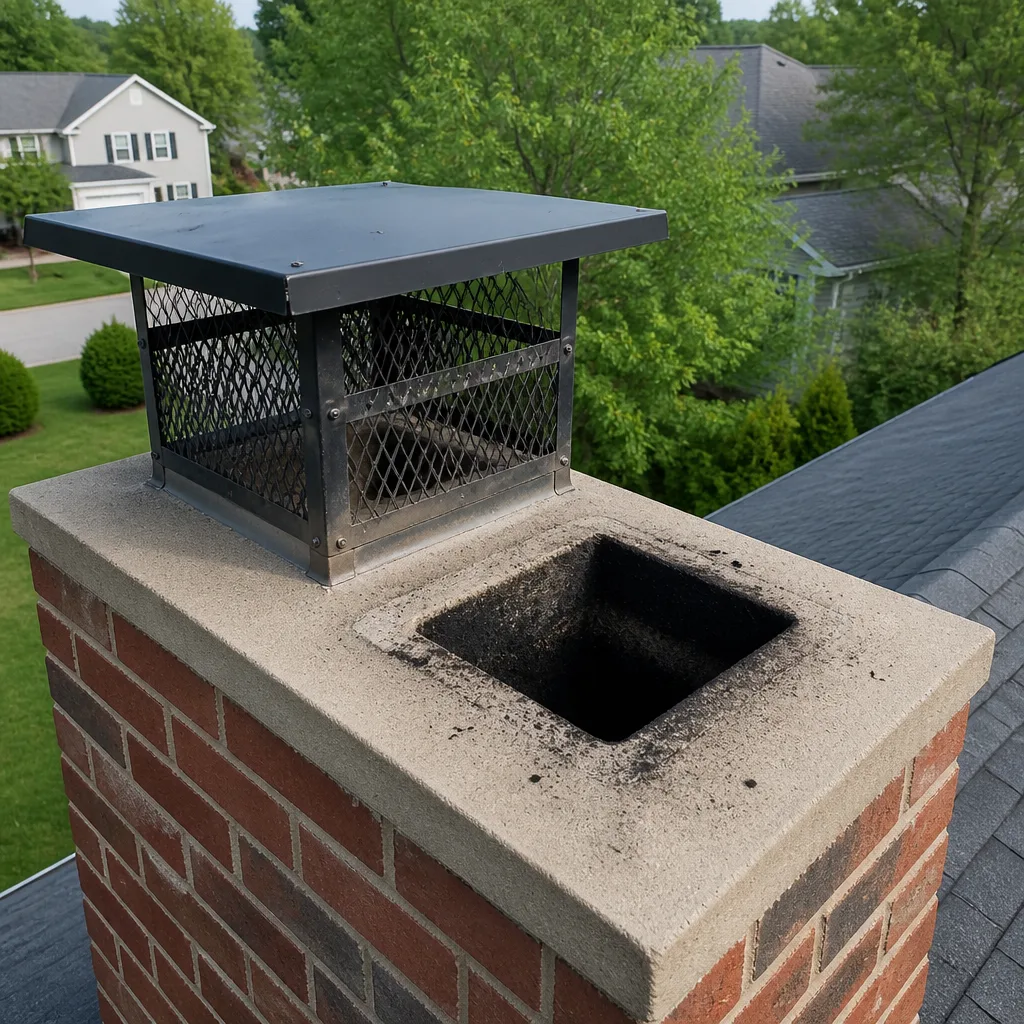 Sweep & inspection
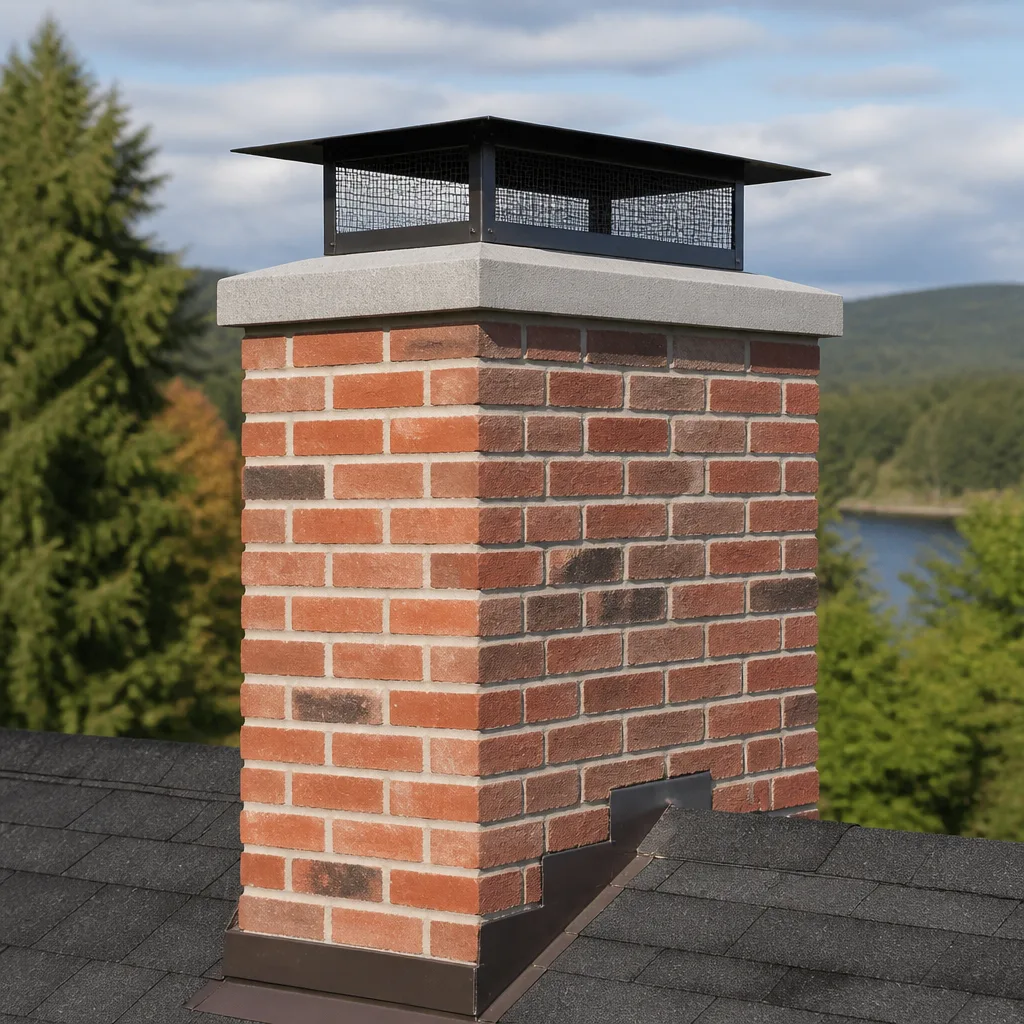 Caps & crowns
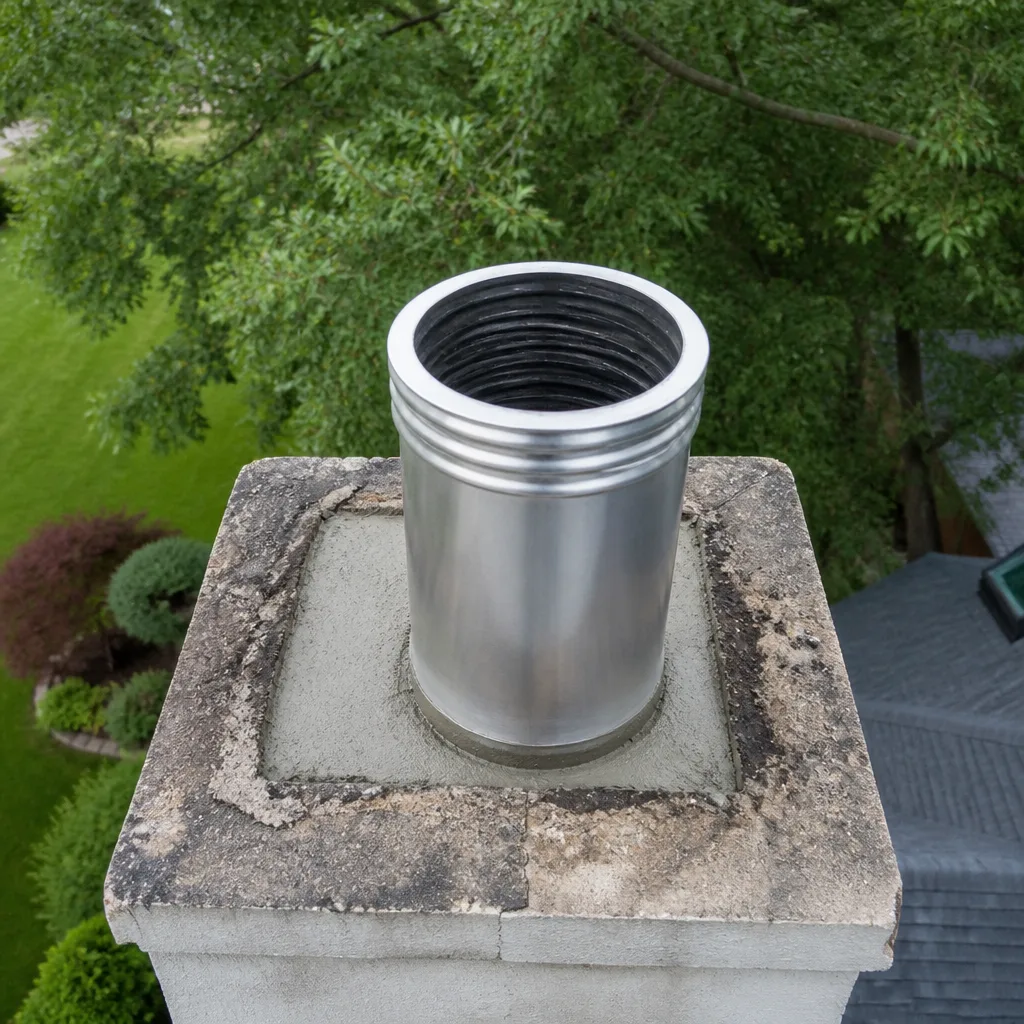 Flue relining
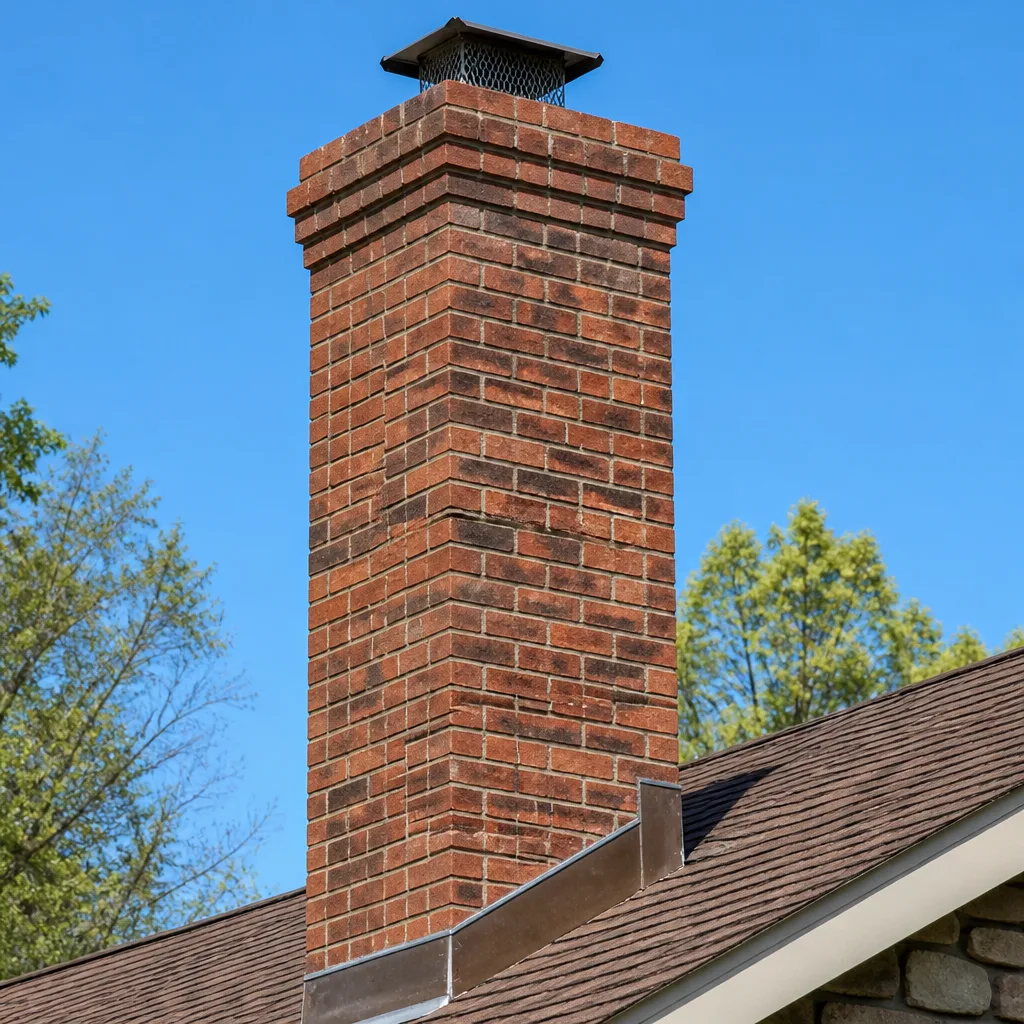 Masonry repair
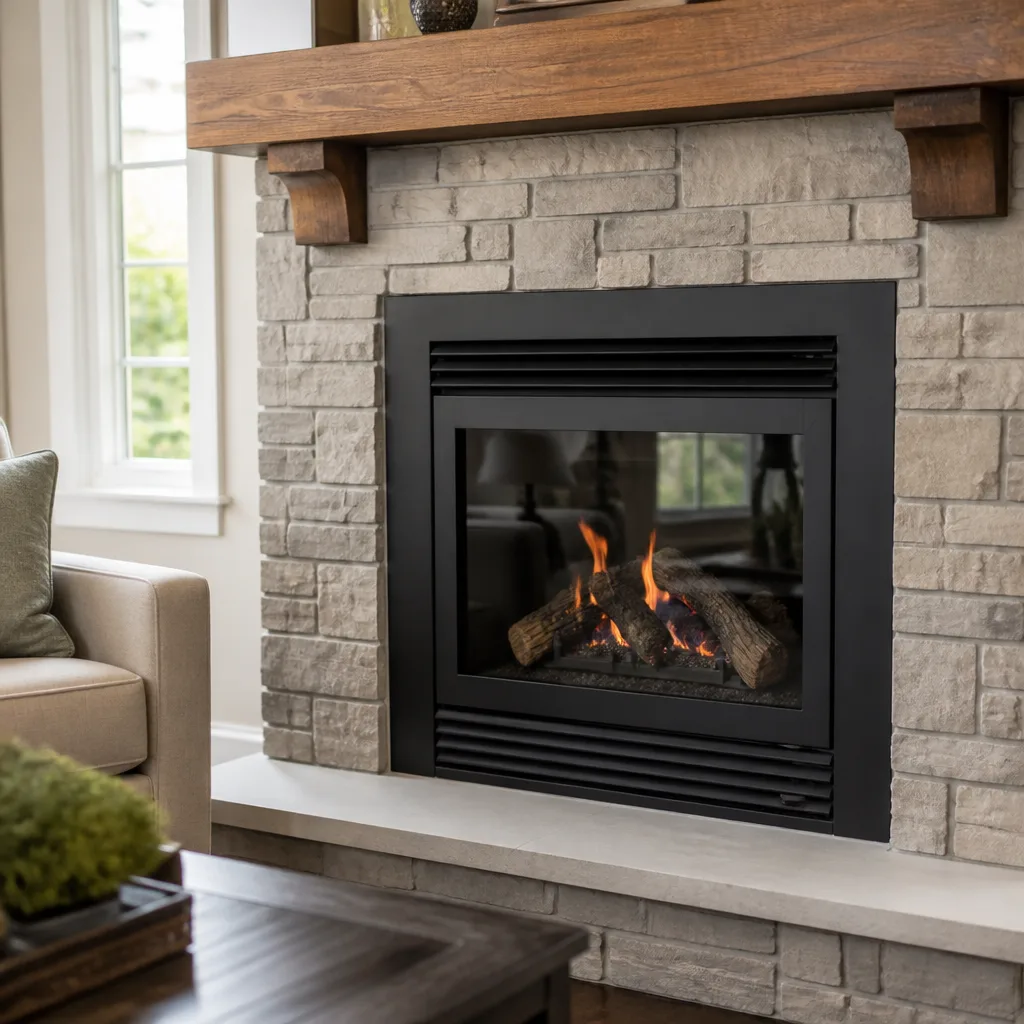 Gas fireplace service
Level 1 sweep and inspection to the NFPA 211 annual standard - flue, crown, cap, and flashing checked and photographed
Chimney sweep logs do not sweep chimneys. They loosen some creosote - which then falls where a brush and vacuum still have to collect it.
Chimney Cleaning Warning Signs: A Marysville Homeowner’s Reference Guide
That white stain creeping across your chimney’s exterior brick isn’t something to scrub off and forget. It’s efflorescence, and it’s your masonry telling you water is moving through the mortar joints. Every freeze-thaw cycle in Marysville pushes that moisture deeper, and the damage compounds quietly. The same misdirection applies to most chimney warning signs. Smoke rolling into the room, a rust stain on the firebox floor, a smell in July with no fire burning – each one points at a symptom, not the failing component. This guide maps the symptom to its actual source, gives you the diagnostic step that confirms it, and tells you when it can safely wait and when it can’t.
Quick Answer
The most reliable chimney cleaning warning signs in Marysville are: a creosote smell in the house during summer with no fire burning (liner condition), white staining or flaking brick on the exterior (water intrusion through mortar), rust staining on the firebox floor (chronic condensation, often from an oversized liner), a displaced or tilted cap after a windstorm, and smoke rolling out of the firebox instead of up the flue. Any one of these warrants a professional inspection before the next burning season, because the visible sign is usually downstream of the real problem. If you see two or more together, book the visit sooner.
Styles & brands we work with
- Sweep & inspection
- Caps & crowns
- Flue relining
- Masonry repair
- Gas fireplace service
Table of Contents
- Smoke Rolling Into the Room: Five Causes, Ranked
- Why a Creosote Smell in Summer Matters More Than the Same Smell in Winter
- Efflorescence, Spalling, and Mortar Recession: Reading Masonry From the Ground
- Cap and Crown Damage After a Marysville Windstorm
- The Interior Sign Almost Everyone Misses: Rust on the Firebox Floor
- Creosote Stages and What Each One Tells You
- What a Proper Diagnostic Inspection Actually Involves
- When to Call a Professional
Smoke Rolling Into the Room: Five Causes, Ranked
Smoke spilling out of the firebox instead of drafting up the flue is the warning sign homeowners notice first, and it’s the one most often blamed on the wrong thing. “The chimney needs sweeping” is the default conclusion. In our experience across Marysville homes, a full flue is only one of five causes, and it’s rarely the most likely. Here’s the ranking that matches what we actually find.
- Negative house pressure. The most common cause, and the least understood. Modern Marysville homes are built tight, and bath fans, kitchen exhaust, a clothes dryer, or a second fireplace all pull air out of the house. The chimney is competing for combustion air and loses. A test with a smoke pencil or a tissue held near the open damper confirms it in minutes. If smoke gets worse when the kitchen fan runs, it’s pressure, not blockage.
- A blocked or partially blocked flue. A bird nest, a dislodged cap, a leaf pack, or heavy creosote can narrow the flue without closing it entirely. The draft weakens, smoke spills at the firebox lip, and the fire burns sluggish. A camera inspection finds this immediately – and it’s the reason we don’t guess based on symptoms alone.
- Wrong flue size for the firebox opening. A flue that’s too large cools the smoke before it exits, killing draft. One that’s too small can’t move the volume the firebox produces. This is common in Marysville homes where a fireplace insert was added without resizing the flue, or a firebox was rebuilt larger than the original.
- A cold flue. On a cold Marysville morning, the flue is filled with dense cold air that the fire has to push out before draft establishes. You get a puff of smoke at startup that clears within minutes. That’s a cold flue, not a defect – though if it happens every time regardless of outside temperature, rule out the first three causes.
- A damaged damper. A damper that won’t open fully, or one that’s warped and no longer seals, changes how the fireplace draws. In Marysville’s damp climate, a damper left partly open through the off-season also lets humid air into the flue, which leads directly to the rust-staining problem covered below.
Diagnosing the cause matters because the fix is different for each. A pressure problem doesn’t get solved by sweeping. A blocked flue doesn’t get solved by opening a window. Before any work is recommended, you should be able to see the evidence yourself.
Why a Creosote Smell in Summer Matters More Than the Same Smell in Winter
If you can smell creosote in your living room in July with no fire burning, that’s a different and more serious signal than the same smell during the heating season. Here’s why: in summer, the smell isn’t coming from a warm flue. It’s coming from creosote that has migrated, condensed, or absorbed into the masonry or liner itself, and the flue is cool enough that nothing is burning it off. What you’re smelling is the deposit sitting in the structure and off-gassing into the house.
During the burning season, a creosote odor usually means the draft is pulling slightly backward at the end of a fire, or the flue has cooled and the deposit is being warmed back up. It’s a nuisance but often benign. In summer, with no heat source, the smell tells you the deposit has permeated material rather than merely coating it. In our experience, a summer creosote smell in a Marysville home points at one of two things:
- Liner degradation. A liner that has hairline cracks or a failed joint lets creosote-laden moisture reach the surrounding masonry. Clay tile liners crack under thermal cycling; stainless liners can fail at seams if the original install was poor. Once creosote is behind the liner, no amount of sweeping removes it, because it isn’t in the flue anymore.
- Oversized or improperly connected liner. A liner larger than the appliance needs runs cool, which causes heavy creosote deposition in the first place. Combined with Marysville’s humid air moving through the chimney in the off-season, that deposit stays active all summer.
A camera inspection settles it. If the liner is sound, we clean and confirm. If it’s compromised, we explain the repair options – and if resurfacing with HeatShield ceramic can save the liner without a full reline, that’s a conversation worth having before the deposit causes more damage. Call (877) 792-7047 for an exact quote; estimates are free.
Efflorescence, Spalling, and Mortar Recession: Reading Masonry From the Ground
These three terms get used interchangeably by homeowners, but they describe three different stages of water damage, and only one of them is cosmetic. You can read all three from the ground with binoculars. Here’s how to tell them apart.
- Efflorescence. A white, powdery, or crystalline stain on the brick face. It’s the visual signature of water – the water dissolves salts inside the masonry, migrates to the surface, evaporates, and leaves the salt behind. It’s the earliest stage of the water problem, and the good news is the brick itself is still intact. The bad news is that power-washing it, which is what most people do, pushes more water into the masonry and makes the underlying problem worse. Efflorescence tells you water is moving through, so the fix is sealing the source, not cleaning the stain.
- Spalling. When water-soaked brick freezes, the water expands and shears off the brick face. Spalling looks like a brick that’s popped, flaked, or lost its outer layer – often leaving a lighter, rougher core exposed. In Marysville’s freeze-thaw cycles, spalling is the point where the damage has moved past cosmetic. Once the brick face is gone, the brick soaks faster and freezes harder, and the deterioration accelerates.
- Mortar recession. Run your eyes down the mortar lines. In a healthy chimney, the mortar sits flush with or slightly proud of the brick. When it has receded into the joint – sometimes a quarter inch or more – the mortar is being eroded. That’s a structural signal. Recessed mortar lets more water in, and the joint no longer binds the brick courses as it should.
You can tell the difference from a second-floor window or a photo taken with the zoom on your phone. Efflorescence is white and sits on the surface. Spalling is a missing or popped brick face. Mortar recession is a shadow line between bricks. The first can be addressed with sealing and monitoring. The second two should be evaluated by a professional – and we’ve found that Marysville homes often show a mix of all three, with efflorescence at the top of the chimney and spalling nearer the roofline where wind-driven rain hits hardest.
Cap and Crown Damage After a Marysville Windstorm
The cap sits on top of the flue, and the crown is the concrete slab that caps the entire chimney structure. They serve different purposes and fail differently, but both are visible from a second-floor window or a drone photo, and both are fair warning signs after a Marysville windstorm.
A displaced cap usually shows up as a slight tilt, a cap sitting crooked, or a cap that’s clearly no longer centered over the flue opening. Wind-driven rain from a storm can lift a poorly secured cap, and a cap that’s off-center lets water straight into the flue and allows birds and debris in as well. A missing cap is even easier to spot – you see an open flue pipe instead of a capped termination. If your cap is a Birds Choice or similar model, check that the screen mesh is still attached; a torn screen lets birds in even with the cap present.
The crown is the flat concrete or mortar cap on top of the masonry, and it’s the part that takes the most weather. Signs of a failing crown:
- Visible cracks across the flat surface – broad enough to catch a fingernail, not just surface crazing.
- Separation from the flue, where a gap has opened between the crown and the top of the tile or metal flue.
- Crumbling or spalling concrete at the crown’s edge, which means water is getting underneath it.
- A crown that has pulled away from the brick below, leaving a seam where it should be sealed.
- Any sign of water streaking down the brick from directly under the crown, which means the crown isn’t shedding water the way it should.
All five of these are visible from the ground or a window without climbing anything. Catching a failing crown early means it can be repaired or recast rather than rebuilt – and keeping water out of the top of the chimney protects the masonry below, which is a much more expensive problem.
The Interior Sign Almost Everyone Misses: Rust on the Firebox Floor
This is the warning sign that’s inside the house, where nobody thinks to look, and it points to a problem most cleaners never mention. Rust staining on the firebox floor – the bottom surface inside the firebox, and sometimes on the firebox side walls near the bottom – is the visual signature of chronic condensation inside the flue. It’s the single most underreported chimney warning sign in Marysville homes.
Here’s the mechanism. During the burning season, the flue is warm and humid combustion gases rise and exit. During the off-season, when no fire is burning, the flue fills with cool, humid Marysville air. If the liner is oversized for the appliance, or if it’s pulling enough cool air that it never fully dries out, that moisture condenses on the cooler metal surfaces inside the fireplace and runs down to the firebox floor. Rust forms where the water pools – usually on the cast-iron grate, the firebox floor, and the damper frame. Left alone, that condensation corrodes the damper and shortens the life of the firebox.
Rust staining alone isn’t an emergency. But it tells you the flue is staying wet, and a wet flue is the environment where creosote migrates, liners crack, and masonry soaks. In our experience, a rust-stained firebox floor often turns out to be a liner sized larger than the appliance needs, or a missing top-sealing damper that lets humid outside air in year-round. Both are fixable – the liner can be resized with a specification-grade system like DuraFlex, and a proper top-sealing damper cuts the humidity source. The repair starts with a camera inspection to confirm what’s happening, and you get to see the footage before we recommend anything. Call (877) 792-7047 to book it; estimates are free.
Creosote Stages and What Each One Tells You
Creosote builds up in three recognizable stages, and knowing which stage you’re at tells you how urgent the cleaning is. A professional sweep can identify the stage during the cleaning and show homeowners the difference on their own chimney.
- Stage 1 – soot and light flaky creosote. Wipes off with a brush. This is the normal, expected deposit after a season of burning and is what routine sweeping removes. If you burn dry, seasoned wood and don’t restrict airflow, you stay in this range longer.
- Stage 2 – hardened, crusty deposits. Doesn’t wipe off; needs a proper sweep brush and some work. This stage means the fire has been running cool or starved of air, or the wood has been damp. In Marysville, where firewood is often stored outside in damp conditions, this is common. It’s still removable, but it’s the point where skipping a sweep gets risky.
- Stage 3 – glazed, shiny, tar-like creosote. Looks like hardened tar, and it can only be removed with chemical treatment and mechanical cleaning by a professional. This is the stage associated with chimney fire risk, and it’s the stage where a mechanical sweep alone may not be enough. A damaged or heavily glazed liner is where a HeatShield ceramic resurfacing can sometimes restore the flue without a full reline, but that’s a case-by-case determination after inspection, not a blanket recommendation.
If you don’t know which stage you’re at, that’s the answer: inspect. A routine Chimney Sweep Marysville visit will tell you, and the camera footage shows you what the sweep found.
What a Proper Diagnostic Inspection Actually Involves
A chimney inspection isn’t a glance up the flue with a flashlight. Here’s the sequence a proper diagnostic inspection follows, and what it produces for the homeowner to review.
- Exterior read. Before going inside, we photograph the chimney from the ground: efflorescence, spalling, mortar condition, cap, and crown. This establishes the exterior baseline, since Marysville’s freeze-thaw cycles show up on the outside before they show up inside.
- Firebox and damper check. We look for rust staining on the firebox floor, damper operation, and any cracking in the firebox panels.
- Camera inspection of the flue. A camera is lowered or run through the flue to look at the liner, joints, and any creosote deposits, and to check for blockages, cracks, and gaps behind the flue tile.
- Draft and pressure confirmation. For smoke-rollout complaints, we test whether the cause is pressure (house exhaust) or flue-related, since the fix is completely different.
- Photo report. The findings come back to you as a photo report you can review yourself. No recommendation is made without visual evidence you can look at – that’s how we avoid the “trust us, you need a reline” problem that makes chimney work frustrating.
- Findings discussed, then repaired by the same technician where the scope allows. The specialist who diagnoses is the same one who performs the work when it fits the scope.
The full system – flue liner, chimney repair, cap, crown, and firebox – is handled as one system under one company, so a problem found during inspection doesn’t become a separate appointment with someone else. When liner work is needed, we specify DuraFlex flexible liner systems for older or offset flues, and we source components from Olympia Chimney and Copperfield so uncommon parts and custom fits don’t stall the job. If the fireplace itself needs attention, that falls under fireplace repair.
Other Warning Signs Worth Knowing
The five big ones above get the most attention, but there are smaller signs that show up in Marysville homes and get dismissed as “just how it’s always been.” These are worth a look, and they don’t cost anything to check on your own.
- A fireplace that smells musty even when it’s clean. Musty smell with no creosote present usually points to a water problem in the chimney or a top-sealing damper issue, not the firebox itself.
- Soot on the fireplace surround or mantel. Soot drifting out and settling on the surround means the fire isn’t drafting cleanly. That’s a sign the flue is blocked, undersized, or the fire isn’t getting enough air.
- A fire that won’t stay lit. If a fire that used to burn well now struggles, something has changed in the draft. The flue has closed up with deposit, or the cap is blocked, or the house pressure has shifted.
- Visible smoke at the chimney top after the fire’s out. Any smoke visible from the top with the fire extinguished means something is still burning in the flue – and that’s the one sign that means stop using the fireplace until it’s checked.
- Loose or missing mortar on the flue tile. If you can see the top of the flue tile and the mortar between tiles is loose or falling away, the flue liner is compromised at its weakest point.
You can check the first four yourself in the course of a fire. The fifth requires getting up to look, and the last one is the only one where you don’t wait; you stop burning and get it inspected.
Common Mistakes to Avoid
- Power-washing efflorescence off the brick. It looks like a cosmetic cleanup and it’s actually pushing more water into the masonry. The white stain is a symptom, not the problem, and the source needs sealing, not washing.
- Assuming a creosote smell in summer is harmless because the fireplace is off. A summer smell means the deposit has permeated the liner or masonry, which is a different and more serious finding than the same smell in winter.
- Skipping the sweep because the flue looks fine from inside. A flue can look clean at the firebox and be packed with deposit up top. The sweep sees the up-top part.
- Reading a rust-stained firebox floor as normal wear. It’s condensing moisture from a liner that stays wet, and it’s the sign most homeowners overlook.
- Waiting until the burning season to book the inspection. Marysville’s dry late-summer weeks are the right window for the work, because the moisture from the flue needs to be resolved before the rain returns.
- Letting a displaced cap sit through another storm. A tilted cap lets water into the flue and birds into the liner. Fixing it is minor; a water-damaged liner is not.
- Trusting a repair recommendation with no photo evidence. You should be able to see the camera findings yourself before agreeing to a liner or masonry repair.
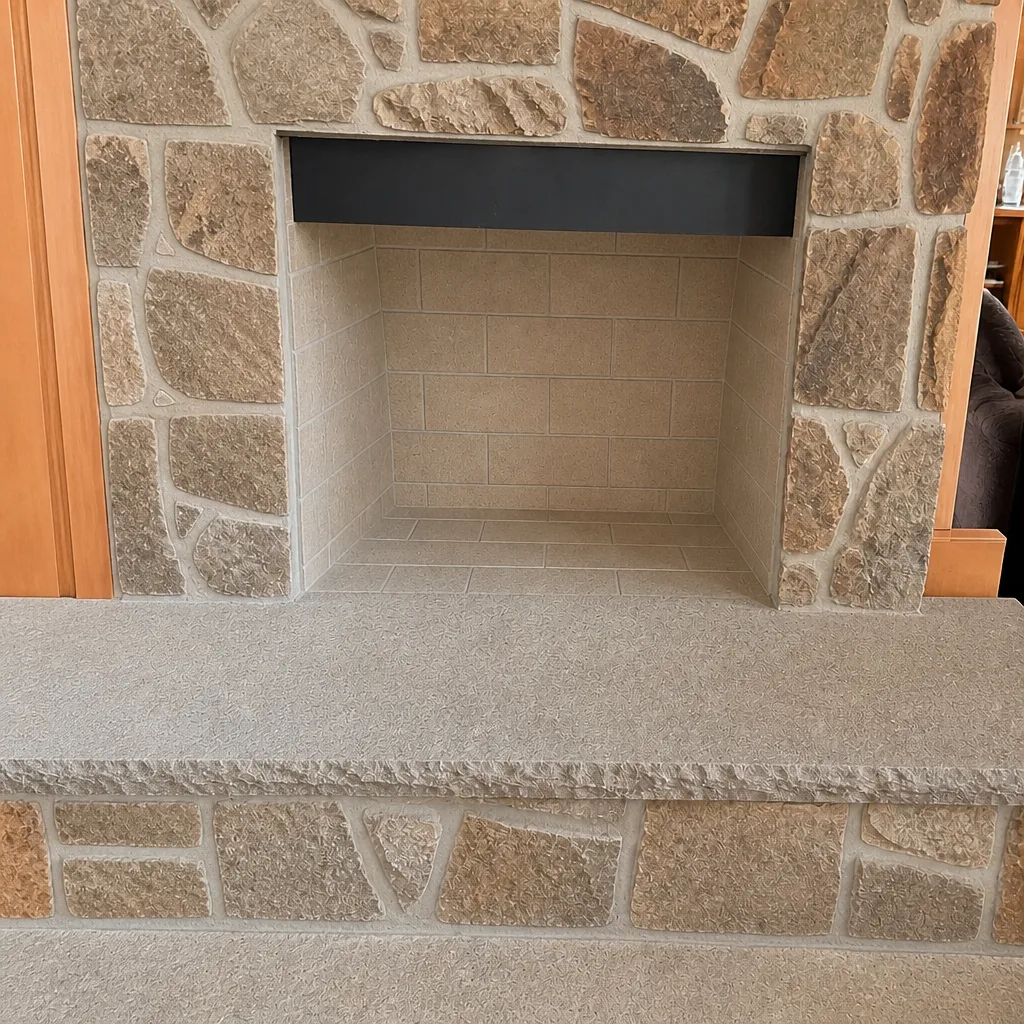
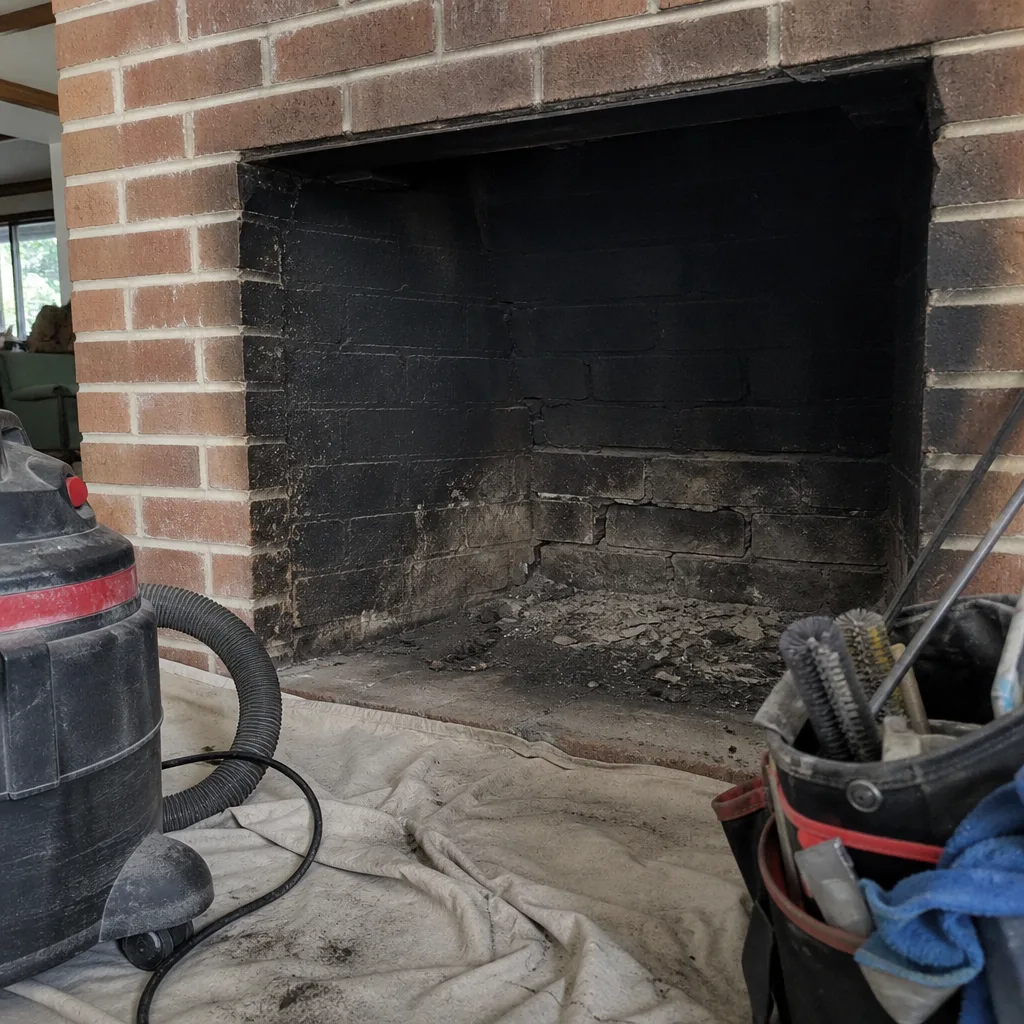
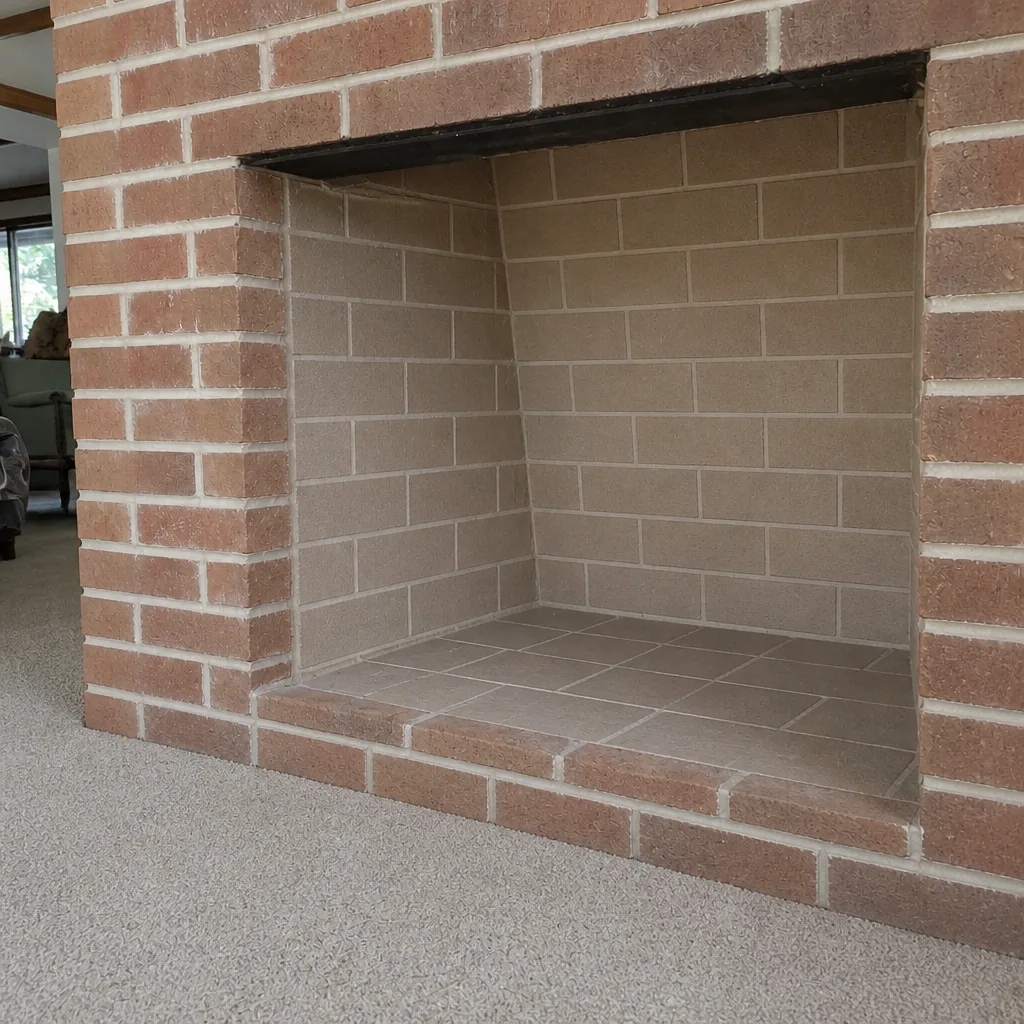
See the difference
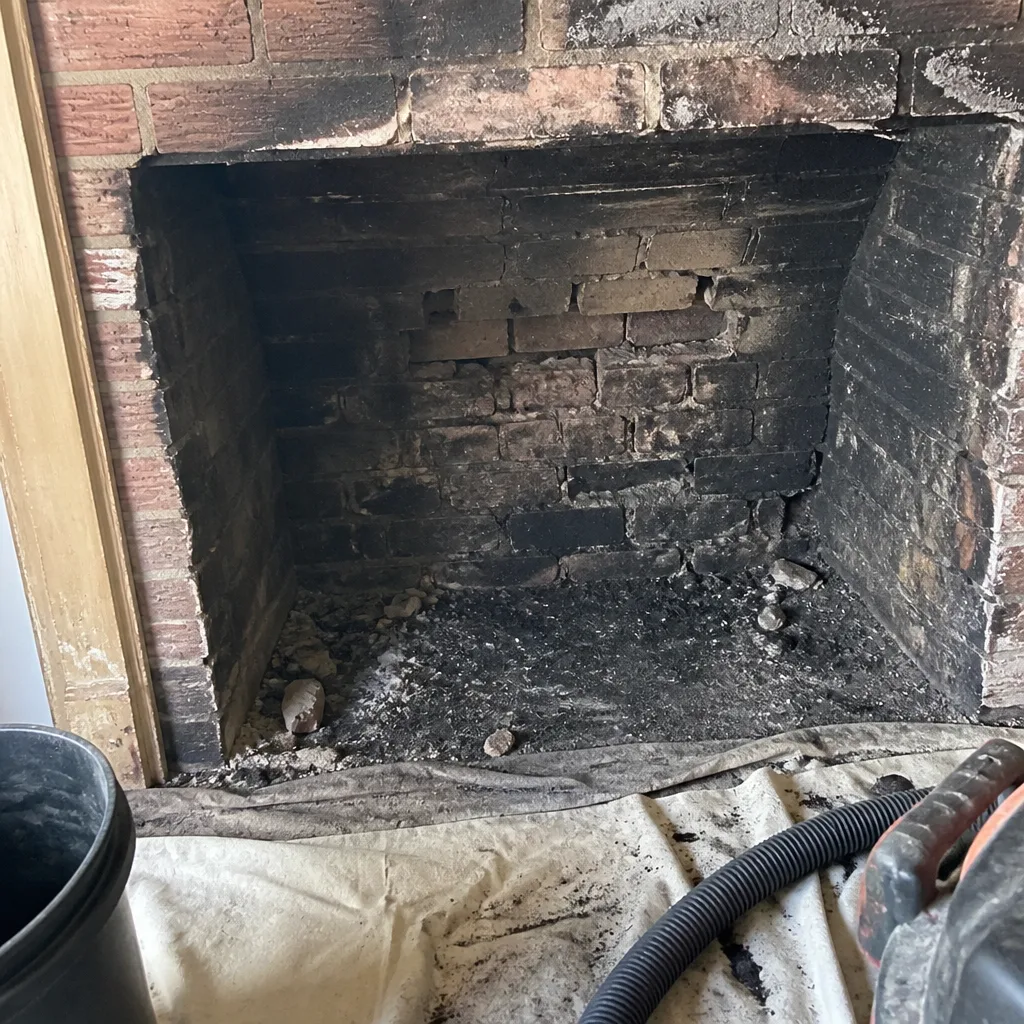 Before
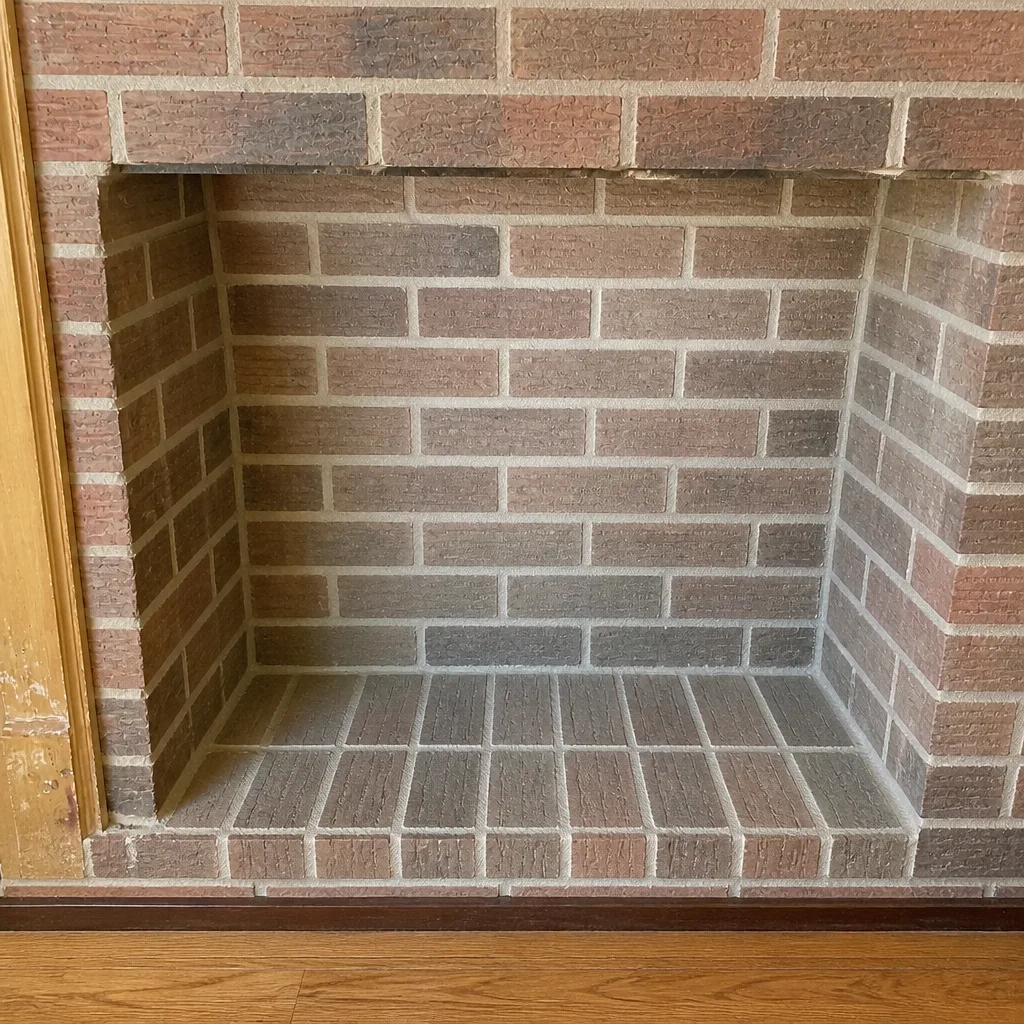 After
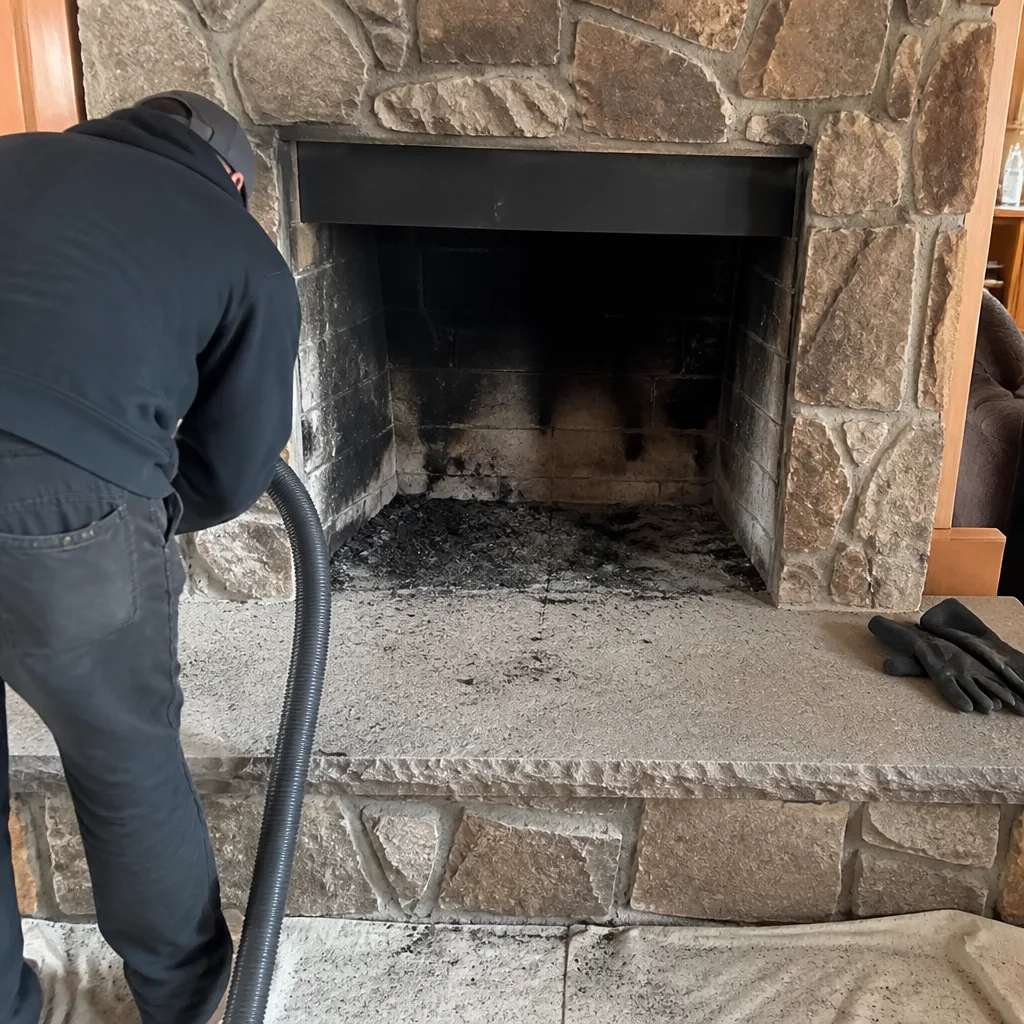 Before
 After
 Before
 After
When to Call a Professional
Call us for a diagnostic visit if you see any of the following: smoke rolling out of the firebox more than once; a creosote smell in the house during summer with no fire burning; white staining, spalling, or mortar recession on the chimney exterior; a cap that’s tilted or missing after a windstorm; or rust staining on the firebox floor. Any of those signs is worth a look before the next burning season. If you see visible smoke at the chimney top after the fire’s out, stop using the fireplace and call.
Chimney Sweep Marysville offers free estimates in Marysville – call (877) 792-7047. We answer 24/7, with fast dispatch from 7am to 7pm, Sunday through Friday. Our technicians have up to 10 years of experience, and the specialist who diagnoses is the same one who can perform the repair when the scope allows. Estimates are free, and the price is set per job by the written estimate.
Frequently Asked Questions
A routine chimney sweep in Marysville is typically in the $150 to $250 range, and an inspection that includes a camera run of the flue runs somewhat higher depending on what’s found. The estimate is free, and the price is set per job by the written estimate, so what you’re quoted is the flat price agreed before the work begins. Call (877) 792-7047 for an exact quote.
Not always – a damaged liner can sometimes be restored with HeatShield ceramic resurfacing rather than fully replaced, but that’s a case-by-case determination after a camera inspection. No liner recommendation is made without footage you can see yourself. If the liner is sound, we say so, and the sweep stays a sweep. Call (877) 792-7047 for an exact quote.
Once a year for most fireplaces, and more often if you burn green or unseasoned wood, use a fireplace insert without a properly sized flue, or notice heavy deposit at the end of a season. In Marysville, the annual sweep is best done in late summer or early fall before the burning season starts. Call (877) 792-7047 for an exact quote.
Creosote accumulates to Stage 2 or Stage 3, where it becomes tar-like and much harder to remove; the flue loses draft, smoke begins rolling into the room, and the fire risk from a chimney fire rises. A flue that’s never swept can also let moisture penetrate the liner and masonry, which is a larger repair than a cleaning. Call (877) 792-7047 for an exact quote.
Efflorescence is cosmetic in the sense that the brick itself is intact, but it signals a water problem that will become structural if the source isn’t sealed. Cleaning the white stain without sealing the moisture path makes it worse, because power-washing pushes more water in. The fix is sealing the source, and that starts with a look at the mortar and crown. Call (877) 792-7047 for an exact quote.
A creosote smell in the summer with no fire means the deposit has moved into the liner or masonry rather than just coating the flue, and the off-gassing continues when the flue is cool. That’s a different signal than the same smell during the burning season, and it warrants a camera inspection before the next season opens. Call (877) 792-7047 for an exact quote.
The Bottom Line
Most chimney warning signs point away from the actual failing component. Smoke in the room is usually negative house pressure, not a full flue. A white stain on the brick is water moving through mortar, not a surface cosmetic. A summer creosote smell is the liner, not the firebox. And a rust-stained firebox floor is condensation from an undersized or oversized liner, not normal wear. The right response to all of them is the same: a camera inspection, a photo report you can read yourself, and a recommendation based on what the footage shows. Nothing is recommended without evidence you can see, and we’ll tell you plainly when work can wait. When it can’t, the same specialist who found it can perform the repair – whether it’s a sweep, a chimney sweep, cap and crown work, or a full liner restoration.
Call (877) 792-7047 for a free estimate. We answer 24/7, with fast dispatch from 7am to 7pm, Sunday through Friday. Professional-trade materials, specification-grade brands, and the whole chimney system handled under one company – that’s what we specify, and that’s what your flue, cap, crown, and firebox get.
Written by the team at Chimney Sweep Marysville.