
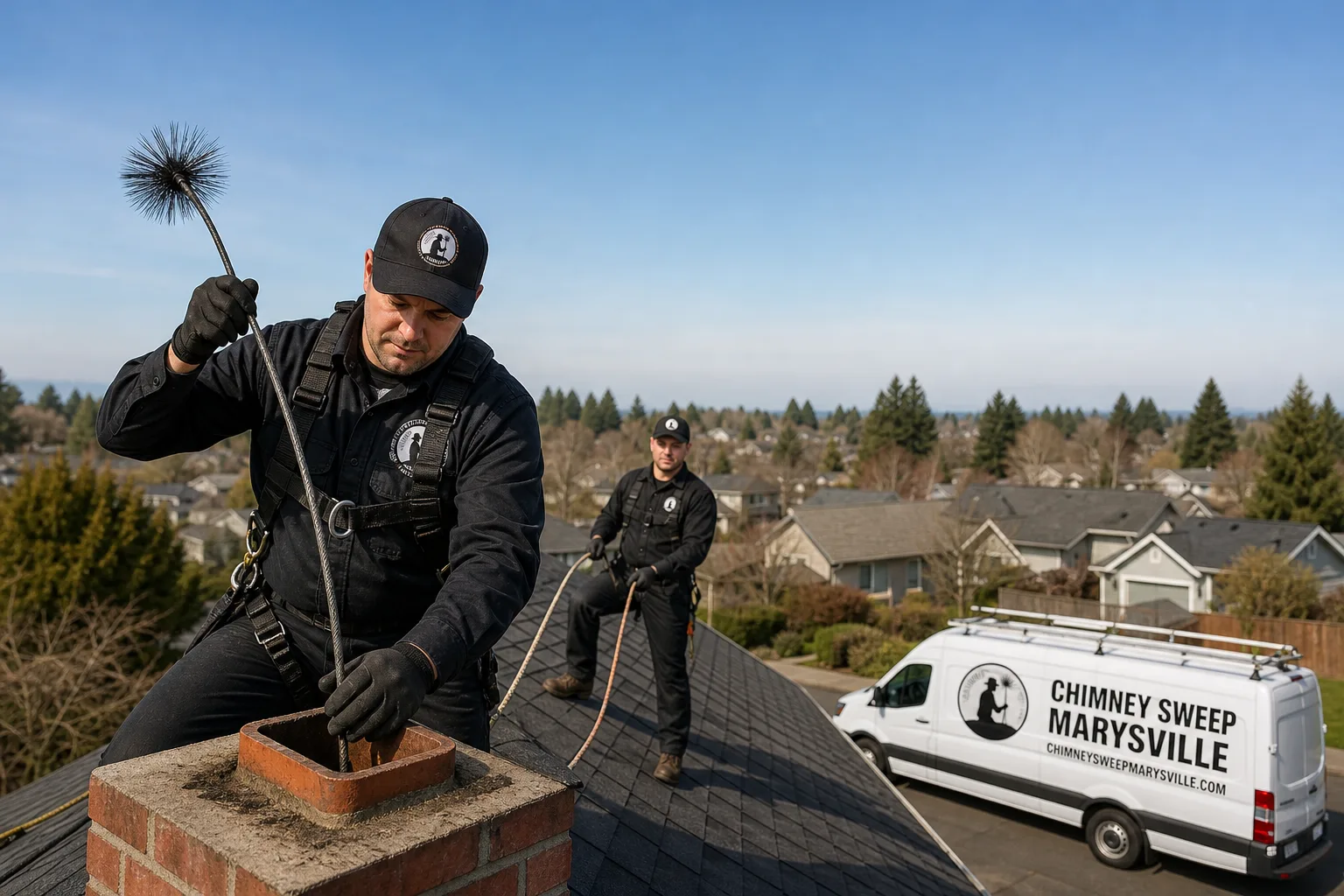
 Sweep & inspection
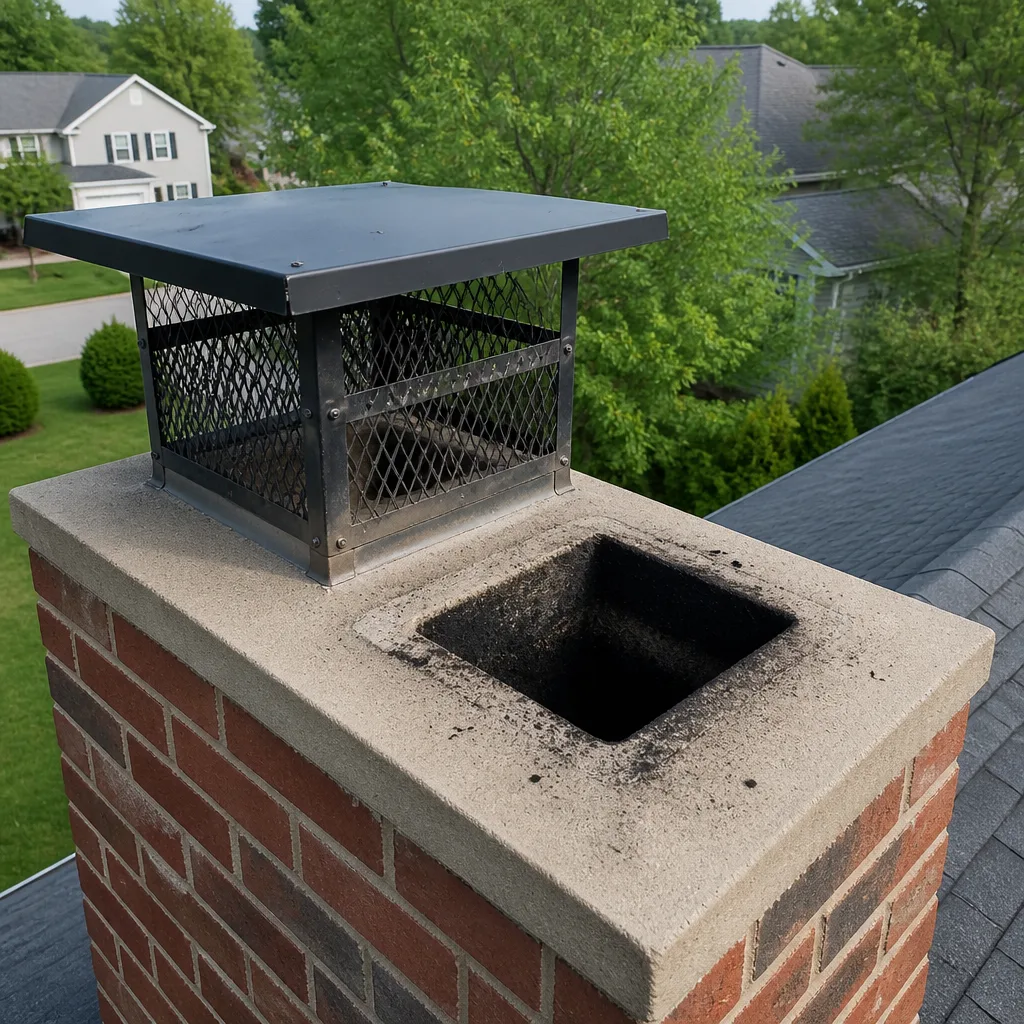
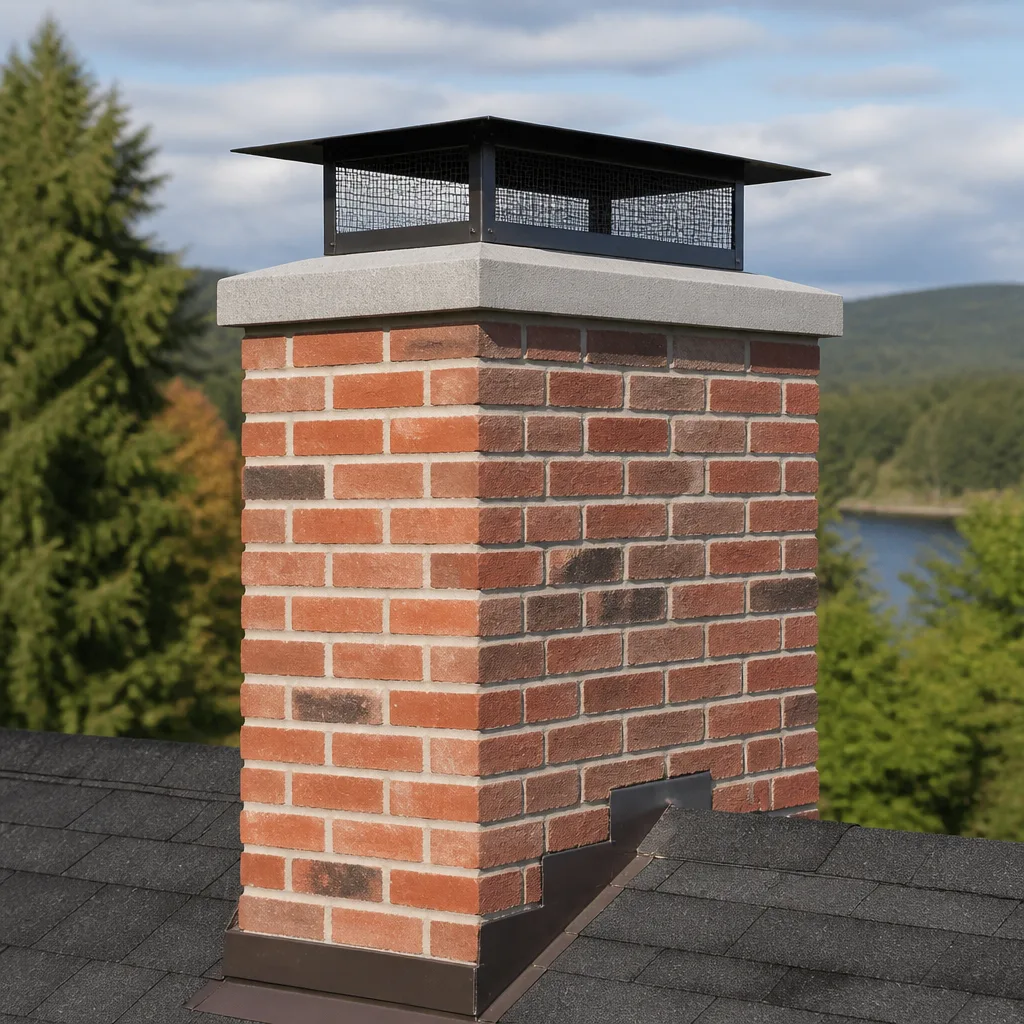 Caps & crowns
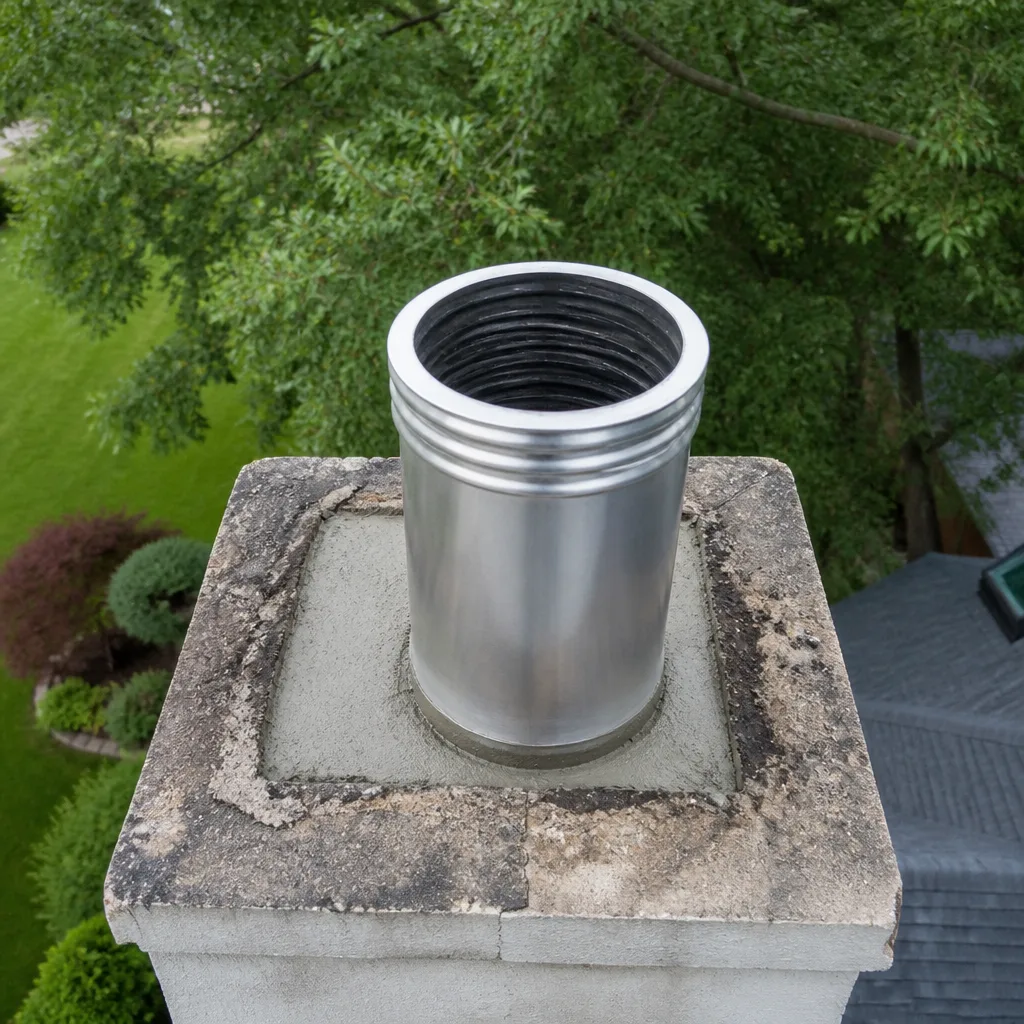 Flue relining
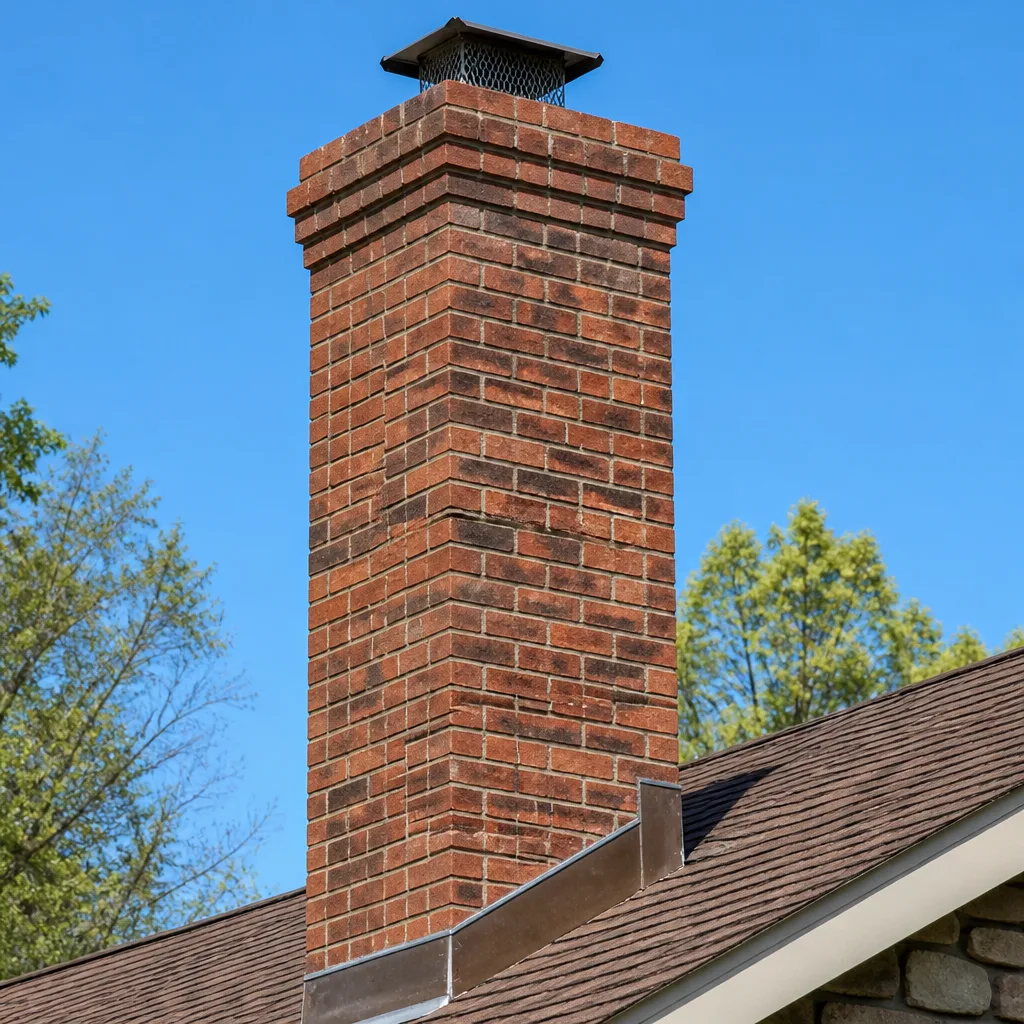 Masonry repair
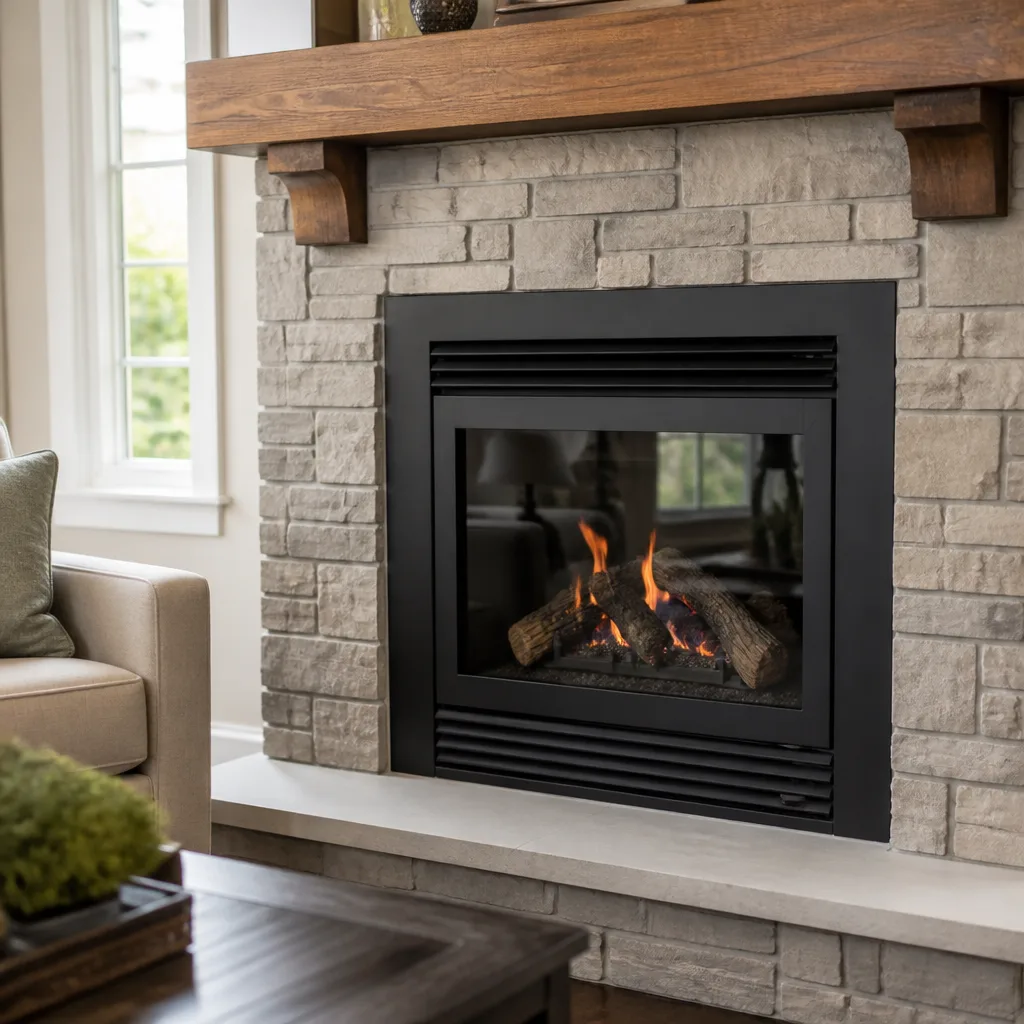 Gas fireplace service
Level 1 sweep and inspection to the NFPA 211 annual standard - flue, crown, cap, and flashing checked and photographed
Chimney sweep logs do not sweep chimneys. They loosen some creosote - which then falls where a brush and vacuum still have to collect it.
Fast, Reliable Chimney Inspection Across Arlington Heights
If your stove is your main heat, the chimney is not a seasonal chore – it’s part of how the house stays warm. We inspect chimneys across Arlington Heights, from valley homes along the Highway 9 corridor to rural and manufactured-home properties tucked into the surrounding woods, and we plan for the drive out to you when we book. Our technicians have up to 10 years of experience, and the person who inspects your flue is the same specialist who handles what gets found. Call (877) 792-7047 to schedule. We answer 24/7, with fast dispatch from 7am to 7pm, Sunday through Friday.
Why Arlington Heights Homeowners Call Chimney Sweep Marysville for Chimney Inspection
Most of the inspection calls we take in Arlington Heights are wood-heat questions, not gas-appliance questions. That shapes how we work. A flue that runs on Douglas fir through a wet valley winter builds creosote faster than a decorative fireplace ever will, and an inspector who doesn’t know that will tell you the chimney is fine when it isn’t.
We keep a strong local reputation in this valley because we show up ready to explain what we found and why it matters to the way you burn. The inspection comes with a camera scan and a photo report, so you see the same glazed buildup or rusted cap that we do. Our technicians have up to 10 years of experience working with professional-trade materials, including DuraFlex and HeatShield, which matters when a liner problem turns into a repair on the same visit.
The drive out to Arlington Heights is longer than a stop in town, and we plan around it so your appointment window holds. If something turns up that can wait, we’ll tell you plainly and put it in writing.
Styles & brands we work with
- Sweep & inspection
- Caps & crowns
- Flue relining
- Masonry repair
- Gas fireplace service
Our Chimney Inspection Services in Arlington Heights
Every inspection here starts with the same question: how hard is this wood stove working, and what is the flue carrying away? We answer it with the right level of inspection for what you’re seeing, then explain the result in plain terms.
Level 2 Inspection
A Level 2 inspection is what most Arlington Heights primary-heat wood stoves actually need. It goes beyond a visual look at the firebox and damper to cover the flue, the smoke chamber, the flashing, and the cap and crown, using a camera where the flue can’t be seen directly. If you’ve changed stoves, had a chimney fire, or bought a valley property you don’t have records for, this is the starting point.
Camera Inspection
Camera inspection is how we catch what the outside of a chimney hides. Douglas fir smoke leaves a dark, glossy third-degree creosote that a flue can carry without any visible sign from the ground, and the camera is what proves it’s there. You get the images in a report you can look at yourself.
Flue Inspection
Flue inspection focuses on the liner, its joints, and how well it carries smoke away. On damp valley mornings, a weak draft or a smoky firebox usually traces back to a cold, wet, or obstructed flue. We check the liner, look for water intrusion and cracked or spalled mortar, and tell you whether the flue can safely stay in service.
Level 3 Inspection
Level 3 is the targeted inspection for a known concern – a suspected hidden defect or damage in the chimney structure that a camera can’t settle. On older valley homes and rural properties, that sometimes means opening up a specific area to look directly. We only go there when the evidence points to it, not by default.
Trusted Brands We Service in Arlington Heights
We work with professional-trade materials rather than big-box substitutes: DuraFlex flexible liner systems for complex or offset flue configurations, HeatShield for ceramic resurfacing where a damaged liner can be repaired without a full reline, and components sourced through Olympia Chimney and Copperfield when a fit is unusual. We don’t claim to stock parts locally – we source what your chimney actually needs and book the follow-up work as soon as the material is confirmed. For a valley property with an odd flue, that’s the difference between a repair that fits and one that nearly does.
Common Chimney Inspection Problems We See in Arlington Heights Homes
The failures that turn up in this valley tend to follow the same few patterns, and they’re worth knowing before you burn another season.
- Glazed third-degree creosote from Douglas fir smoke. The dominant local firewood leaves a dark, glossy, tar-like layer that the exterior of the chimney gives no sign of. A routine brush sweep won’t remove it; it takes rotary creosote removal or resurfacing to make the flue safe again.
- Valley rain working through caps and crowns. Long wet maritime winters rust through chimney caps and crack crowns, letting water into the flue liner. An inspection that checks the cap and flashing early catches water intrusion before it turns into spalling mortar.
- A once-a-year habit stretched too long. When a wood stove is primary heat, creosote builds past first-degree well before the annual sweep arrives. Inspecting and sweeping on the interval the burning actually demands keeps the load manageable.
- Aging flues in older valley and rural homes. Mid-century valley houses and some manufactured-home stock carry liners that were never sized for the way the stove runs now. Camera inspection shows whether the liner still fits the job or needs resurfacing or relining.
Pricing for Chimney Inspection in Arlington Heights, WA
An inspection in Arlington Heights typically runs $150 to $350 for a Level 1 or Level 2 visit, and camera inspection is often included in the Level 2 so you get the photo record without a separate charge. A Level 3 inspection, which opens up part of the structure, generally runs $300 to $600 depending on how much is opened. The range moves on flue length and configuration, how accessible the cap and crown are, and whether creosote removal or HeatShield resurfacing comes up in the same visit. Rural valley properties sometimes sit a little higher on the scale because of the drive out. The written estimate sets the final price, and the estimate itself is free.
See the difference
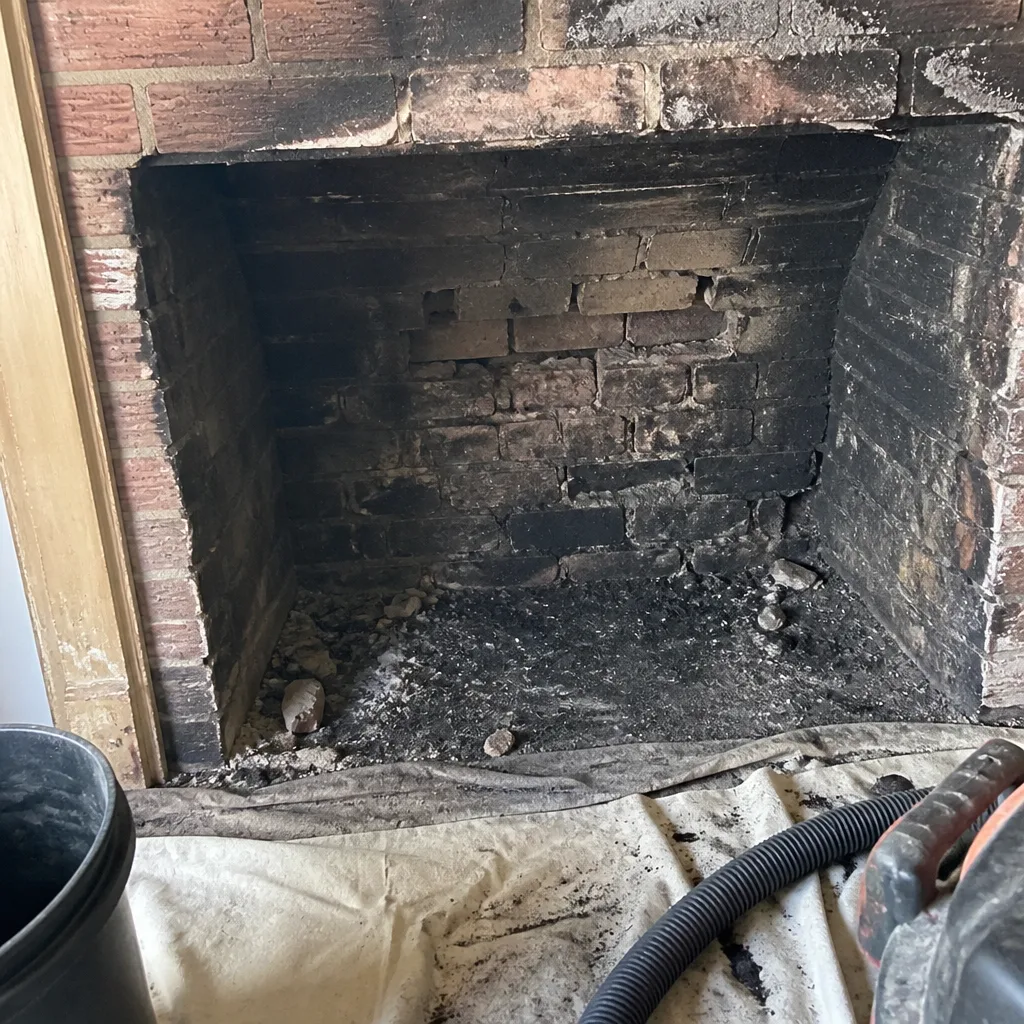 Before
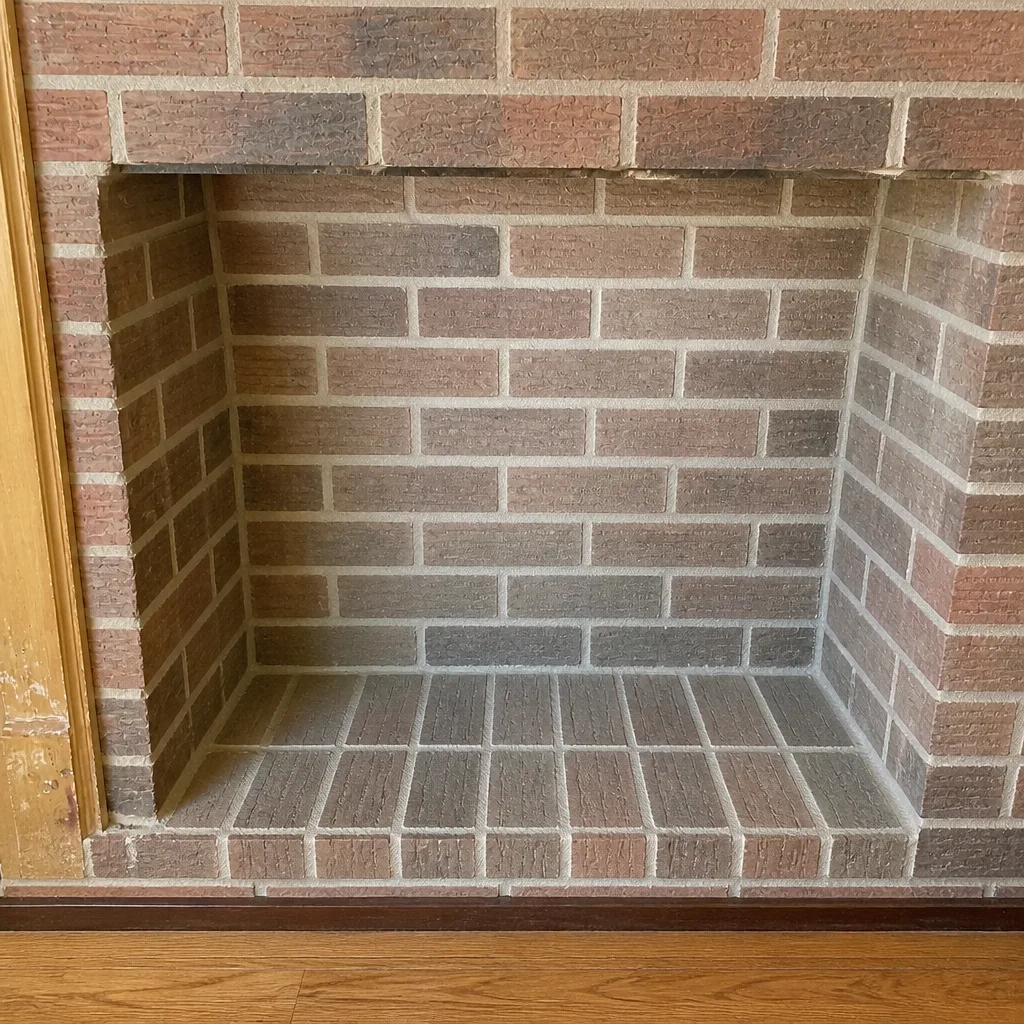 After
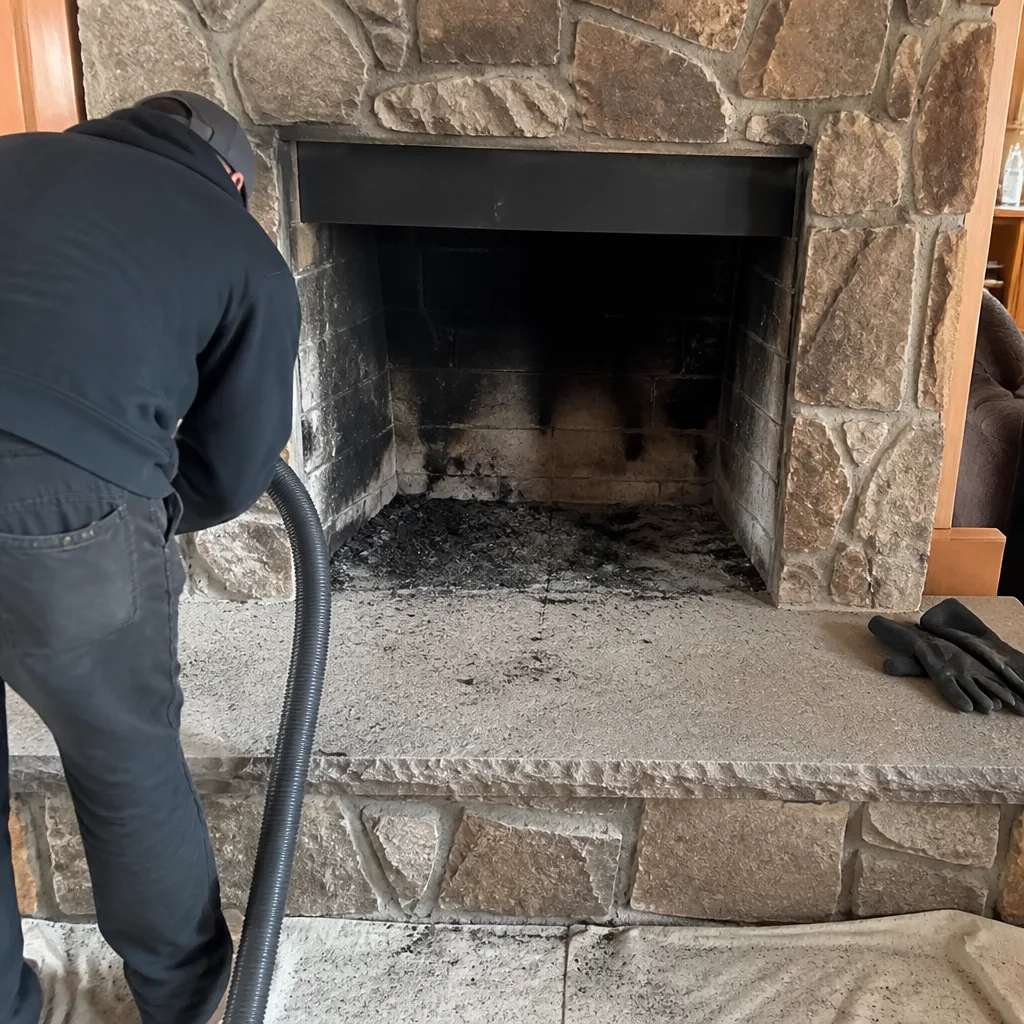 Before
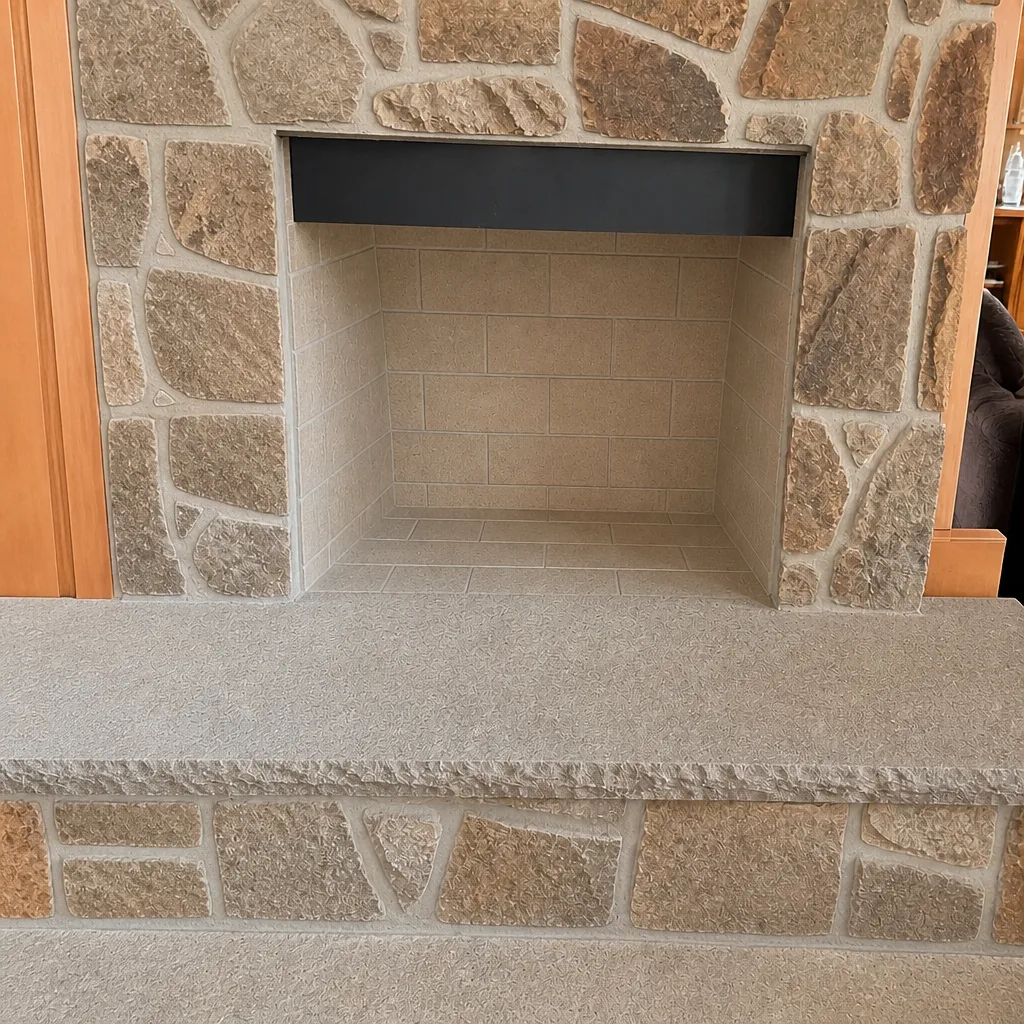 After
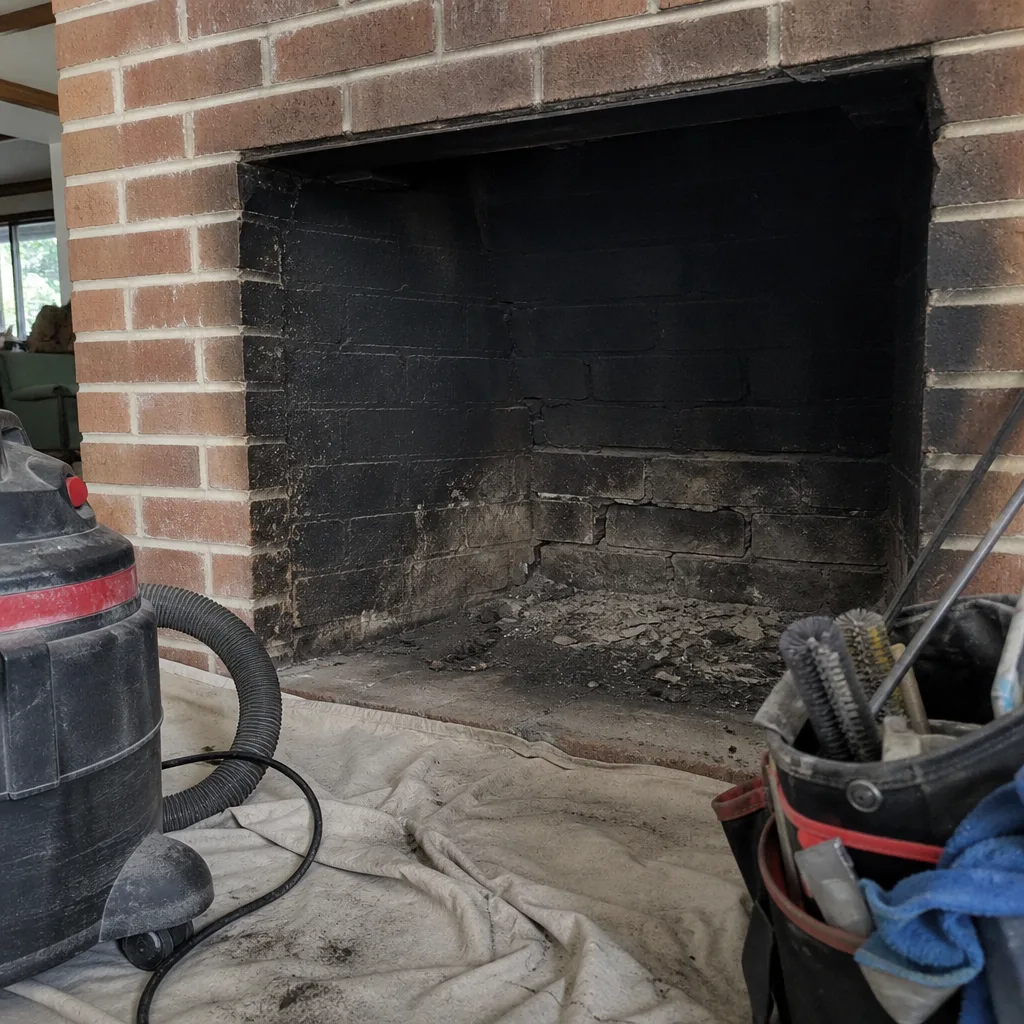 Before
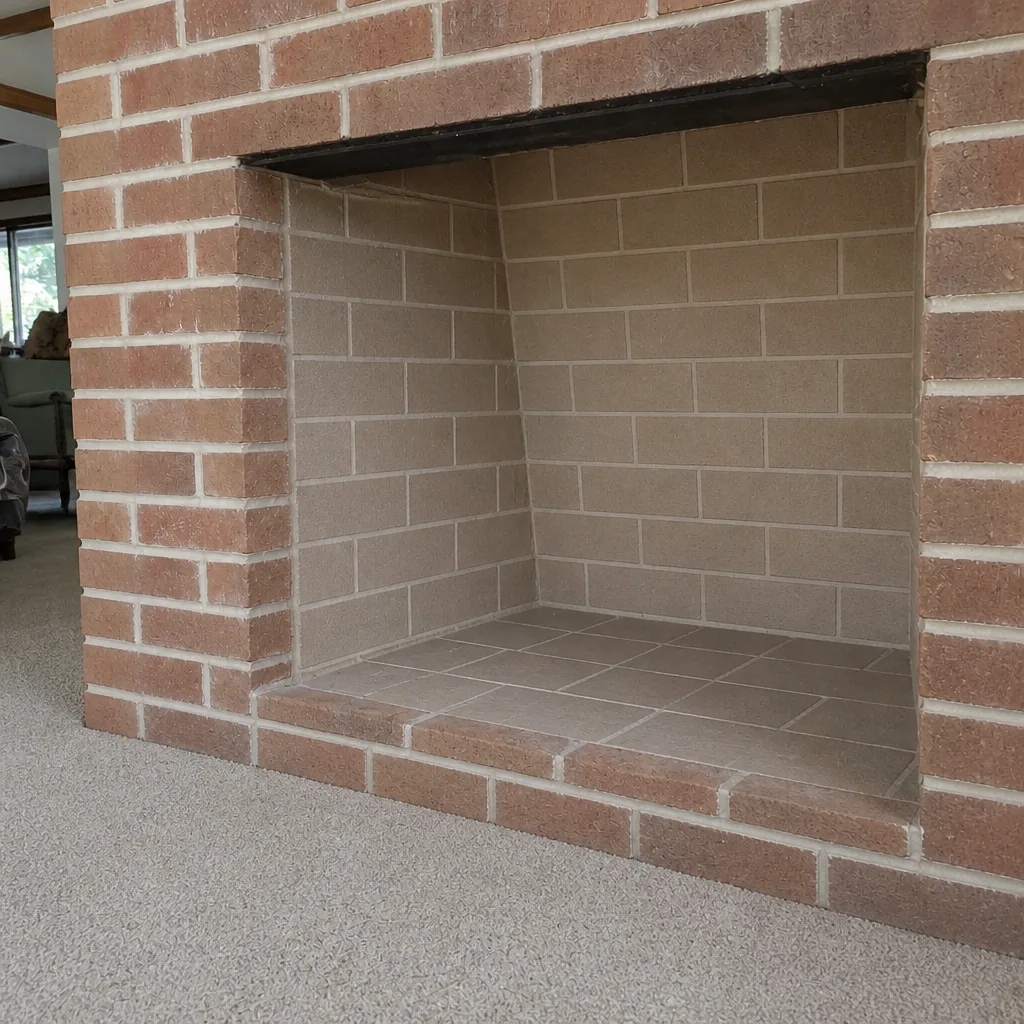 After
We Also Serve Cities Near Arlington Heights
Our chimney inspection team covers the valley and the towns around it, including Arlington, Lake Goodwin, Marysville, and Lake Cassidy. If you’re just outside the Arlington Heights area, call and we’ll confirm we can reach you and book a window that holds.
Serving Arlington Heights, WA – Our Local Coverage Area
We serve Arlington Heights and nearby communities. Use the map below to see the area we cover. If you’re nearby, we can almost certainly help.
FAQs – Chimney Inspection in Arlington Heights
With a wood stove running as primary heat on Douglas fir, plan on an inspection every season and a sweep on a shorter interval than the once-a-year habit suggests. Creosote builds past first-degree well before an annual sweep catches it, so the burning load sets the schedule, not the calendar. Call (877) 792-7047 to book a season inspection – estimates are free.
It’s dark, glossy, and tar-like, and it can coat a flue that looks perfectly clean from the ground. In this valley, Douglas fir smoke leaves it behind, and a routine brush sweep won’t take it off. Camera inspection shows it directly, and we bring the photo report so you can see it.
Yes – a Level 2 inspection checks the cap, crown, and flashing for the rust and cracks that let valley rain into the flue liner. Catching it early keeps water from turning into spalling mortar and a wet, poorly drafting flue. Call (877) 792-7047 for a free estimate.
Yes, when the evidence points to a hidden defect that a camera can’t settle. Older valley homes and rural properties sometimes carry chimney damage deeper in the structure, and a Level 3 inspection opens the specific area to look directly. We only recommend it when the camera scan gives a reason.
Yes – a real estate inspection is a Level 2 with a written report built for a transaction, so a buyer or seller has a documented picture of the flue, liner, cap, and crown. Camera images and a photo record come with it. Call (877) 792-7047 to schedule one before closing.
How a Typical Arlington Heights Inspection Goes
Most calls start the same way: a homeowner running a wood stove as primary heat notices weak draft or a smoky firebox on damp mornings. When the flue comes apart, the usual findings are glazed creosote from Douglas fir smoke plus a rusted or loose chimney cap that’s been letting valley rain into the liner. A qualified local pro performs a Level 2 inspection with a camera, checks the smoke chamber, damper, and flashing, and then recommends either rotary creosote removal or HeatShield-style liner resurfacing before the flue is safe to burn again.
The honest part matters here. Nothing gets recommended without camera evidence you can look at yourself, and if the work can safely wait, we’ll say so in the report rather than push it into the same visit.
What Actually Happens If You Skip It
Creosote left to build in a primary-heat flue is the reason chimney fires start, and a rusted cap that keeps letting rain in slowly wrecks the liner from the inside. Carbon monoxide risk rises too when a wet or obstructed flue stops drafting properly. Our technicians have up to 10 years of experience reading exactly these signs, so an inspection here is a real safety check, not a formality.
Book Your Arlington Heights Chimney Inspection
If your stove is primary heat and it’s been more than a season since anyone looked at the flue, book an inspection before the next stretch of wet weather. Call (877) 792-7047 for a free estimate. We answer 24/7, with fast dispatch from 7am to 7pm, Sunday through Friday.
Written by the team at Chimney Sweep Marysville.