
Last updated November 25, 2026
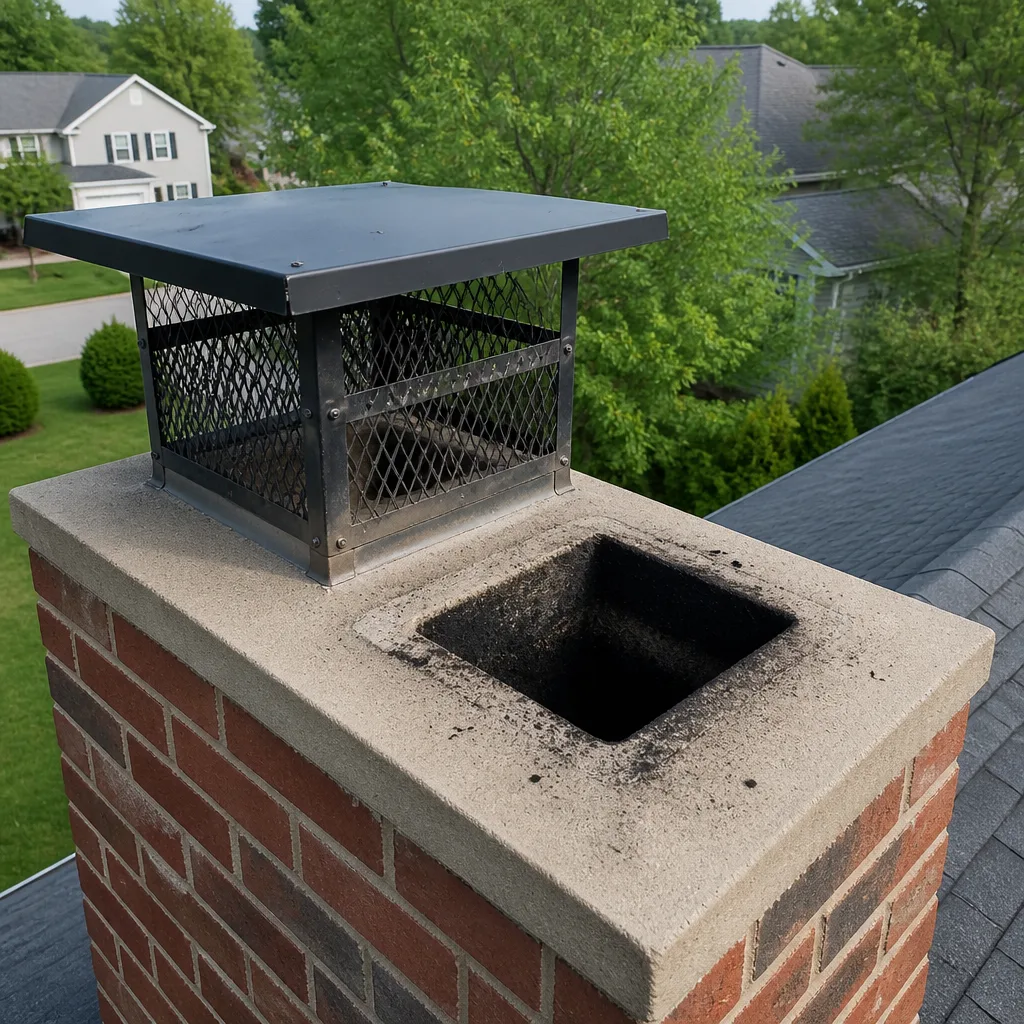 Sweep & inspection
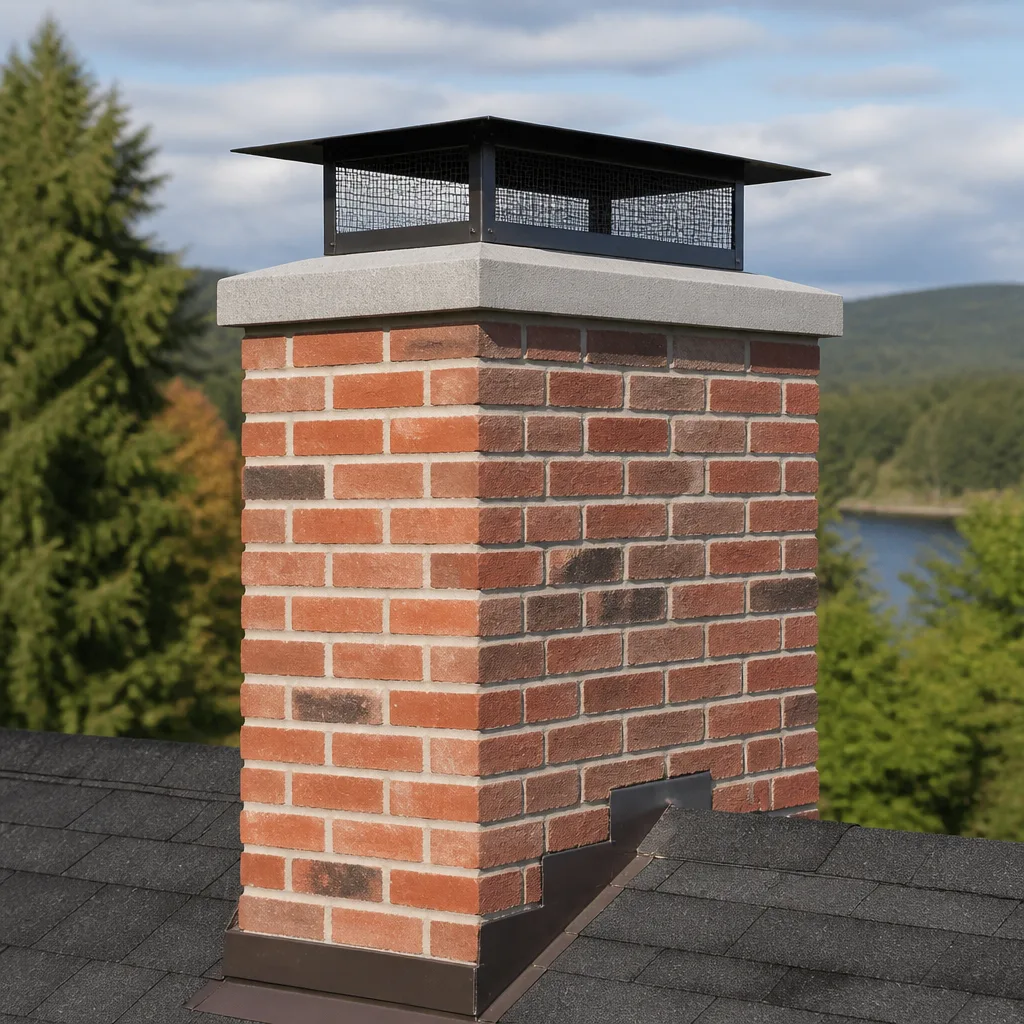 Caps & crowns
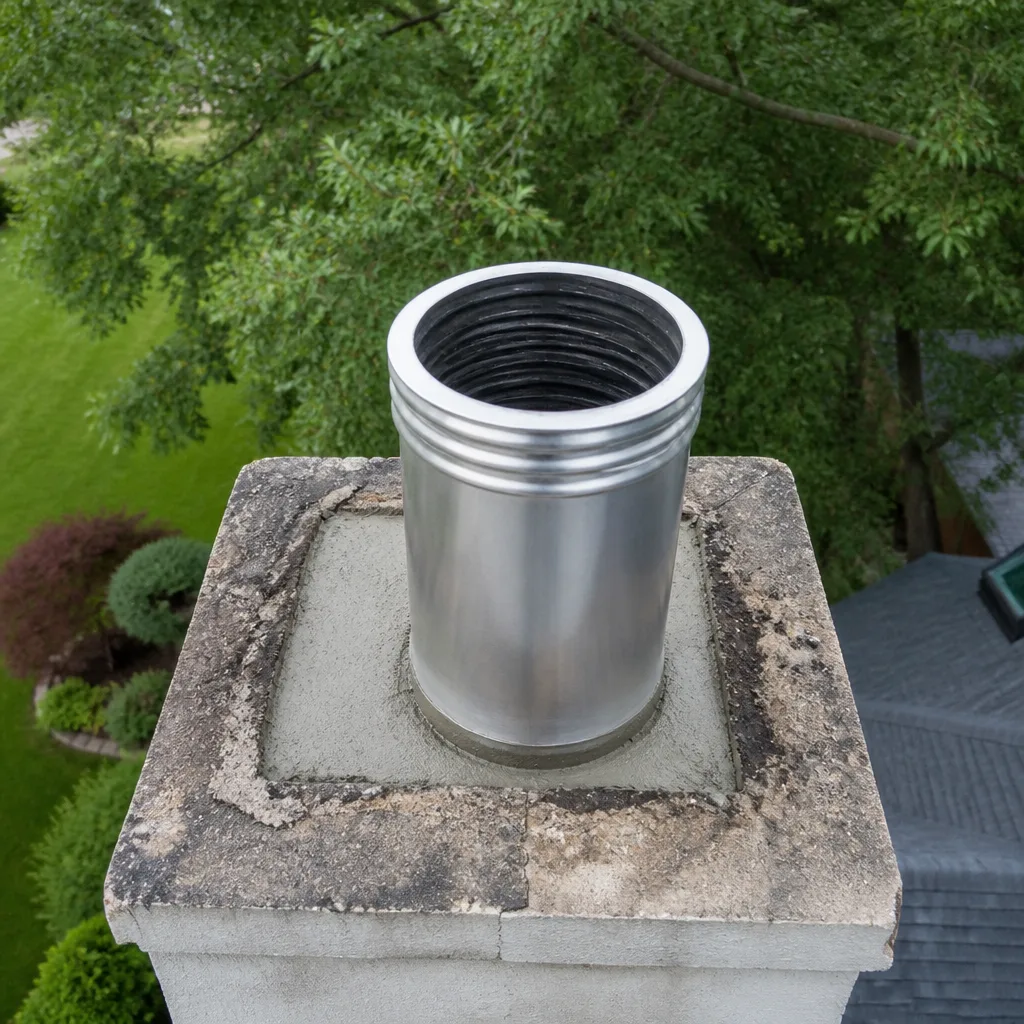 Flue relining
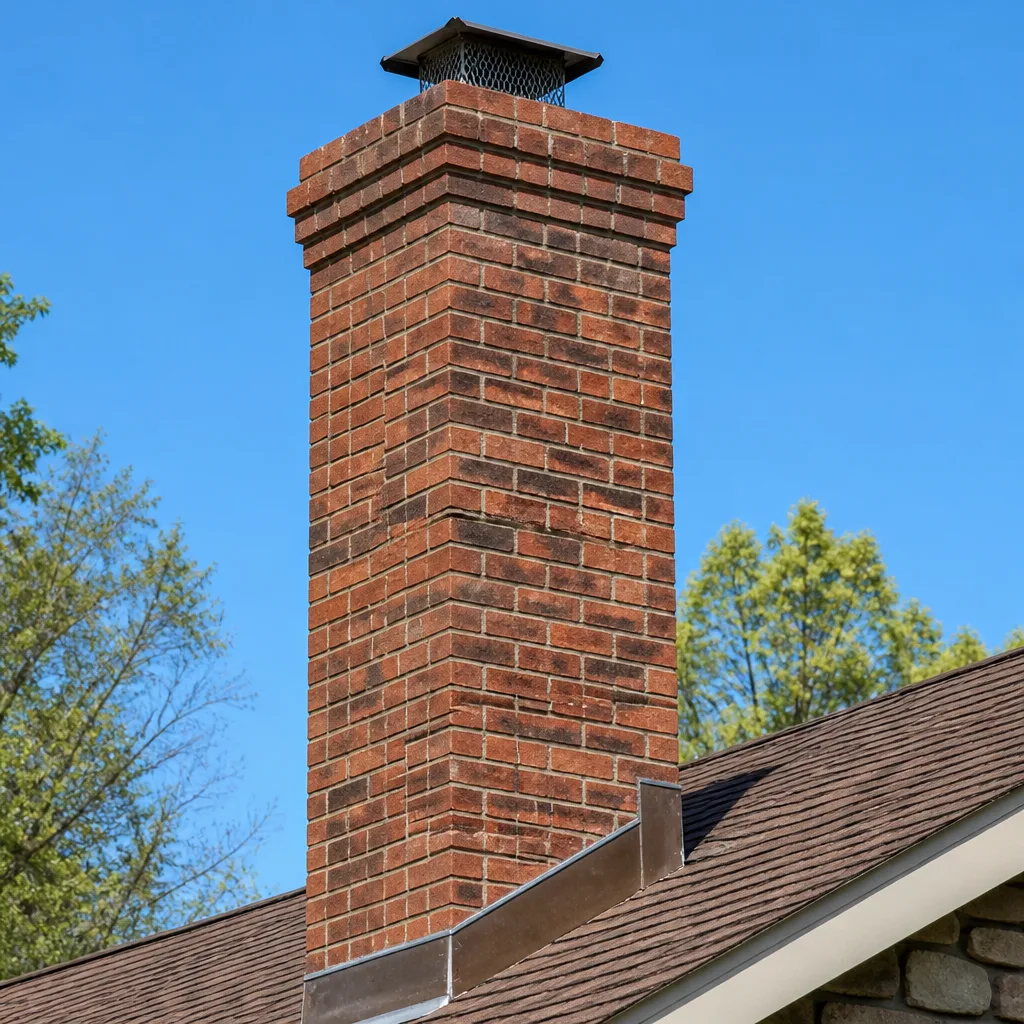 Masonry repair
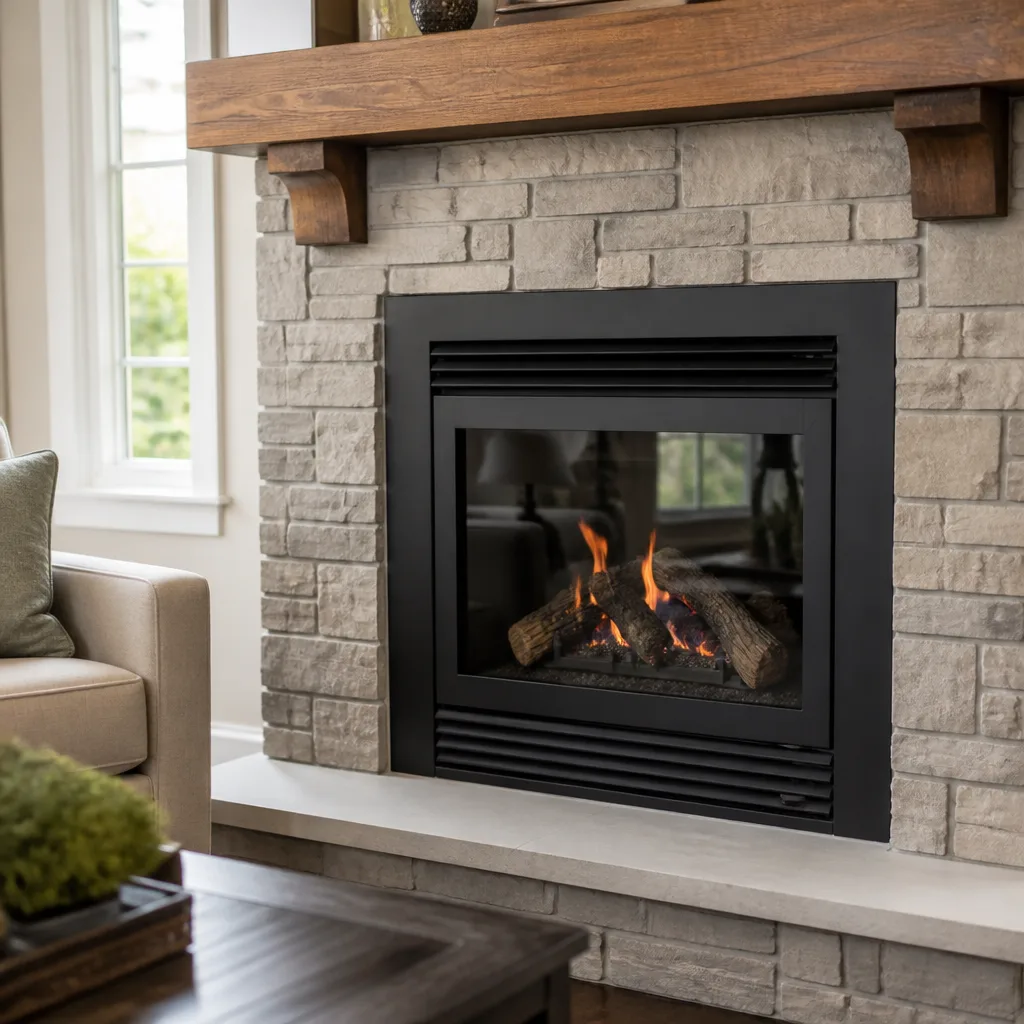 Gas fireplace service
Level 1 sweep and inspection to the NFPA 211 annual standard - flue, crown, cap, and flashing checked and photographed
Chimney sweep logs do not sweep chimneys. They loosen some creosote - which then falls where a brush and vacuum still have to collect it.
Chimney Sweep Maintenance Checklist for Marysville Homeowners
Most chimney maintenance checklists floating around the internet were written for a climate that freezes hard and stays dry. Marysville isn’t that place. We get more than 37 inches of rain a year, our winters hover near freezing instead of locking solid, and our summers dry the masonry out fast. That combination changes what fails first. Your flue interior gets all the attention in generic guides, but in Marysville the real damage usually starts up top: the crown, the cap, and the mortar joints that take the rain. This guide reorganizes the annual checklist around what actually breaks here, month by month, so you’re inspecting for the right things at the right time of year.
Quick Answer
A chimney maintenance checklist for Marysville should prioritize water intrusion at the crown, cap, and mortar joints over flue cleaning, because the region’s 37+ inches of annual rain degrades masonry far faster than creosote buildup does. Sweep and inspect annually before the first fall fire, check the crown and cap visually from the ground each season, and log every professional visit in writing with liner condition, creosote stage, and clearance measurements. Schedule the sweep before September so any repair found during inspection can be completed before burning season starts.
Styles & brands we work with
- Sweep & inspection
- Caps & crowns
- Flue relining
- Masonry repair
- Gas fireplace service
Table of Contents
- Why Marysville’s Climate Rewrites the Checklist
- The Marysville Month-by-Month Maintenance Calendar
- The Ground-Level Visual Inspection (with Binoculars)
- The Incense Draft Test Before Your First Fall Fire
- Moisture, Crown, and Cap: The Rain-Side Failure Points
- What to Look For When a Contractor Mentions Liner or Crown Repair
- What to Log After Every Professional Visit
- Year-Round Habits That Protect the System
Why Marysville’s Climate Rewrites the Checklist
A generic chimney sweep checklist assumes a dry interior and a hard freeze. Marysville doesn’t work that way. The Pacific Northwest pattern here is rain, then a near-freeze, then a thaw, repeated through the winter. That cycle is harder on masonry than a deep freeze because water gets into porous brick and mortar, expands at night, and thaws by morning, and each cycle widens the crack a little more. Over several winters a hairline joint becomes a visible gap.
Where this matters most is the top of the chimney, not the bottom. The crown is the concrete or mortar cap at the very top of the masonry that sheds water away from the flue. The cap sits above it on legs or a mesh cage. Both face the full weather exposure, and both degrade on a schedule a Midwest checklist won’t catch because that checklist assumes ice and snow rather than constant wetting and drying.
Inside the flue, Marysville’s mild winters mean homeowners burn a little less than in colder regions, so creosote accumulates more slowly than in places that run the fireplace six months a year. That’s good news, but it doesn’t make an annual sweep optional. It means the sweep is a routine check, while the top-end inspection is where the real work usually gets found.
- Rain-driven decay: crown cracks, cap displacement, and mortar recession lead the list of Marysville chimney failures.
- Freeze-thaw cycling: winter wetting and thawing widens existing cracks in brick and mortar.
- Slower creosote: fewer burn days than a hard-winter climate, so sweeps are routine, not emergency.
- Dry summers: a dry stretch is the right window for crown repair and repointing, before the rains return.
The Marysville Month-by-Month Maintenance Calendar
Calendar-based maintenance beats “I’ll do it when I think of it.” Here’s the order that matches Marysville’s weather, not a generic four-season cycle.
- March (end of burning season): Do a final visual from the ground. Look for anything that moved or cracked over the winter. Book your annual sweep for later in spring or early summer so any repair found can happen during a dry window.
- April-May: The best repair window. Get the professional inspection and sweep done, and complete crown, cap, or mortar work before summer dry-out seals a wet crack in place.
- June-July: Dry-out season. Any moisture held in masonry evaporates. This is when a spalled brick or a shifting cap becomes obvious, so re-check with binoculars. Ideal time for liner resurfacing or relining work that benefits from consistent dry conditions.
- August: Final pre-season verification. Confirm the sweep was done, confirm any repair was completed, and run the incense draft test (below) before your first fall fire.
- September-October: Burning season begins. Watch the first several fires closely for smoke rollback, weak draft, or unusual odor. Note anything unusual in your log.
- November-February: Active use. Do a ground-level binocular check once a month for new cracks, displaced caps, or missing cap sections. Clear any debris that collects around the crown.
The takeaway from the calendar is simple: Marysville’s dry summer is your repair window, and the wet winter is when the chimney takes its punishment. Get ahead of it in spring and summer, and the fall and winter take care of themselves.
The Ground-Level Visual Inspection (with Binoculars)
You don’t need to get on the roof to catch most chimney problems early. A pair of binoculars and a walk around the house from a safe distance will show you the four things that matter most in Marysville.
Spalling brick. Spalling means the face of a brick is flaking off or popping away in layers. It’s the fingerprint of trapped moisture. Look for brick faces that look rough, cratered, or lighter than surrounding brick. In Marysville, spalling usually appears on the weather-facing side first, and once you see it on the chimney, the crown and mortar joints above it are worth checking at the same time.
Cap displacement. A chimney cap should sit level and flush. Tilted, lifted, or shifted caps mean the attachment or the flue tile below has moved, and that’s often a sign of moisture working under the cap or a mortar joint failing. A missing cap is worse: it opens the flue to rain and to animals.
Mortar line recession. Look at the joints between the bricks. Sound mortar is full and slightly proud of the brick face. Recessed, crumbling, or missing joints mean the mortar is eroding, usually the leading edge of a freeze-thaw problem. Note which sides of the chimney show the worst recession so you can point it out during the inspection.
Crown condition. The crown should overhang slightly and slope away from the flue. Look for visible cracks, a flat or sagging crown that’s lost its slope, or a crown pulling away from the flue tile. Any of these lets water pool right where it does the most damage.
What you should never do from this checklist is climb the roof or the chimney to look closer. Height work on a wet or mossy Marysville roof is a fall risk, and it’s the kind of inspection a trained chimney technician does safely. Note what you see, take a phone photo through the binoculars if you can, and pass it to the technician.
The Incense Draft Test Before Your First Fall Fire
Before you light the first fire of the season, run a quick draft test. It catches a blocked or underperforming flue while the weather is still mild and before you’re committed to a fire in the fireplace.
- Make sure the firebox is clean and empty. Confirm the damper is fully open.
- Close the doors or windows in the room to minimize cross-drafts. Give the flue a couple of minutes to settle.
- Light one incense stick and let it burn for a few seconds so it produces a steady plume.
- Hold the stick near the firebox opening, just inside the top of the fireplace opening.
- Watch the smoke. It should be drawn steadily up and into the flue. If it stays flat, drifts into the room, or blows back toward you, draft is weak or the flue is obstructed.
- Repeat at the top and both sides of the firebox opening to check whether the draw is even.
Smoke that won’t draw is a reason to stop, not to push ahead and light a fire. Weak draft can mean a partial blockage (a bird nest, a fallen cap component, or a collapsed flue tile) or a pressure problem in the house. Do not try to diagnose it from below with a flashlight beyond looking up the flue from the firebox; the real answer comes from a professional inspection with a camera. If the test fails, chimney sweep Marysville is the starting point for a sweep and inspection that will identify the cause.
Moisture, Crown, and Cap: The Rain-Side Failure Points
Here’s the pattern we see on Marysville chimneys more than any other: water gets in at the top, and the damage shows up lower down where a homeowner isn’t looking. The crown and cap are the two components that either keep water out or let it in, and both are exposed to every storm.
What a compromised crown or cap leads to:
- Rusted dampers and firebox components: water running down the flue collects on metal parts and starts rust.
- Spalled flue tiles and masonry: moisture absorbed into clay or brick freezes and opens cracks.
- Efflorescence: the white chalky staining on brick is a sign of water moving through masonry.
- Interior staining: water finding its way into the attic or the wall near the chimney.
- Liner damage: repeated wetting and drying shortens the life of a clay liner or the stainless liner inside it.
The fix side is where material choice matters. For crown repair, a cast-in-place repair system like HeatShield’s CrownCoat product is designed to restore the crown’s slope and seal cracks rather than smearing a layer of mortar over the top and calling it done. That distinction matters because a surface patch that doesn’t restore slope will pool water in the same place and fail again. When a contractor mentions crown repair, ask specifically which system they’ll use, whether it’s formulated for over-crown application or full crown replacement, and whether the new crown will actually shed water away from the flue tile. The same goes for cap work: the material and attachment method, not just whether a cap goes back on, determine how long the repair lasts. Our chimney repair work covers crown and cap restoration as part of the full chimney system, not as a standalone fix-it.
What you can check yourself, and what you can’t see, matters here. From the ground, you can spot a cracked or displaced crown. What you can’t see is how far the crack runs, whether water is already working under the cap flashing, or whether the flue beneath is compromised. That’s the reason for the annual professional inspection, and it’s why we photograph what we find so a homeowner can see the crack on the camera feed before any repair is recommended.
What to Look For When a Contractor Mentions Liner or Crown Repair
The number one hesitation homeowners bring to us is being told they need liner work or thousands of dollars of masonry repair they can’t verify. This section is written so you can have that conversation on equal footing.
Ask for the evidence first. A professional inspection with a camera should include a photo report you can see and keep. The technician should be able to show you the liner condition, the creosote stage, and the clearance measurements at the time of inspection, not just describe them. If a contractor can’t produce the photo record, that’s a fair reason to ask for a second opinion.
Then ask about the method, not just the outcome. When a damaged flue comes up, the options usually fall into one of three buckets:
- HeatShield ceramic resurfacing: a liner-restoration method that resurfaces the inside of the flue and can extend the life of a damaged liner without a full reline. It requires product-specific training and application, so it’s a good sign when a contractor can explain which conditions it applies to and which disqualify a flue from it. Flues with major structural failure or chronic water damage aren’t candidates.
- Full reline with a flexible liner: specified with DuraFlex or a similar flexible liner system, this is the option when the existing flue is beyond resurfacing. A flexible liner can navigate offset or irregular flue configurations in older houses, which is why it comes up often in Marysville’s older housing stock.
- No work now: sometimes the honest answer is that a minor crack or a cosmetic crown issue can safely wait until the next season, with a documented follow-up date. A contractor who says this is worth keeping.
The material brands a contractor can source also tell you something. Working through professional distributors like Olympia Chimney and Copperfield gives access to uncommon components and custom fits, which is often what older Marysville chimneys need. When you hear a brand name in a quote, it’s fair to ask why that product was chosen over another and whether it’s a professional-trade product rather than a big-box substitute. The answer should be specific. If it’s vague, get another estimate.
What to Log After Every Professional Visit
A maintenance checklist only works if you keep the record. Every professional visit should end with a written log you own. Ask the technician to record, in writing, four things before they leave:
- Liner condition rating: what stage the liner is in, with the camera photo to back it up.
- Creosote stage: how much creosote is present and at what stage (a technician should be able to describe the stage, not just the amount).
- Clearance measurements: the measured clearances from the chimney to combustible materials, so next year’s visit has a baseline.
- Next recommended service interval: when the next sweep or inspection is due, with a reason.
Add the crown and cap condition to the same log, plus any repair completed and its brand or system. That log becomes your baseline. Next year, the technician can compare it against the new inspection, and you can see whether something is degrading, holding steady, or improving. A chimney sweep without a written record is a missed opportunity; the record is what makes the annual visit part of a maintenance plan rather than a half-remembered chore. Save the photo report alongside the log. Many homeowners keep a chimney binder or a folder in their email with the year’s inspection, quote, and repair records.
Year-Round Habits That Protect the System
Between the scheduled sweeps and inspections, a few habits make a real difference in Marysville’s wet climate.
- Burn dry wood. Seasoned wood produces less creosote than green wood, and creosote is the fuel for a chimney fire. Keep firewood covered and off the ground through the wet season.
- Don’t overload the firebox. Small, hot fires burn cleaner than smoldering ones. Smoldering produces more creosote and more smoke.
- Keep the damper closed when the fireplace isn’t in use. An open damper lets warm air escape up the flue and rain-cooled air back down.
- Clear debris from the crown and the area around the cap. Leaves, twigs, and moss hold moisture against the masonry.
- Watch for interior staining or dampness near the chimney. Early signs of a leak are easier and cheaper to fix than a compromised flue liner.
- Never use a chimney that’s had a chimney fire without an inspection. Even a small chimney fire can damage the liner, and the damage isn’t always visible from the firebox.
The full scope of chimney maintenance – sweep, inspection, cap and crown work, and repair – is one system. If you treat the sweep, the inspection, and the crown repair as separate tickets, you’ll miss the point. When one technician can inspect and do the repair in the same visit, nothing falls through the gap between contractors. Our fireplace repair work is handled the same way: found during inspection, repaired under the same visit where the repair allows it.
Common Mistakes to Avoid
- Sweeping but skipping the crown and cap. The flue interior gets all the attention, but in Marysville the failure usually starts at the top. If your sweep doesn’t include a look at the crown, the cap, and the mortar joints, you’re missing the main event.
- Climbing the roof to inspect it yourself. Marysville roofs stay damp and mossy through the wet season, and chimney height work is a genuine fall risk. Check from the ground with binoculars and leave the roof to a trained technician.
- Treating a crown patch as a crown repair. A layer of mortar smeared over a cracked crown will pool water again next season. Ask for a repair that restores slope and seals, and ask which system is being used.
- Ignoring a failed incense draft test. Smoke that won’t draw before the first fall fire is telling you something is blocked or the flue is compromised. Don’t light a fire to “see if it clears up.”
- Skipping the written log. If the technician doesn’t leave a written record of liner condition, creosote stage, clearances, and next service interval, next year’s visit has no baseline to compare against.
- Letting the first fall fire be the first check. September is too late to discover a repair need. Do the sweep and inspection in spring or early summer so any repair can happen before burning season.
- Accepting a repair quote without a photo report. If you can’t see the damage on the camera feed before you say yes, ask why. A real inspection produces evidence you can review.
See the difference
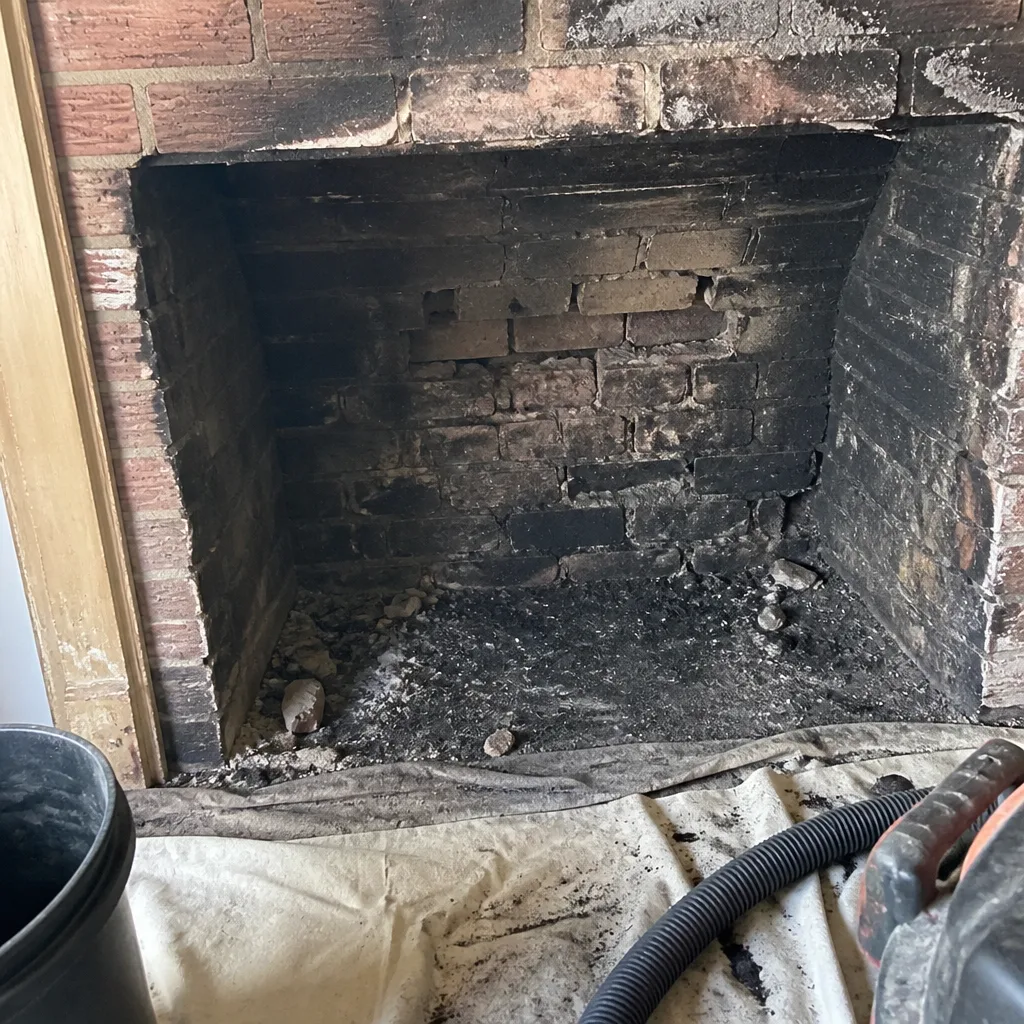 Before
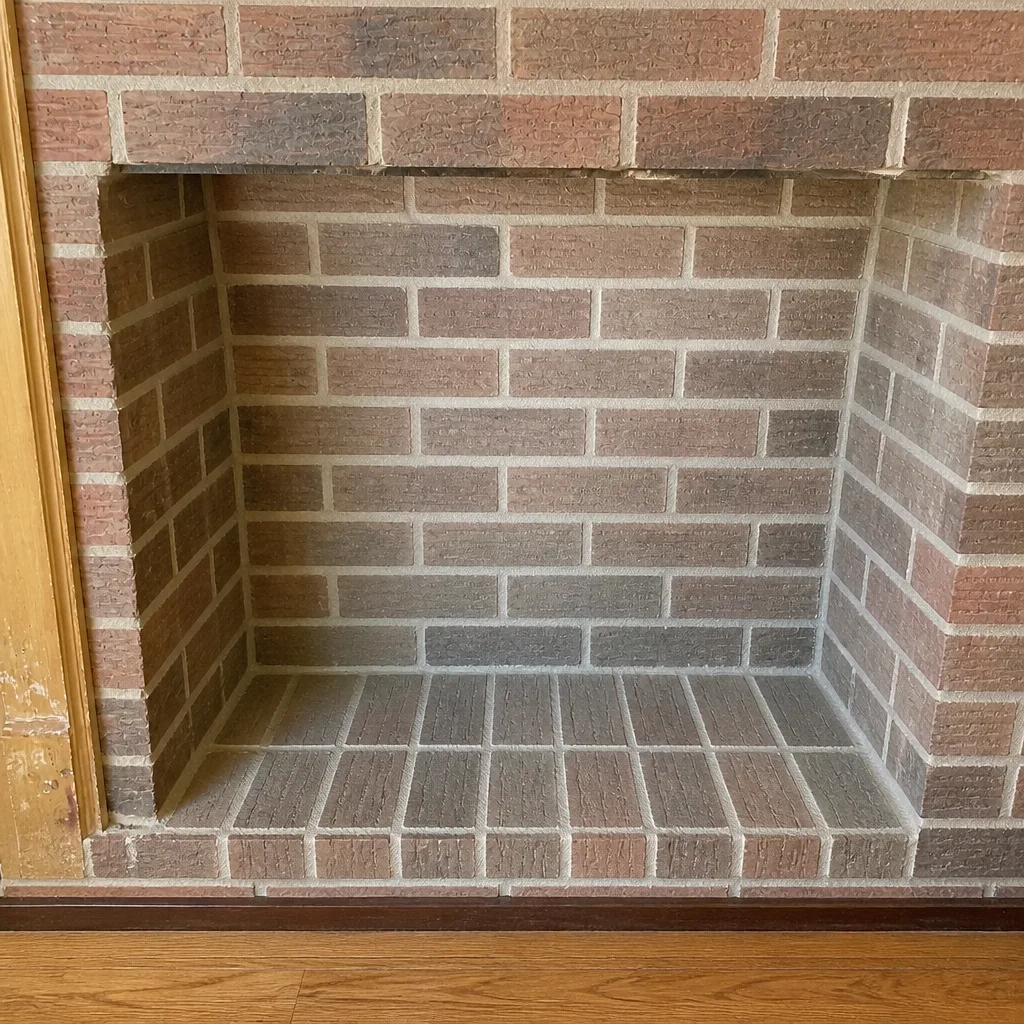 After
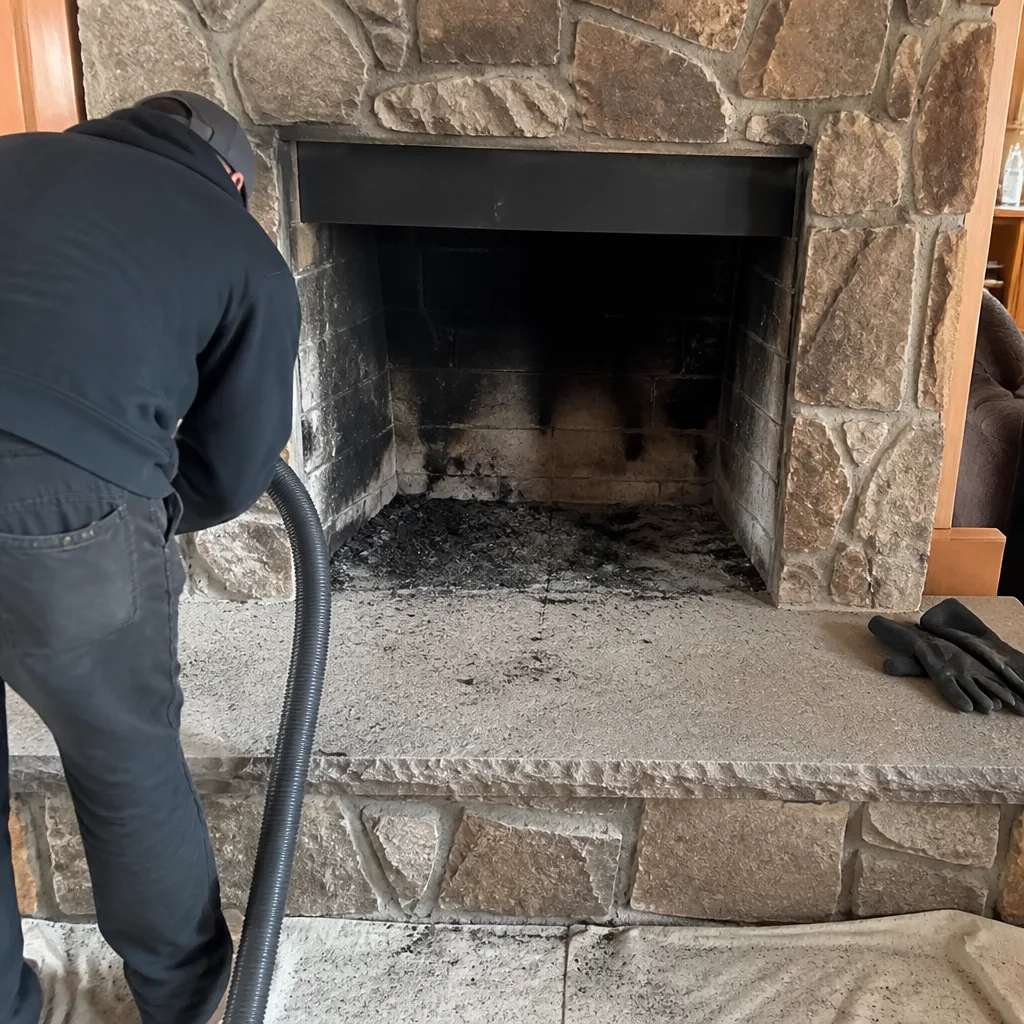 Before
 After
 Before
 After
When to Call a Professional
Some situations are clear reasons to call a professional chimney technician. You’ve seen spalling brick, a displaced or missing cap, or significant mortar recession from the ground. Your incense test showed weak or reversed draft before the first fall fire. You have water staining in the attic or near the chimney, or rust on the damper. You’ve had a chimney fire, even a small one, or you smell a strong odor even when the fireplace is idle. You haven’t had an inspection since before the last burning season. Or your annual sweep is simply due. Chimney Sweep Marysville offers free estimates in Marysville – call (877) 792-7047. Our technicians have up to 10 years of experience, and a chimney sweep and inspection includes a camera check and a photo report so you can see what was found.
Frequently Asked Questions
Once a year, as a baseline, and more often if you burn heavily or burn green wood. In Marysville’s mild winters, most homeowners burn fewer months than in a cold climate, so the sweep itself is usually routine. The annual appointment is really a sweep plus an inspection – and in this climate, the top-end inspection of the crown, cap, and mortar joints is where the more important findings tend to be. Call (877) 792-7047 and we’ll get you on the schedule before burning season.
Because the failure mode here is water intrusion, not a hard freeze. The region gets more than 37 inches of rain a year and winters hover near freezing rather than holding a deep freeze. That means rain soaks masonry, a near-freeze pressures the cracks overnight, and a thaw widens them by morning. Generic checklists assume ice and snow, so they focus on the flue interior; Marysville chimneys need the crown, cap, and mortar joints checked first. Call (877) 792-7047 for a free estimate on any repair the inspection turns up.
Pricing is per job, and the written estimate sets the final price – so the cost depends on your chimney’s configuration, access, and any repair found during the inspection. We give a free estimate before any work is booked, and the estimate is specific to your chimney, not a flat rate. The estimate lists the inspection and any repair as separate line items so you can see exactly what each covers. Call (877) 792-7047 for an exact quote – estimates are free.
Not always. A damaged flue sometimes qualifies for HeatShield ceramic resurfacing, which can extend a liner’s life without a full reline; a flue in worse condition may need a full reline with a flexible system like DuraFlex. The decision should be made from a camera inspection, with the photo shown to you before anyone recommends work. If your flue is beyond resurfacing, a flexible liner can handle offset or irregular configurations common in older homes. Call (877) 792-7047 – the photo report comes before the recommendation.
Yes, from the ground, with binoculars. You can safely check for spalling brick, a displaced or missing cap, recessed mortar joints, and a cracked or sagging crown. You can also run the incense draft test at the firebox opening. What you should not do is climb the roof or the chimney – height work on a wet or mossy roof is a fall risk. Note what you see, and pass it to the technician during your annual appointment. Call (877) 792-7047 if anything looks off and we’ll book an inspection.
A written log with four things: liner condition rating, creosote stage, clearance measurements, and the next recommended service interval. Add the crown and cap condition and any repair completed. Those four numbers are what make next year’s inspection useful, because the technician can compare them against the new findings. A chimney sweep without a written record is a missed baseline. Call (877) 792-7047 and ask for the photo report with your inspection.
The Bottom Line
The standard annual chimney checklist was built for a cold, dry climate. Marysville isn’t that, and the checklist has to change with the weather. Here, water from 37+ inches of rain is the primary threat, and the crown, cap, and mortar joints are where it does the most damage. Sweep and inspect in spring or early summer so any repair happens during the dry window. Use binoculars from the ground to spot spalling brick, a shifting cap, and recessed mortar, and run the incense draft test before the first fall fire. Keep a written log after every professional visit that records liner condition, creosote stage, clearances, and the next service interval. Our technicians have up to 10 years of experience, and we work with specification-grade products like HeatShield and DuraFlex so a repair found during inspection is usually a repair completed in the same visit. Call (877) 792-7047 for a free estimate. We answer 24/7. Fast dispatch from 7am to 7pm, Sunday through Friday.
Written by the team at Chimney Sweep Marysville.