
Last updated November 25, 2026
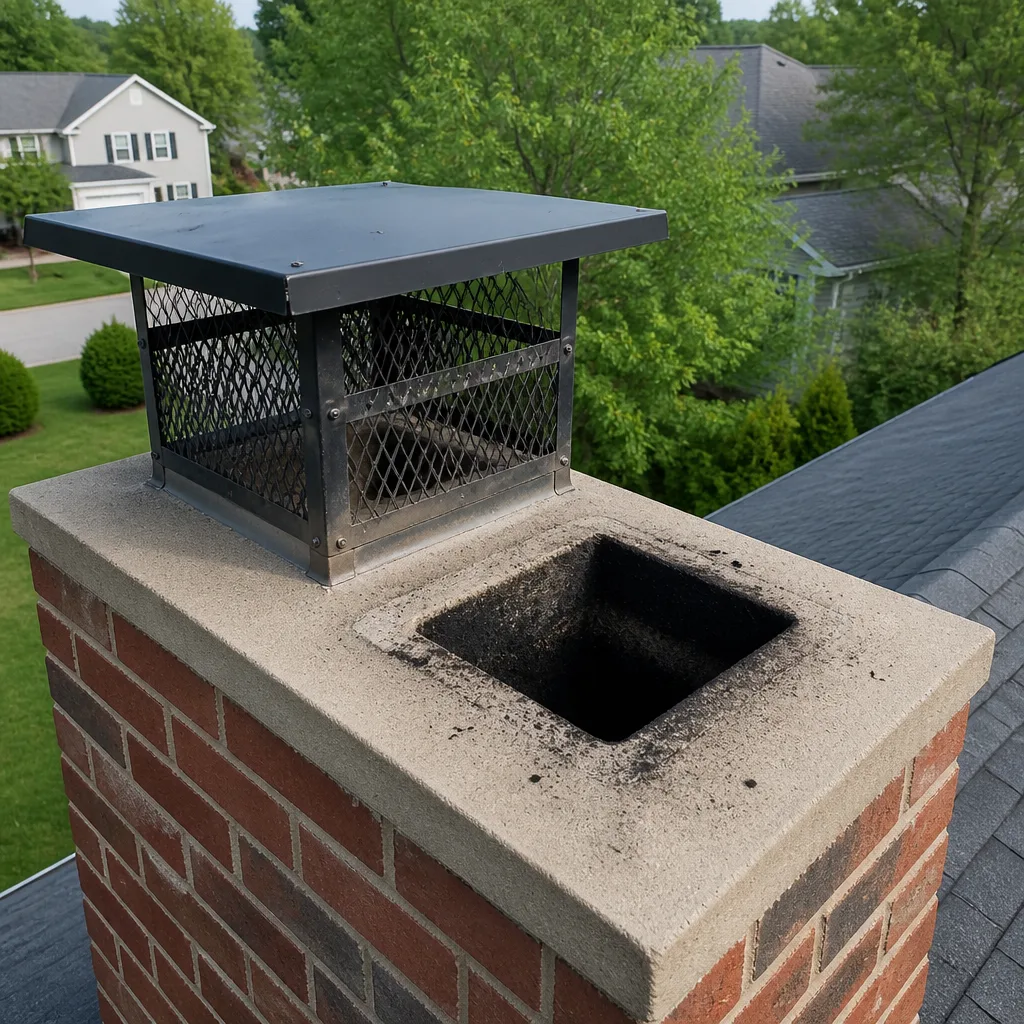 Sweep & inspection
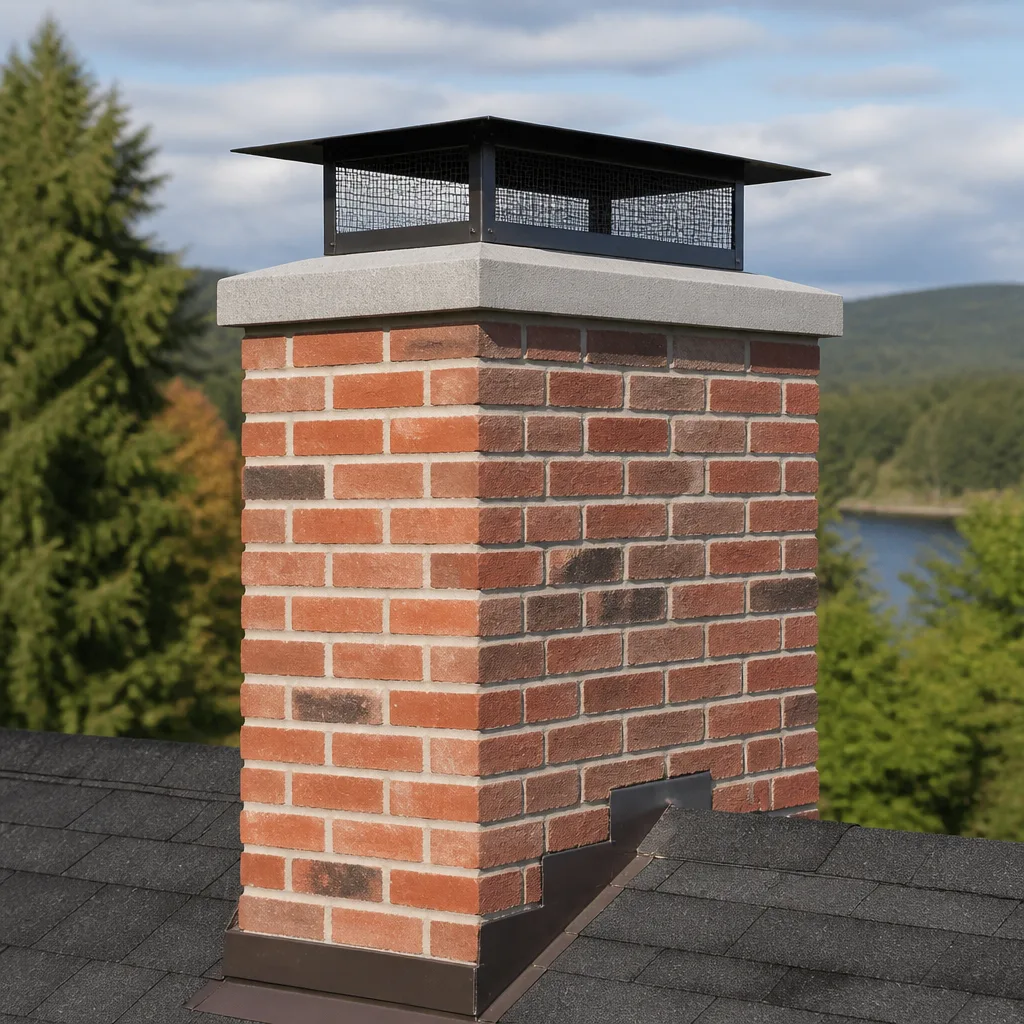 Caps & crowns
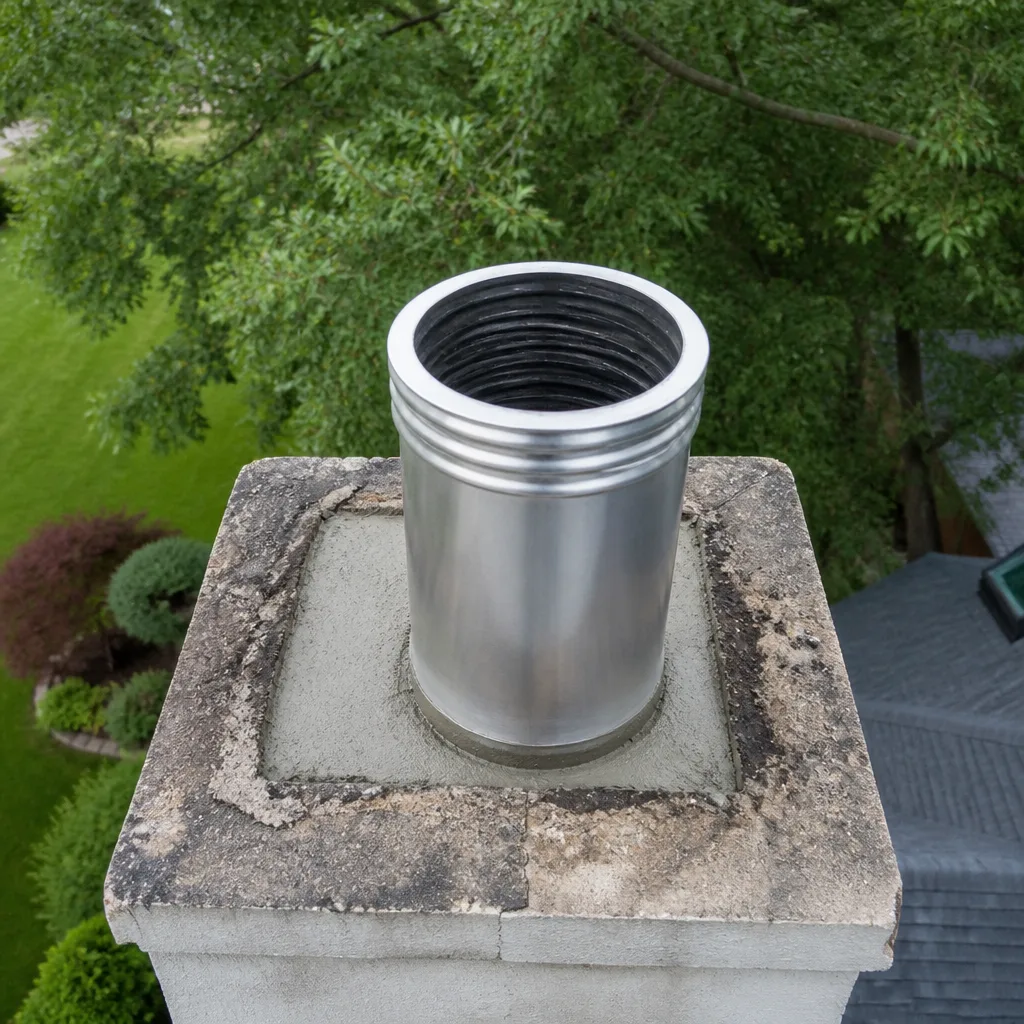 Flue relining
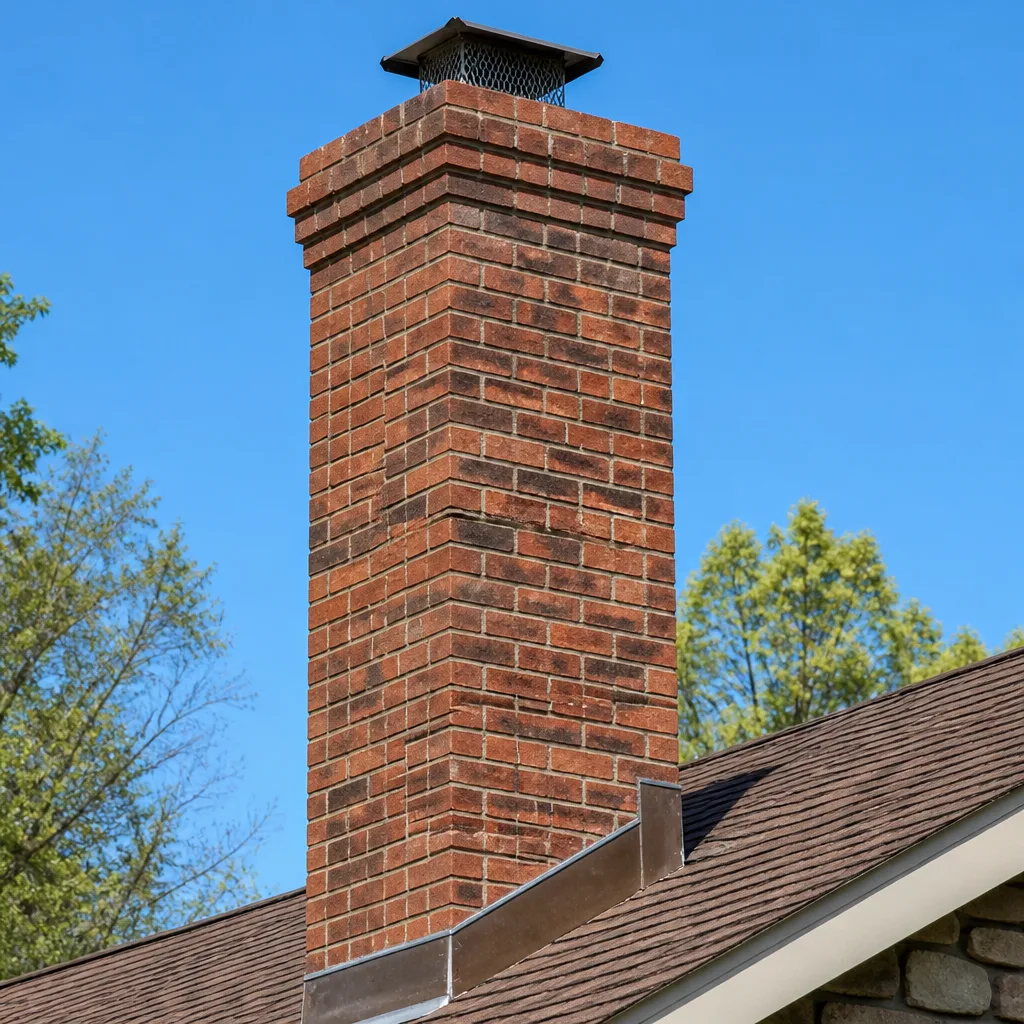 Masonry repair
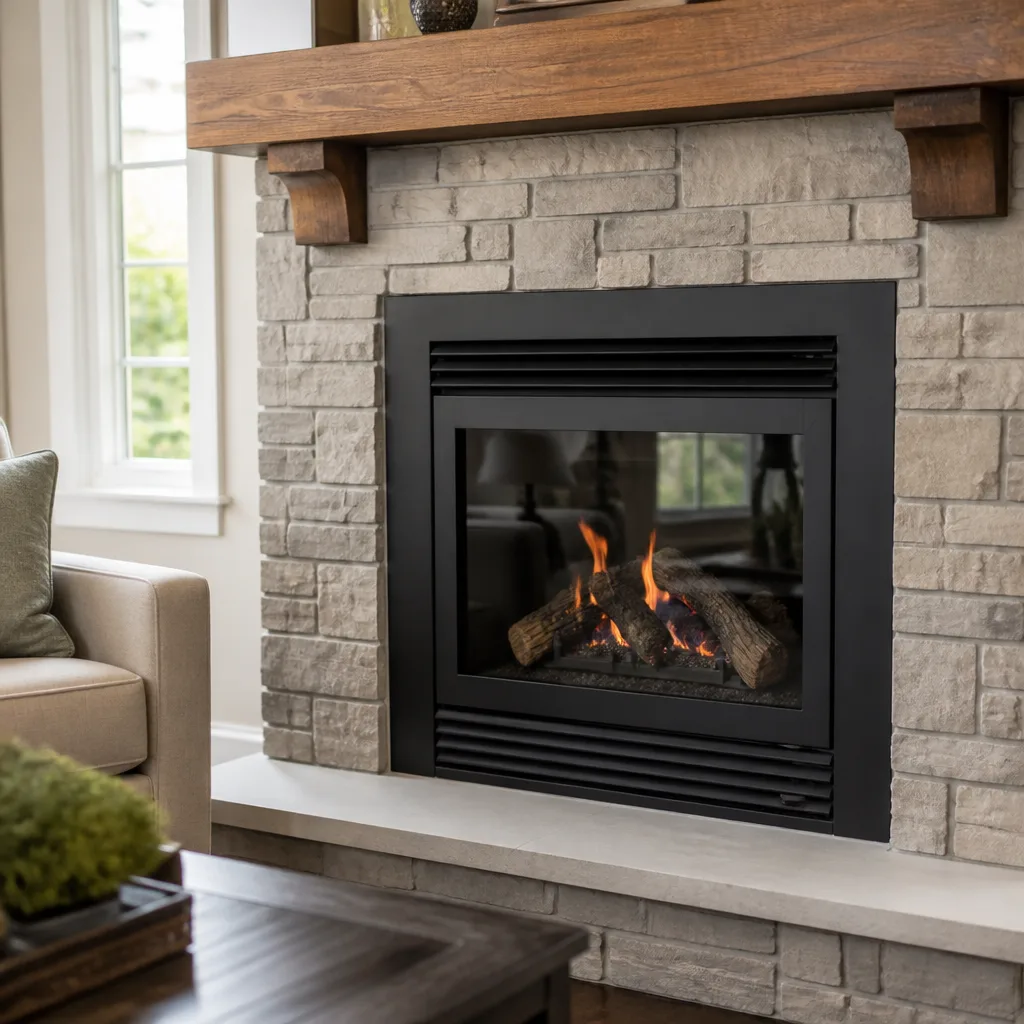 Gas fireplace service
Level 1 sweep and inspection to the NFPA 211 annual standard - flue, crown, cap, and flashing checked and photographed
Chimney sweep logs do not sweep chimneys. They loosen some creosote - which then falls where a brush and vacuum still have to collect it.
The Complete Guide to Chimney Cleaning in Marysville
Here’s a hard truth about chimney fires in the Pacific Northwest: many of them don’t happen because someone skipped a sweep. They happen because the sweep was done out of order. Creosote gets disturbed but not fully removed, a Level II inspection never happens, and a hidden defect stays hidden until the next burn season finds it. On a house in Marysville, where wet winters and shoulder-season cord wood change how creosote forms, the sequence of the work matters as much as the work itself.
This guide maps the correct sequence from inspection tier through final camera verification. We’ll cover what gets cleaned versus what gets assessed on each component, why the fuel you burn in Marysville affects the deposits left behind, and what legitimate CSIA documentation looks like when you need it. By the end, you’ll know exactly what a proper chimney cleaning in Marysville involves and how to tell a real one from a quick brush-and-go.
Quick Answer
Chimney cleaning in Marysville is a sequenced process, not a single task: a Level I or Level II inspection first, then a sweep matched to the deposit type, then a post-sweep camera check of the flue. In Western Washington’s moist climate, creosote tends to form faster and in harder forms than in dry inland climates, which is why the brush choice and the inspection tier need to be decided before anyone touches the flue. A sweep that skips the leading inspection or the closing verification leaves the real condition of your chimney unknown.
Styles & brands we work with
- Sweep & inspection
- Caps & crowns
- Flue relining
- Masonry repair
- Gas fireplace service
Table of Contents
- Why the Order of Chimney Cleaning Matters More Than Most Homeowners Realize
- How Marysville’s Climate Accelerates Creosote Formation
- The Correct Chimney Cleaning Sequence, Step by Step
- Component by Component: What Gets Cleaned and What Gets Assessed
- Cord Wood, Kiln-Dried Hardwood, and Glazed Creosote in Marysville
- What Legitimate Sweep Documentation Looks Like
- How Much Does Chimney Cleaning in Marysville Cost?
- How Often Should You Book a Sweep?
Why the Order of Chimney Cleaning Matters More Than Most Homeowners Realize
A chimney is a system that pulls air from the room, moves smoke and byproducts up the flue, and exhausts them past the crown and cap. When a sweep brushes before inspecting, two things can happen: deposits get broken loose but not fully removed from the flue, and defects that should have shaped the sweep method go unnoticed. The homeowner gets a receipt that says “swept” with no evidence of what was found or how clean the flue actually ended up.
The correct order is inspection, sweep, verification. That order isn’t administrative. It changes the work:
- Inspection first tells the technician what form of deposit is present (soot, flaky ash, or hardened Stage 3 glazed creosote) and how much of the flue is coated.
- Sweep method second means the brush, tooling, and pressure get matched to what’s actually in the flue rather than to habit.
- Camera verification third gives the homeowner visible proof of what was removed and what condition remains.
In our experience around Marysville, the skipped step is almost always the first one. A technician arrives, brushes, and leaves. Nothing is wrong with the brushing. The problem is that no one decided what should be brushed, how, and against what baseline. That’s why a proper chimney sweep begins with a decision, not a brush.
There’s a practical benefit to ordering the work correctly beyond safety. When inspection and sweep happen in the same visit, anything found in the inspection can be addressed while the system is open. A cracked flue tile or a worn damper plate gets fixed the same day instead of generating a second appointment with a second technician.
How Marysville’s Climate Accelerates Creosote Formation
Western Washington’s cool, damp winters and wet spring and fall splits produce a creosote environment that’s meaningfully different from what dry inland climates generate. Wood that isn’t fully dry doesn’t burn hot and clean. It burns unevenly, sends more moisture up the flue, and cools the smoke faster. Cool smoke lingers longer on the flue walls, and cool smoke deposits more creosote. That layering is what eventually hardens into Stage 2 flaky creosote and then, in bad cases, into Stage 3 glaze.
For Marysville homeowners, this means two adjustments to how cleaning should be done:
- Brush selection matters more. Soft, flexible brushes can handle light soot and dry ash. Hardened deposits need different tooling, including poly or wire heads selected to the flue material, and sometimes a rotary tool to break the glaze without damaging the tile.
- Frequency assumptions shift. A homeowner in a drier climate who burns clean cord wood once a week may genuinely only need an annual sweep. The same burn schedule with damp shoulder-season wood in Snohomish County can build deposits fast enough that a mid-season check is worth considering.
The rain doesn’t just wet the woodpile. It wets the chimney itself. Moisture cycling on the crown and cap, then around the flue tile, is what cracks masonry over time. The cleaning visit is often the visit that turns up masonry issues that would otherwise go unaddressed until they get expensive. When you schedule a Chimney Sweep Marysville, you’re also getting a condition report on the parts of the system that rainfall has been working against.
This is where the brand portfolio we work with matters. We specify DuraFlex flexible liner systems because the product is designed for code-compliant relining of complex or aging flue configurations, including the offset flues common in older Snohomish County houses. When the inspection shows the flue has moved beyond cleaning, the same visit can start a conversation about a proper reline.
The Correct Chimney Cleaning Sequence, Step by Step
This is the sequence a legitimate chimney cleaning follows, in order. It’s the same sequence whether the job turns out to be routine or whether it opens up into a repair.
- Pre-inspection setup. Drop cloths, sealing, and a look at the firebox, damper, smoke chamber, flue, crown, and cap from below and above. The technician notes what they see before touching the flue.
- Level I or Level II determination. A Level I visual inspection covers readily accessible parts of the chimney, and is generally appropriate when the system hasn’t changed and no problems are suspected. A Level II inspection goes further, using a camera to look inside the flue itself, and should happen after a chimney fire, after a change in fuel type, when a new appliance is connected, or when the property changes hands.
- Sweep method selected. Deposit type determines brush and tooling. Soot and light ash get a flexible brush. Flaky creosote gets a firmer head. Hardened glaze may need a rotary tool or a chemical pre-treatment to soften it before brushing.
- Sweep from the top and bottom. Working top-down and bottom-up covers the flue fully, and lets the technician feel the flue walls for damage the camera might miss.
- Smoke chamber and firebox cleaned. Smoke chambers collect deposits out of sight. Cleaning through the damper and around the smoke shelf gets them out.
- Camera verification. A camera run up the flue after cleaning documents the result. This is the step that turns a sweep into evidence.
- Photo report and written findings. The homeowner gets a report that says what the flue looked like before, what it looked like after, and what remains to watch.
Steps 1, 2, and 6 are the ones commonly skipped by quick-service operations. If a technician arrives with a brush and no camera, the sequence is already incomplete. Our technicians have up to 10 years of experience, and the technician who does the inspection is the same specialist who performs the sweep and any repair found during the visit. No handoff.
Sweeps, inspections, cap and crown work, and chimney repair all come from one relationship. That matters in Marysville because the same wet climate that drives creosote buildup also drives crown and cap wear, and the two problems often come up in the same visit.
Component by Component: What Gets Cleaned and What Gets Assessed
Every part of the chimney system is involved in a proper cleaning. Some parts get physically cleaned. Some parts get assessed. Some parts get both. Knowing the difference helps you read a report accurately.
Firebox
Cleaned. Ash, soot, and leftover creosote from the burning season are removed. The firebox walls and floor are then inspected for cracks, spalling, or mortar loss. Damaged firebox brick can let heat reach surrounding framing, which is why this assessment matters as much as the cleaning.
Damper
Assessed and cleared of debris. A damper that won’t open fully, opens too easily, or has a rusted or bent plate is a real performance problem. The seal between the damper and the smoke chamber is checked during the cleaning.
Smoke Chamber
Cleaned. The smoke chamber’s sloped walls pull deposits out of sight, and they’re often the dirtiest part of the system. Any gaps or deterioration in the smoke chamber parging get noted during this step. HeatShield ceramic resurfacing is a method we can apply here when the chamber has deteriorated but the structure is still sound, extending its service life without rebuilding.
Flue Liner
Cleaned and inspected. The flue is the primary path for exhaust, and the state of the flue liner determines whether the system is safe to use. Cleaning removes deposits. Inspection looks for cracks, gaps, spalling, and glaze. Camera verification after the sweep documents the liner’s condition as it stands. When the liner can’t be cleaned to a safe standard, a DuraFlex flexible liner is a specification-grade option for relining complex or aging flue configurations.
Crown
Assessed, and cleaned of surface moss or debris where needed. The crown is the concrete or mortar cap on top of the chimney that sheds rainwater away from the flue. In Marysville’s wet climate, crown cracks are a common source of moisture intrusion into the chimney structure. Small cracks can often be sealed. Larger failures need crown repair.
Cap and Spark Arrestor
Assessed and cleared. The cap keeps rain, birds, and debris out of the flue. A clogged or damaged cap reduces draft. Missing spark arrestors are noted for replacement. Gelco and Copperfield supply the components for cap replacement and custom fits.
Handling these as one system in one visit is the difference between a cleaning that protects the house and one that just looks like it did. Found during inspection, repaired the same visit.
Cord Wood, Kiln-Dried Hardwood, and Glazed Creosote in Marysville
What you burn determines what gets deposited on your flue walls. That fact is not controversial in the chimney trade, but the details matter more in Western Washington than most homeowners realize.
Kiln-dried hardwood is dried in a kiln to a low moisture content before it’s sold. It burns hot and clean, sends less water vapor up the flue, and produces less creosote per hour of burning. Cord wood that’s been split and stacked but not fully dried in Marysville’s climate often still carries meaningful internal moisture, especially when it was split in the wet season. When that wood burns, the extra moisture cools the smoke, and cool smoke deposits creosote faster and in harder forms.
The shoulder-season burn is where this bites hardest. A homeowner burning wet spring or fall splits in a cool fire to take the chill off the house is creating ideal conditions for glazed creosote. Small, cool, smoldering fires with wet wood put more deposit on the flue than a hot, well-aired burn. Over a season, that’s the difference between a flue that brushes clean and a flue that needs tooling to break the glaze.
What to do about it:
- Buy cord wood a full season ahead when you can, and stack it covered but with airflow so it dries.
- Split thicker pieces smaller, since drying goes faster through thinner wood.
- Burn hot, well-aired fires rather than long smolder cycles in shoulder seasons.
- If your wood has been wet, assume the flue has more deposit than usual and check it.
We can only remove what we can see and reach, and the deposit type is what dictates the tooling. A homeowner in Marysville who burns wet shoulder-season cord wood should expect a different sweep than a homeowner burning only kiln-dried hardwood, and a sweep that doesn’t adjust for that is a sweep that leaves something behind.
What Legitimate Sweep Documentation Looks Like
CSIA-certified documentation is what a proper sweep leaves behind. It’s a written record of the inspection, the sweep, and the condition of the system. It’s also the document that supports a homeowner insurance claim in Washington if a chimney fire or flue failure ever requires one.
What legitimate documentation includes:
- Date of service and description of what was performed. “Swept” alone isn’t enough. A proper record specifies the inspection tier, the sweep method, and the areas cleaned.
- Condition findings before and after. Written notes on the firebox, damper, smoke chamber, flue, crown, and cap as observed.
- Photo or camera evidence. Before-and-after images from the flue, plus photos of any defects found.
- Recommendations with priority. What should be addressed now, what should be watched, and what can wait.
- Technician identification and credentials. Who performed the work, and what certification they hold.
Why documentation matters for insurance in Washington: if a chimney fire occurs and the carrier asks whether the system was maintained, the maintenance record is the answer. Without one, the claim becomes a matter of argument. With one, it’s a matter of fact. Homeowners who treat their fireplace as a safety obligation rather than a chore usually understand this point already.
What documentation does not do is certify the condition of a chimney forever. A sweep report describes the system on the date of the sweep. The next burn season adds new deposits. The report is a baseline, not a guarantee.
What’s not included is as informative as what is. A sweep that leaves a homeowner with a handwritten receipt and no photo evidence is not proper CSIA documentation, even if the person doing the work is technically capable. The paperwork is the proof.
How Much Does Chimney Cleaning in Marysville Cost?
A chimney cleaning in Marysville typically runs as a per-job service priced by written estimate, with the specific number depending on the flue configuration, the deposit type, and whether the visit opens into inspection-only, sweep-only, or sweep-plus-repair. We don’t quote to a fee schedule because the condition of the system is what sets the work. Call (877) 792-7047 for an exact quote. Estimates are free.
What drives the price up or down, in plain terms:
- Level of inspection. A Level I visual inspection and a Level II camera inspection are not the same scope of work.
- Deposit type. Light soot and ash sweep clean. Hardened Stage 3 glaze takes tooling and time.
- Flue configuration. Straight flues are simpler than offset configurations, which is common in older Snohomish County stock.
- Roof access and cap condition. A cap that needs work as part of the visit adds scope.
- Anything found. A crown crack, a damaged flue tile, or a worn damper that gets addressed in the same visit.
The written estimate sets the final price, and we don’t recommend work without camera evidence you can see for yourself. When a repair can safely wait until the next season, we say so. If a problem turns out to be minor, we tell you that too, because the point of the visit is an accurate report, not a bigger bill.
| Item | Typically priced by | What affects it |
|---|---|---|
| Routine sweep (soot and ash deposits) | Per-job written estimate | Flue length, access, number of flues |
| Inspection (Level I or Level II) | Per-job written estimate | Camera verification, documentation depth |
| Sweep with hardened creosote removal | Per-job written estimate | Deposit type, tooling required |
| Cap or crown assessment and minor repair | Per-job written estimate | Materials, scope of repair |
| Repair found during inspection | Per-job written estimate | What was found, method selected |
How Often Should You Book a Sweep?
Most guidance in the chimney trade suggests an annual inspection and a sweep whenever the inspection shows the flue needs it, which for many households means roughly once a year of active burning. In Marysville, where the burn season is long and the wood can carry extra moisture, the annual baseline is a safer starting point than assuming you can stretch the interval.
Book a sweep sooner than the annual baseline if any of these apply:
- You’ve burned wet or unseasoned cord wood through a shoulder season.
- The fire has visibly smoked more than usual, or the draft feels weaker than last year.
- You’ve had a chimney fire, even a small one, at any point.
- You’ve changed fuel type, added a stove insert, or connected a new appliance.
- The house changed hands and the last sweep report is missing or undated.
- A cap or crown was damaged, replaced, or has never been checked.
- You smell smoke in the room when the fireplace is lit.
What happens if a sweep gets skipped is mostly a matter of time. Creosote deposits thicken, draft weakens, and the flue liner works harder than it should. The best time to catch that is before the deposit hardens, which is exactly why the sequence in this guide matters. The fireplace repair that comes from a deferred sweep tends to be more involved than the sweep itself would have been.
Common Mistakes to Avoid
- Skipping the inspection tier. A sweep without an inspection is a guess about the flue condition, and the wrong guess is costly. If the system hasn’t changed and no problems are suspected, a Level I is appropriate. After a fire, a fuel change, or before buying a house, a Level II is the correct choice.
- Using the same brush for every flue. Soot, ash, flaky creosote, and glazed creosote need different tooling. In Marysville’s climate, deposits regularly include more than one type in the same flue.
- Burning damp shoulder-season cord wood without checking the flue. Wet wood creates a deposit profile that a routine annual assumption may miss. If you’ve burned wet wood, treat the sweep as due, not optional.
- Accepting a written report with no photos. Camera evidence is the difference between a description of the work and proof of it. If you can’t see the flue’s before-and-after condition, you can’t verify the sweep was complete.
- Ignoring a cracked crown because the fire “still works.” A crown crack lets water into the chimney structure, and masonry damage in Western Washington weather doesn’t stay small. Crown and cap are part of the system, not decoration.
- Hiring a sweep who can’t address what’s found. A sweep-only operation has to hand off to a different contractor for repair, and that handoff is where information and accountability get lost.
- Filing insurance paperwork without a maintenance record. If a chimney fire or liner failure ever comes up, the CSIA documentation from prior sweeps is what supports the claim.
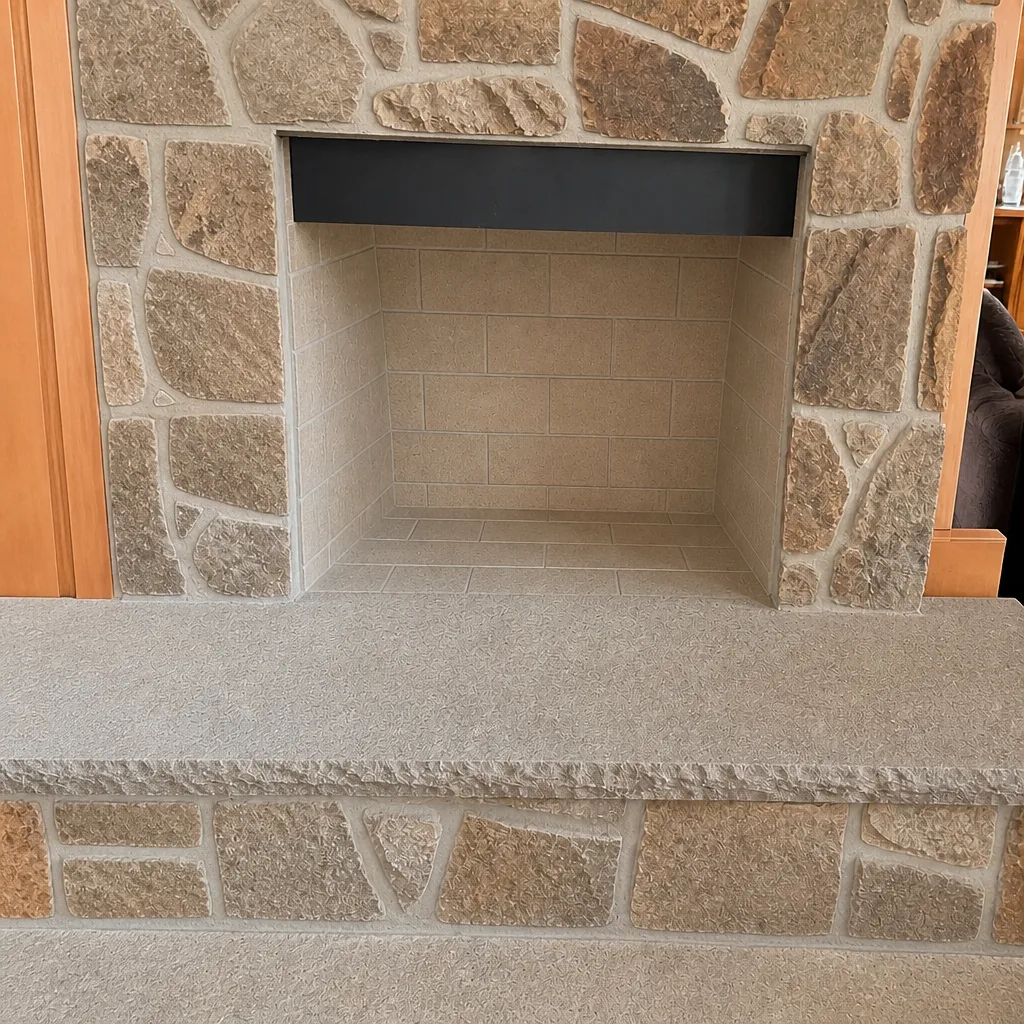
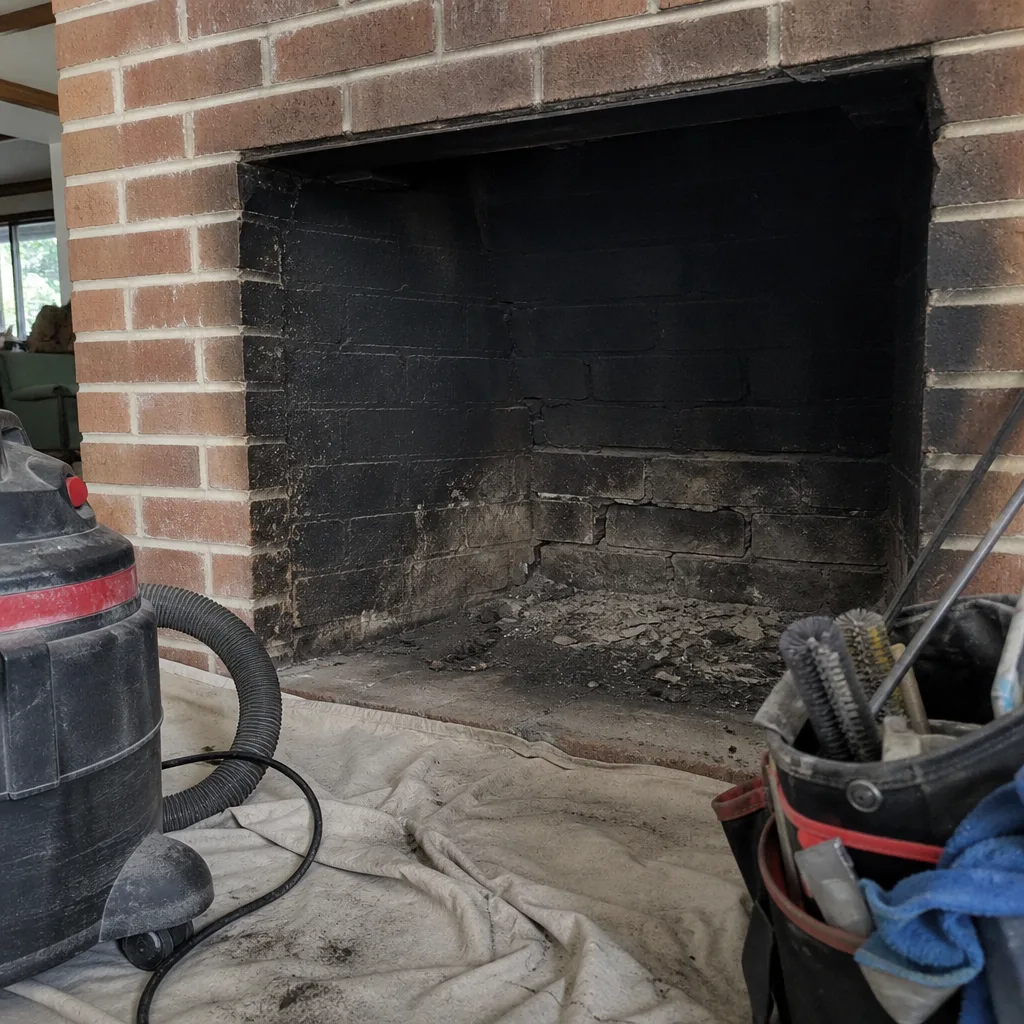
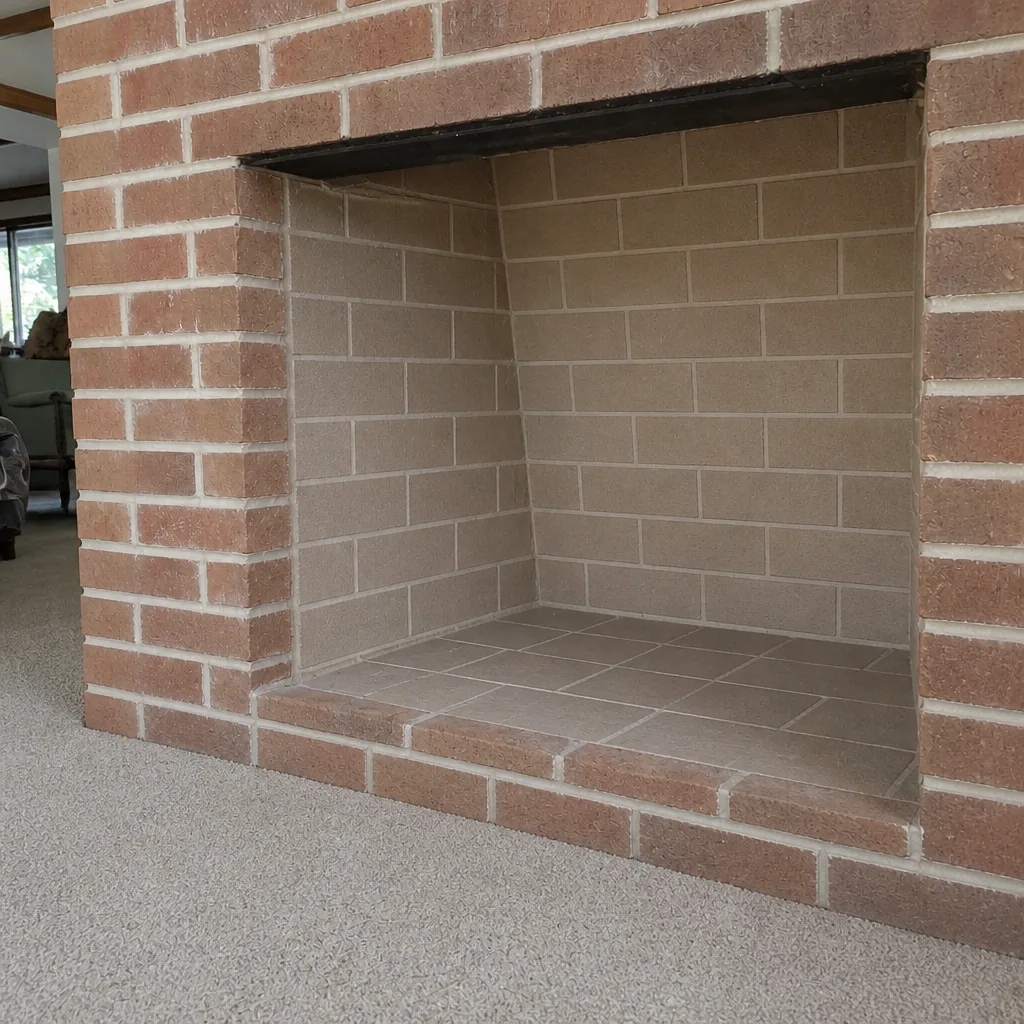
See the difference
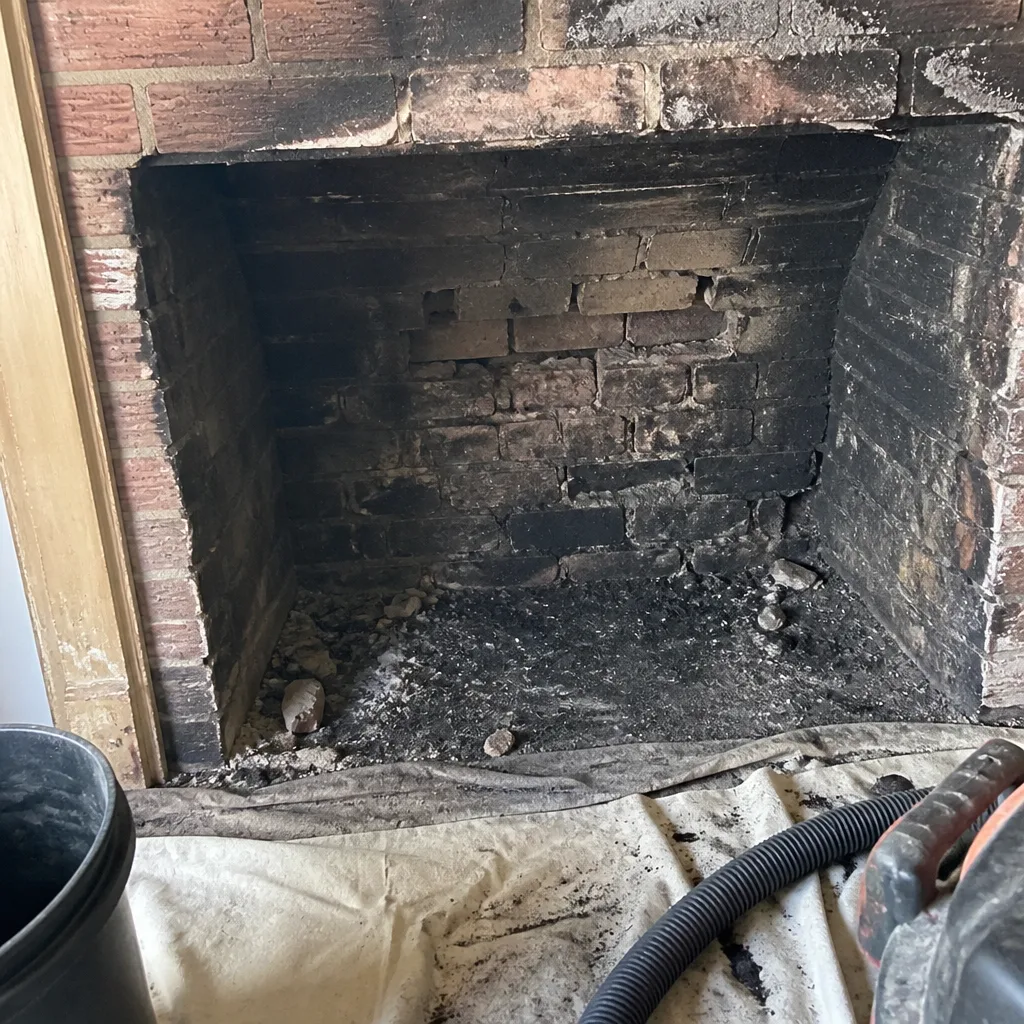 Before
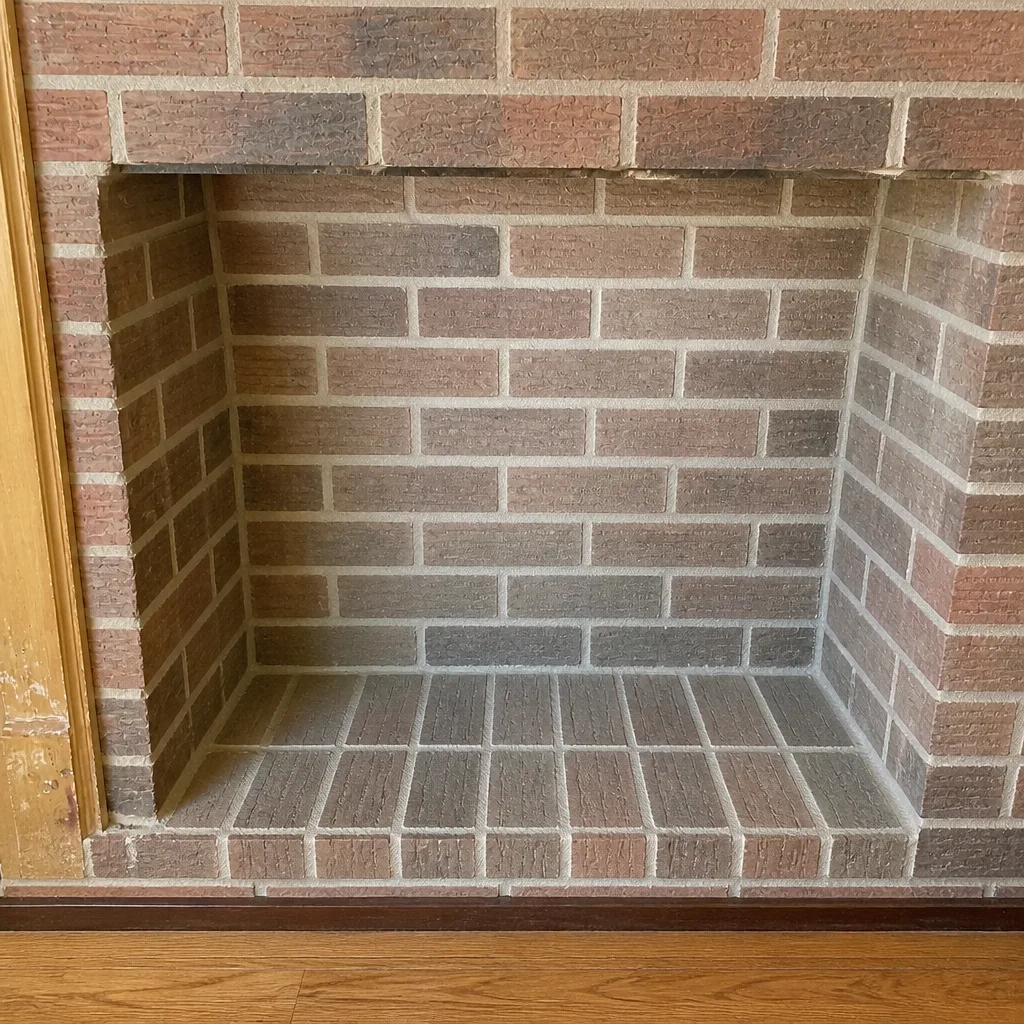 After
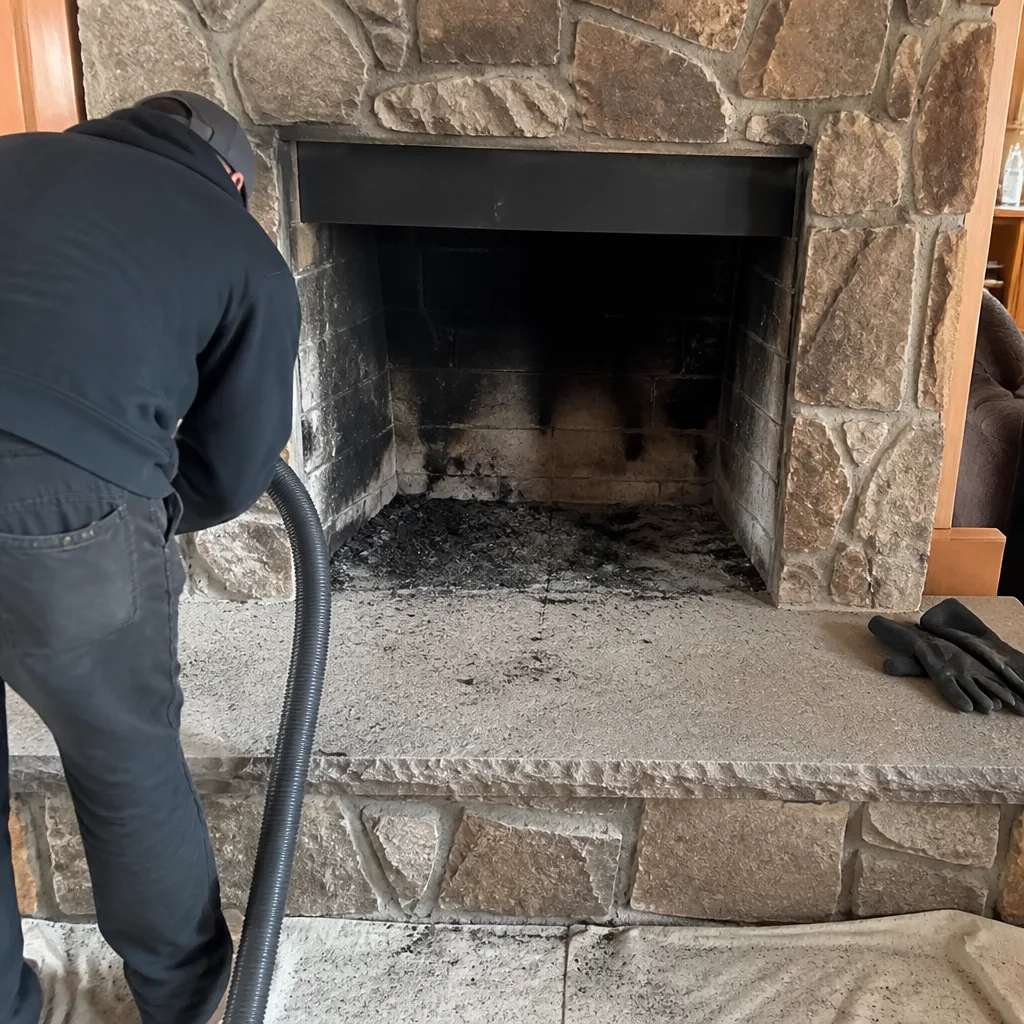 Before
 After
 Before
 After
When to Call a Professional
Call a professional when the decision about the flue is beyond what you can safely assess. That includes any time you’ve had a chimney fire, noticed smoke in the room while burning, smelled a burnt or chemical odor after the fire goes out, seen visible deposits on the flue from below, or noticed spalling or cracking on the crown or masonry. Those are conditions that need a camera inspection and a written report, not a DIY brush.
High-tension liners, damaged flue tiles, and masonry that involves the crown or structural height are not homeowner-safe work. A trained technician on a properly set ladder or from the roof is the right call.
Chimney Sweep Marysville offers free estimates in Marysville. Call (877) 792-7047. We answer 24/7. Fast dispatch from 7am to 7pm, Sunday through Friday.
Frequently Asked Questions
A chimney cleaning in Marysville is priced per job by written estimate, with the final number depending on the flue configuration, the deposit type, and the inspection tier needed. The estimate is free, and the written estimate sets the final price. Call (877) 792-7047 for an exact quote.
Most of the time, no. A damaged liner can often be restored rather than replaced, and HeatShield ceramic resurfacing is the method we use for that. A full reline with a DuraFlex flexible liner is the right call when the existing liner can no longer be cleaned to a safe standard, when the flue configuration requires an offset-tolerant liner, or when the liner has failed structurally. Nothing is recommended without camera evidence you can see for yourself. Call (877) 792-7047 for an exact quote.
Annually is the safe baseline in Marysville, though a homeowner burning wet shoulder-season cord wood should consider checking the flue more often. If you’ve had a chimney fire, changed fuel type, or added an appliance, book a Level II inspection before the next burn season. Call (877) 792-7047 for an exact quote.
Creosote deposits thicken and harden, draft weakens, and the risk of a chimney fire rises. A cracked or worn flue tile that would have been caught during an inspection goes unnoticed longer. Nothing bad has to happen immediately for the skip to matter; the deposits keep building underneath. Call (877) 792-7047 for an exact quote.
Legitimate documentation includes the date, the inspection tier performed, before-and-after condition findings, photo or camera evidence of the flue, prioritized recommendations, and technician credentials. It matters in Washington because it’s the maintenance record a homeowner insurance carrier may ask for after a chimney fire or flue event.
Yes. The technician who performs the inspection is the same specialist who performs the repair, so a crown crack, a damaged cap, or a smoke chamber in need of resurfacing can be addressed the same visit. That’s what “found during inspection, repaired the same visit” means in practice.
The Bottom Line
The thing that separates a chimney cleaning that protects the house from one that just looks like it did is sequence. Inspection first, then a sweep matched to the deposit type, then camera verification, then documented findings. In Marysville’s wet climate, that sequence is more valuable than in a drier market because the deposits are harder and the crown and cap take more punishment from rain. If you take one thing from this guide, take this: the order of the work is the work. We specify specification-grade brands like DuraFlex, HeatShield, Gelco, and Copperfield because that supply-chain access is what lets us handle repairs that a sweep-only operation would have to hand off. Your flue liner, cap, crown, and firebox, handled as one system, one visit, one relationship.
Call (877) 792-7047 for a free estimate. We answer 24/7. Fast dispatch from 7am to 7pm, Sunday through Friday. Closed Saturday.
Written by the team at Chimney Sweep Marysville.