
Last updated November 25, 2026
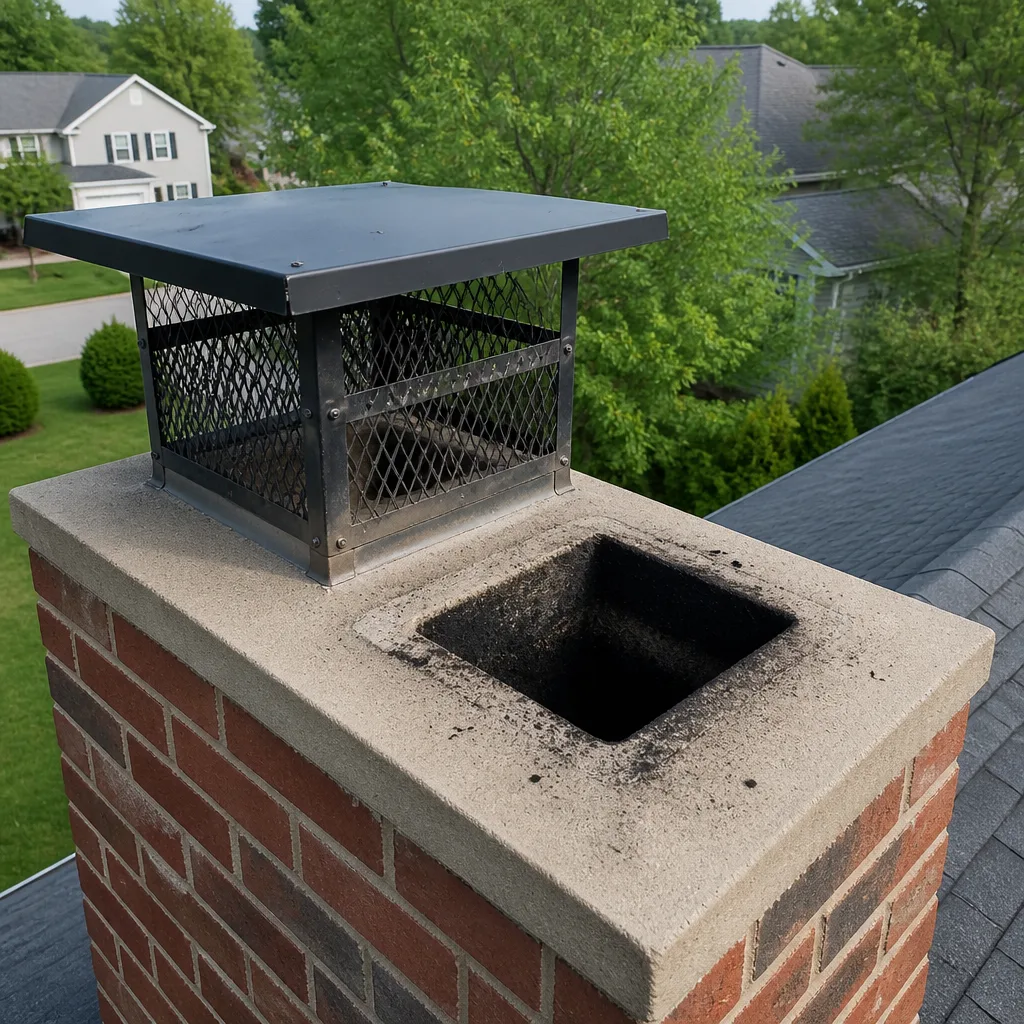 Sweep & inspection
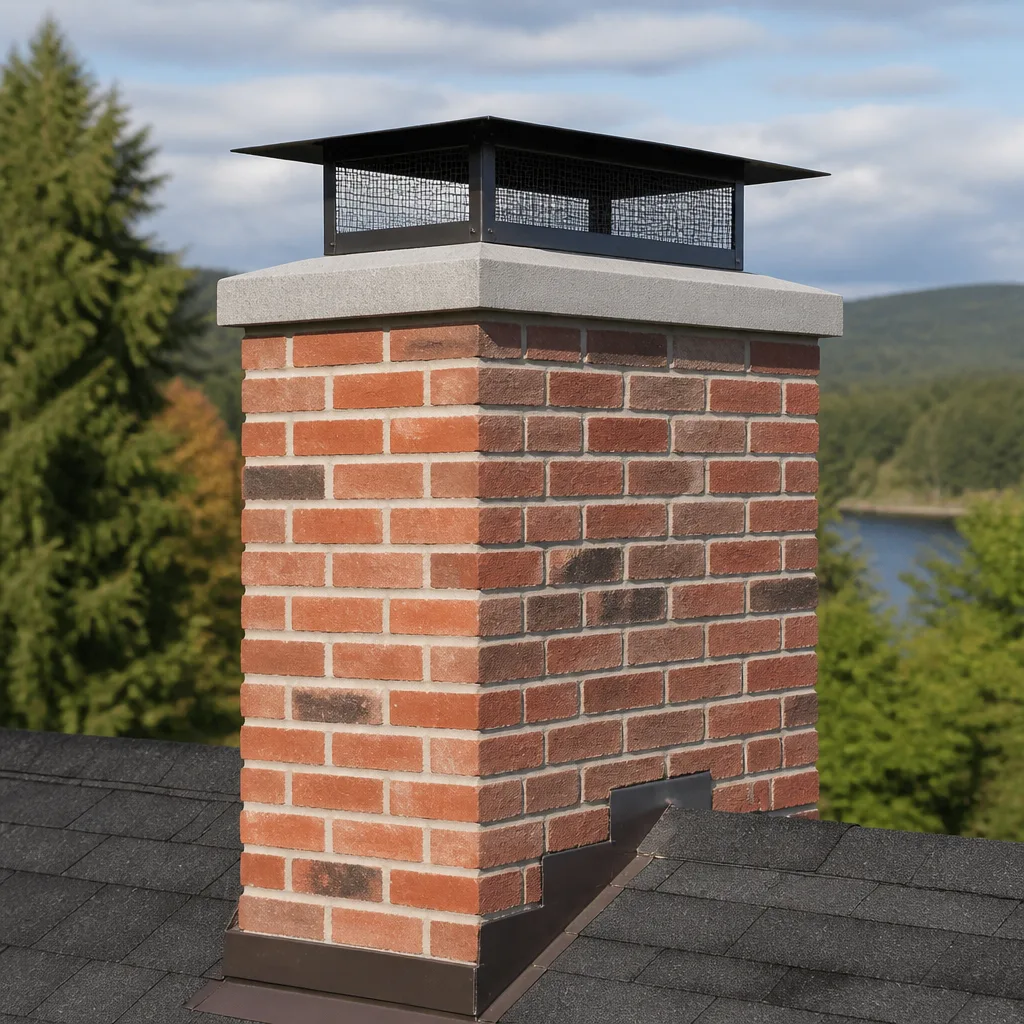 Caps & crowns
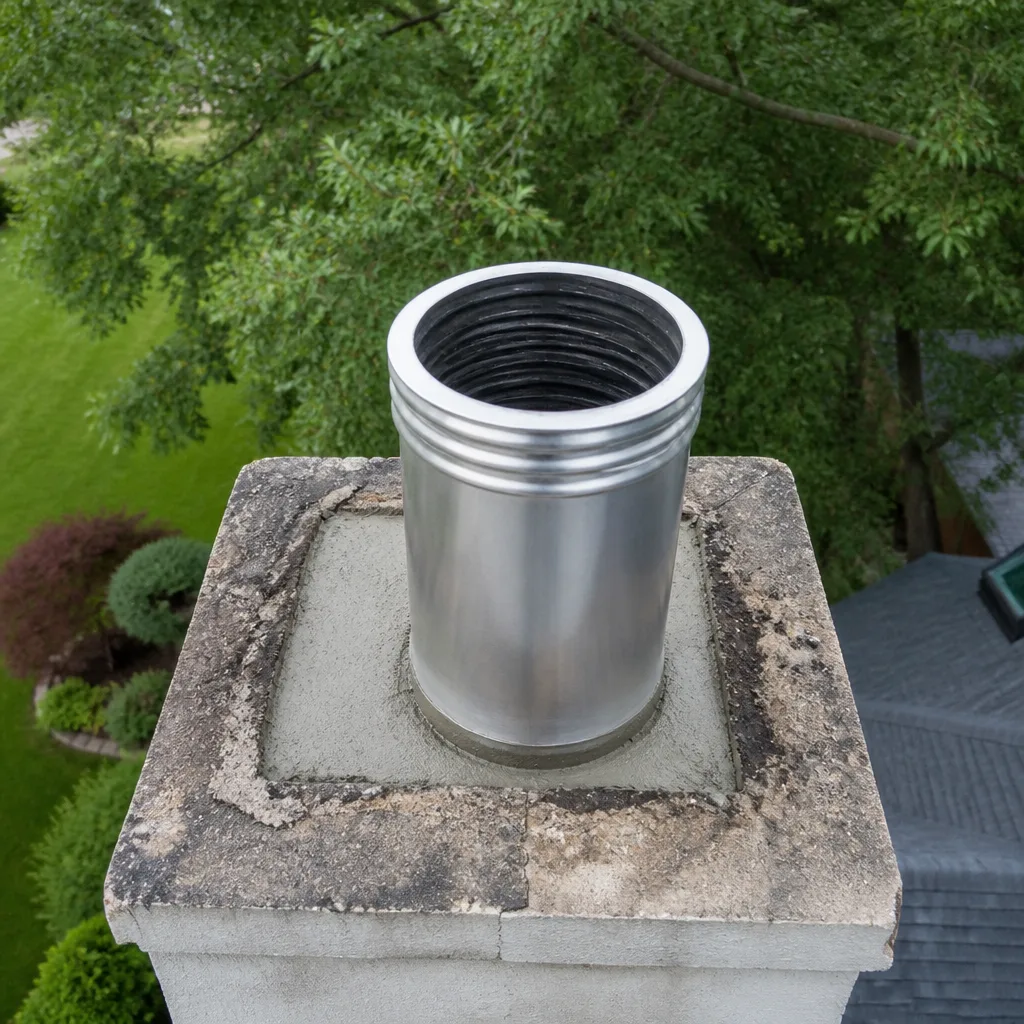 Flue relining
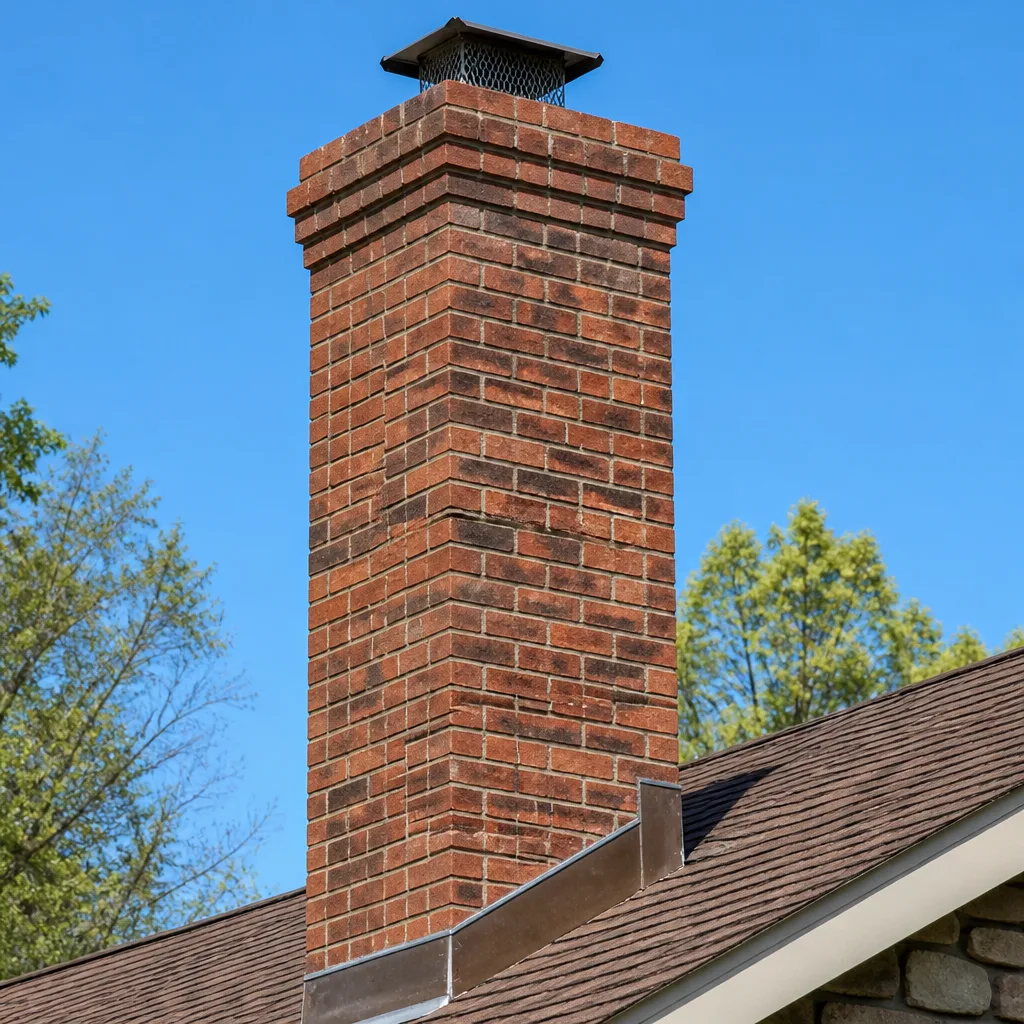 Masonry repair
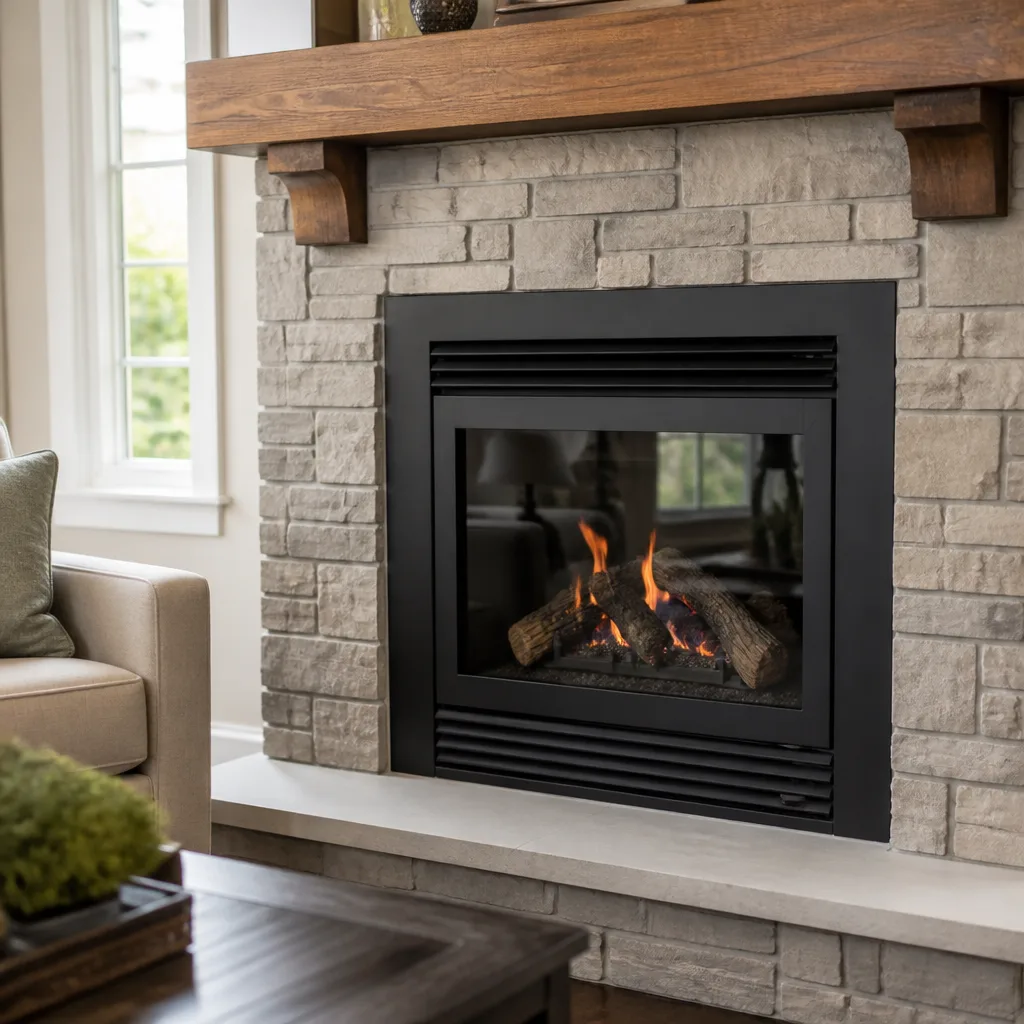 Gas fireplace service
Level 1 sweep and inspection to the NFPA 211 annual standard - flue, crown, cap, and flashing checked and photographed
Chimney sweep logs do not sweep chimneys. They loosen some creosote - which then falls where a brush and vacuum still have to collect it.
How to Hire a Chimney Cleaning Contractor in Marysville: A Step-by-Step Guide
The license on the truck tells you almost nothing. Washington State doesn’t issue a chimney-specific license, so a general contractor’s registration is enough for someone to legally arrive at your door with a brush and a ladder. That means the usual shortcut – checking for a license and calling it good – filters out almost nobody in the Marysville market. The real work is knowing which certifications to verify, which insurance questions to ask before you schedule, and which quote line items actually mean something. This guide walks you through all of it, from the first phone call to reading the final report.
Quick Answer
Hiring a chimney cleaning contractor in Marysville means verifying CSIA certification on the Chimney Safety Institute of America’s public database, confirming general liability coverage with a chimney-specific fire damage endorsement plus workers’ comp, and insisting on a post-sweep camera inspection with a written report before anyone recommends liner work. A legitimate sweep can show you video evidence of what they found. If they can’t or won’t, that’s your answer.
Styles & brands we work with
- Sweep & inspection
- Caps & crowns
- Flue relining
- Masonry repair
- Gas fireplace service
Table of Contents
- Why Washington Has No Chimney-Sweep License
- CSIA vs. NFI vs. No Certification: What Each Actually Means
- The Three Insurance Questions to Ask Before Scheduling
- Red Flags Specific to Low-Bid Sweeps
- How to Read a Chimney Quote Line by Line
- Questions That Reveal Real Field Experience
- Marysville Climate, Housing Stock, and What It Means for Your Chimney
- Common Mistakes to Avoid
- When to Call a Professional
- Frequently Asked Questions
Why Washington Has No Chimney-Sweep License
Washington State registers general contractors, but it doesn’t issue a license specific to chimney sweeping. That regulatory gap is the single biggest reason hiring here takes more care than hiring an electrician or a plumber. Anyone holding a valid general contractor registration can legally market chimney cleaning, and the registration doesn’t test for creosote knowledge, flue geometry, or combustion safety.
What this means in practice: the license check you’d normally do is a floor, not a ceiling. It confirms the contractor is registered and bonded. It tells you nothing about whether they know the difference between Stage 1 and Stage 3 creosote, whether they own a rotary system capable of removing glazed deposits, or whether they’ve ever seen an offset flue in a 1940s Marysville bungalow.
The chimney trade has its own credentialing bodies, and those are the ones that matter. Where a license won’t separate a specialist from a handyman who added sweeping to the service list, certification will. The screenings below are how you close that gap.
What the state registration does confirm
- The contractor is registered with the Washington State Department of Labor & Industries.
- There’s a bond and insurance on file at the state level, though the amounts may be modest.
- You have a recourse path through L&I if the work goes badly and the contractor won’t make it right.
None of that tells you whether the person on your roof knows what they’re looking at. For that, you need the next section. If you’d rather skip ahead to booking a vetted sweep, our Chimney Sweep Marysville page lays out what a proper visit includes.
CSIA vs. NFI vs. No Certification: What Each Actually Means
CSIA certification is the industry standard for chimney sweeps. The Chimney Safety Institute of America runs a proctored exam covering codes, venting, combustion, and inspection standards, and it requires continuing education to maintain. NFI certification is a different credential from the National Fireplace Institute, focused on hearth appliance installation and venting rather than sweeping. Both are meaningful. Neither is legally required in Washington.
Here’s how to tell them apart and verify each:
- CSIA Certified Chimney Sweep. Verify the individual’s name or the company name on the CSIA’s public “Find a Chimney Professional” database. The listing shows the certificant’s status and location. If the contractor claims CSIA certification and isn’t in that database, the claim is false.
- NFI Certified Specialist. Verify on the National Fireplace Institute’s public locator. NFI certifications are broken out by fuel type (gas, wood, pellet), so check that the certification matches your appliance.
- No certification. Plenty of capable people sweep chimneys without a certification, and plenty of incapable ones do too. Without a credential you have no independent way to judge competence, so the rest of your screening – insurance, references, the field questions below – has to carry all the weight.
One more credential worth asking about by name: HeatShield certification. HeatShield is a ceramic resurfacing system used to repair damaged flue liners without a full reline, and applying it requires product-specific training. A contractor who’s certified to apply HeatShield can often save a homeowner from a reline that isn’t necessary. A contractor who isn’t certified can only sell you the reline.
A CSIA-certified sweep is also trained to inspect to a standard – the NFPA 211 Standard for Chimneys, Fireplaces, Vents, and Solid Fuel-Burning Appliances. Ask any contractor which inspection standard they work to. A blank look is informative.
The Three Insurance Questions to Ask Before Scheduling
Chimney work happens on your roof, involves open flame residue, and can result in a fire if done wrong. The insurance questions below aren’t paranoia – they’re the specific coverage types that matter for this trade. Ask them before you book, and ask for the certificate of insurance to be emailed, not just the verbal yes.
1. What’s your general liability limit?
Ask for the number, not just “we’re insured.” A small operation may carry a $300,000 limit; a serious one typically carries $1 million or more. The number isn’t a quality score by itself, but a contractor who won’t state it is a contractor who may not have it. A drop of a rotary tool or a dislodged cap can damage your roof, your gutter, or the chimney itself.
2. Does your policy include fire damage related to chimney work?
This is the one most homeowners skip. General liability may exclude fire damage arising from heating appliances or chimney work. Ask specifically whether the policy covers fire damage to the structure from their work, and get the answer in writing. If a sweep leaves creosote in a way that later ignites, this is the coverage that matters.
3. Is everyone who sets foot on my roof covered by workers’ comp?
If a technician falls off your roof and isn’t covered by workers’ comp, the claim can come to you as the property owner. In Washington, workers’ comp coverage runs through the Department of Labor & Industries. Ask for the L&I account number or a certificate of coverage. This applies to subs and helpers too, not just the person who books the job.
Any contractor who can’t produce certificates for all three is a contractor you shouldn’t hire, regardless of price. The worst-case cost of a fire or an injury dwarfs anything you’d save on a low bid.
Red Flags Specific to Low-Bid Sweeps
Low bids in this trade usually aren’t cheaper – they’re priced with the repair upsell built in. The sweep is a loss leader, and the profit comes from a liner replacement sold at the kitchen table. Here’s what separates a legitimate sweep from a sales visit.
The skipped post-sweep camera inspection
A proper sweep ends with a video scan of the flue, from the firebox up through the cap. It’s how the technician confirms the creosote is actually gone and how they see the liner condition. A sweep who doesn’t run a camera after cleaning has no evidence of anything, including their own work.
No written report
A professional inspection produces a written report, typically following one of three levels (Level 1, Level 2, or Level 3 under NFPA 211). The report documents what was found, what was done, and what if anything needs follow-up. If you don’t get a written report, you have no record of the chimney’s condition and no way to compare it next year.
Liner replacement before you’ve seen the video
This is the one to watch for hardest. If someone schedules a cleaning and then tells you the liner is shot and needs replacement before you’ve seen the camera footage, the diagnosis is theirs, not yours. A legitimate contractor shows you the video – the cracked tile, the gap in the flue, the spalled mortar – and explains why it’s a problem before quoting anything. We do this on every job: found during inspection, repaired the same visit, only after the homeowner has seen what we saw. When the video shows damage that can safely wait a season, we say so.
Other signs
- An unusually low flat rate that’s advertised as “the only price you’ll pay” – because a cleaning isn’t the only thing they plan to sell.
- No mention of certification, insurance, or an inspection standard.
- A quote that lumps cleaning, inspection, and “safety service” into one line item with no breakdown.
- Pressure to sign on the visit, with a same-day discount that expires when they leave.
How to Read a Chimney Quote Line by Line
Cleaning, inspection, and restoration are three different billable services, and the quote should separate them. A quote that treats them as one bundled price tells you nothing about what you’re actually buying. Here’s what each line item should mean.
Cleaning (sweep)
The mechanical removal of creosote, soot, and debris from the flue, firebox, and smoke chamber. A proper cleaning includes floor protection, a drop cloth, and vacuum containment soot doesn’t migrate into the room. If the quote says “cleaning” without describing what’s cleaned, ask.
Inspection
A visual and camera-based assessment of the chimney system’s condition. Inspections are usually priced separately from the sweep, and the level should be stated on the quote:
- Level 1: Visual inspection of readily accessible components, no camera required for most configurations.
- Level 2: Includes video scan of the flue interior; required after a chimney fire, after a change of appliance, or when a property changes hands.
- Level 3: Includes removal of parts of the chimney to inspect concealed areas; typically triggered by a Level 2 finding.
Restoration / repair
Anything beyond cleaning and inspection – relining, cap and crown work, firebox repair, mortar joints, HeatShield ceramic resurfacing. Restoration lines should specify the material and the brand. “Liner installed” is not a spec. “DuraFlex flexible liner, sized to flue” is.
What the quote should include
- Service address and date.
- Itemized services: cleaning, inspection level, any repair.
- Materials named by brand for any restoration line (HeatShield, Gelco, Olympia Chimney, Famco, DuraFlex, Copperfield).
- Whether the post-sweep camera inspection and written report are included.
- A statement of what the price does and doesn’t cover.
- The written estimate’s total, which sets the final price.
If any of those six items is missing, ask before you sign. If you’re comparing quotes and want a point of reference, our chimney sweep page explains what a typical Marysville visit covers.
Questions That Reveal Real Field Experience
These are the questions a handyman with a brush can’t answer. They take about two minutes on the phone, and they’ll tell you more than any ad. You don’t need to know the technical answers yourself – you just need to hear whether the person on the other end does.
“What rotary system do you use for Stage 2 creosote?”
Stage 2 creosote is the hardened, brittle layer that a standard brush won’t remove. A professional answers with a specific rotary whip or chain system. A handyman will say something like “we just use a brush” or “we’ll get it.” The follow-up question is what they do for Stage 3, the glazed, tar-like deposit that can only be removed with controlled heat or aggressive mechanical methods – if the answer is “we recommend a reline,” that’s an honest answer. If the answer is “a brush will handle it,” that’s not.
“Which liner products do you specify by brand?”
Ask for the brand. A contractor who specs DuraFlex flexible liners can handle complex, offset, or aging flue configurations – DuraFlex is a specification-grade flexible liner system, not a big-box universal. A contractor who names Olympia Chimney or Copperfield has supply-chain access to uncommon parts and custom fits, which matters on older Marysville chimneys with non-standard dimensions. A contractor who can’t name a brand is a contractor who’s buying whatever’s cheapest at the counter.
“Which brands do you use for cap and crown work?”
The answer tells you whether the person routinely does repair work or only sweeps. Gelco and Famco are two names that come up in the professional trade for cap and crown components. If a contractor only sweeps, they’ll hand off the cap and crown work to someone else – which means you’re hiring a second contractor to finish what the first one found.
“Do you have a certificate you can send before I book?”
Certified contractors send certificates without hesitation. The ones who make excuses about “the office” or “the certification being under the owner’s name” are usually the ones who don’t have one. Ask for both the CSIA credential and the insurance certificate in the same email. Fast-and-easy answers on this call are worth more than any online review count you can’t verify.
Marysville Climate, Housing Stock, and What It Means for Your Chimney
Marysville sits in the Puget Sound lowlands, where the heating season runs long and the weather swings between wet and cold. That combination matters for your chimney more than most homeowners realize. Fireplaces and wood stoves in Marysville tend to run over a longer stretch of months than in a drier climate, which builds creosote faster. A chimney swept once a year is a reasonable starting point for a regular wood burner, but it’s a starting point – the actual interval depends on how much you burn and how dry your wood is.
What the local housing stock tells you
Marysville has a mix of older bungalows and mid-century construction alongside newer builds. The older homes often have flue configurations and chimney materials that require a camera inspection and, when a repair is needed, a flexible liner system rather than a rigid one. Homes with offsets or unusual flue geometry are where a specification-grade flexible liner like DuraFlex earns its keep – a rigid liner won’t navigate the offset without modification, and a universal liner won’t fit the dimensions.
Why repair capability matters here
Marysville contractors who only sweep hand off the repair work, which means you get an inspection report from one company and a repair quote from a different one. The gap between them is where things get lost – the second contractor diagnoses the chimney fresh, and the two diagnoses don’t always line up. A specialist who handles sweep, inspection, cap and crown, liners, and fireplace repair under one company closes that gap. It’s why the technician who inspects should be the same specialist who performs the repair.
If you’re sorting through repair quotes from different companies, our chimney repair page covers what the work looks like when it’s handled as one system.
Common Mistakes to Avoid
- Treating the state registration as sufficient screening. The registration confirms the contractor is legally operating, not that they’re qualified. Verify CSIA certification separately, and verify it on the CSIA database rather than taking the contractor’s word for it.
- Not asking about the fire damage endorsement. General liability is not the same thing as fire coverage for chimney work, and a lot of policies exclude it. Ask for the specific answer in writing before you schedule.
- Booking the cheapest quote without a camera inspection. A low bid that skips the post-sweep camera leaves you with no evidence of condition and no way to spot a liner problem early. The savings come back multiplied the next season.
- Accepting a liner replacement quote on the spot. No legitimate contractor needs a signature at the kitchen table. Ask to see the video. If they can’t produce it, they can’t prove the diagnosis.
- Hiring a single-discipline contractor for a multi-part problem. A sweep that finds a cracked crown, a damaged cap, and a flue gap will hand you off to someone else. You end up coordinating two schedules and two invoices.
- Skipping the written report. The report is your baseline. Without it, you can’t compare your chimney’s condition year to year, and the next contractor starts from zero.
- Burning unseasoned wood to save money. Wet wood produces more creosote, and more creosote shortens the interval between sweeps. It’s cheaper to dry your wood than to reline the flue.
When to Call a Professional
Some chimney conditions can wait for the next scheduled sweep. Others can’t, and the difference is usually visible if you know what to look for.
Call a professional if you see creosote buildup inside the firebox, if the smoke chamber shows glazed or tar-like deposits, if there’s a cracked or displaced flue tile, if you smell smoke in the house when the fireplace isn’t burning, or if you’ve had a chimney fire even if it seemed small. Call also if the cap is missing or damaged, if you see water staining on the chimney exterior, or if the crown has cracks (a common source of water intrusion in Marysville’s wet climate).
If you’re about to burn for the first time this season, book the sweep before the first fire. Fall is the busiest stretch of the year for every chimney contractor in the state, and waiting until the first cold snap means waiting in a longer line.
The chimney system – flue liner, cap, crown, firebox, and damper – is one system, and the case for hiring a specialist who handles all of it is that nothing gets lost in the handoff. If you’re in Marysville and want a straight read on your chimney’s condition, our fireplace repair page walks through what fireplace work typically involves. Chimney Sweep Marysville offers free estimates in Marysville – call (877) 792-7047.
Frequently Asked Questions
The state license isn’t enough on its own. Washington doesn’t issue a chimney-specific license, so the general contractor registration a sweep holds doesn’t confirm any chimney-specific training. Verify CSIA certification on the CSIA’s public database. It’s a free check and takes about two minutes. Call (877) 792-7047 if you’d rather have a conversation first.
A typical Marysville chimney sweep runs $150 to $350, depending on the flue configuration, the level of creosote, and whether the camera inspection and written report are included. Inspection and any repair work are separate line items. Call (877) 792-7047 for an exact quote – estimates are free, and the written estimate sets the final price.
At least once a year for a regularly used wood-burning fireplace, and more often if you burn frequently or burn unseasoned wood. Marysville’s long heating season means more burn hours than in a milder climate, which builds creosote faster. If it’s been more than a year, book before the first fire of the season. Call (877) 792-7047 to schedule.
A Level 1 is a visual inspection of accessible components; a Level 2 adds a video scan of the flue interior. A Level 2 is required after a chimney fire, after a change of appliance or fuel type, and when a property changes hands. If you’re not sure, ask the contractor to state the level in writing on the quote. Call (877) 792-7047 to book an inspection.
Creosote keeps accumulating, and heavier deposits can’t be removed with a standard brush. Glazed Stage 3 creosote can only be removed with more aggressive methods, and in some cases requires a reline. Skipping a sweep doesn’t save money – it shifts the cost to next year’s repair bill. Call (877) 792-7047 and book before burning season.
Yes, and you should. Ask for the brand by name. A contractor who specifies DuraFlex flexible liners, Olympia Chimney components, or HeatShield ceramic resurfacing is buying from professional-trade suppliers, not the hardware store shelf. If the answer is vague, ask again. Call (877) 792-7047 to talk through your flue configuration with us first.
Sometimes, yes, and sometimes not – it depends on the extent of the liner damage. HeatShield is a ceramic resurfacing system applied by a product-certified technician, and it can extend the life of a damaged liner without a full reline. A camera inspection is the only way to know which category your chimney falls into. Call (877) 792-7047 for a free estimate.
A specialist who handles sweeping, inspection, and repair under one company can usually handle the repair on the same visit once the inspection has documented the issue. That’s the reason to hire one company for the full system rather than a sweep who hands you off to a repair contractor. Call (877) 792-7047 to book the visit.
The Bottom Line
Hiring a chimney cleaning contractor in Marysville comes down to a small set of verifiable checks. Confirm CSIA certification on the CSIA database. Ask for the insurance certificate with the fire damage endorsement and workers’ comp before you schedule. Insist on a post-sweep camera inspection and a written report, and don’t accept a liner replacement quote until you’ve seen the video. Read the quote line by line, and ask the field questions that separate a specialist from a handyman with a brush. If a contractor passes those checks, the price usually takes care of itself.
If you’re ready to book, call Chimney Sweep Marysville at (877) 792-7047 for a free estimate. Our technicians have up to 10 years of experience, we work with professional-trade materials including HeatShield, Gelco, DuraFlex, Olympia Chimney, Famco, and Copperfield, and we handle the sweep, the inspection, and any repair as one system. We answer 24/7. Fast dispatch from 7am to 7pm, Sunday through Friday.
Written by the team at Chimney Sweep Marysville.
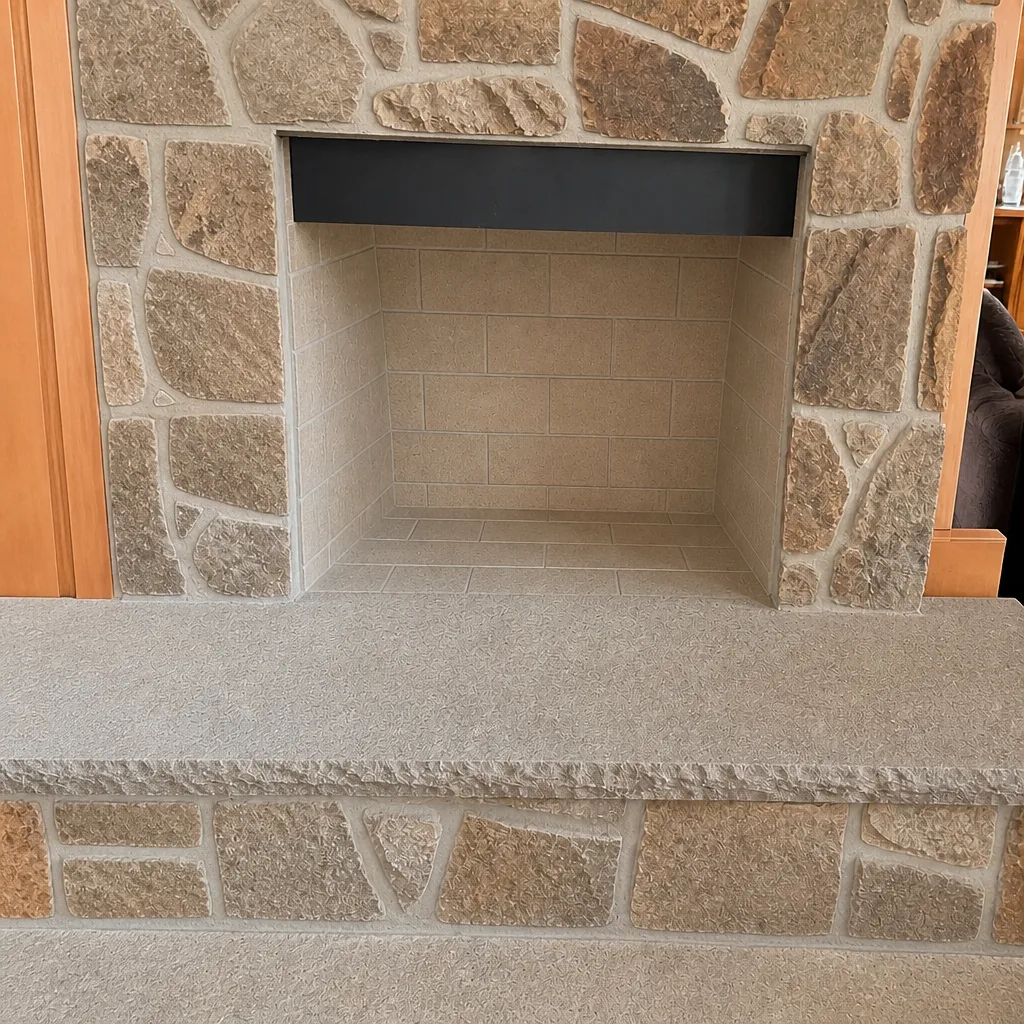
See the difference
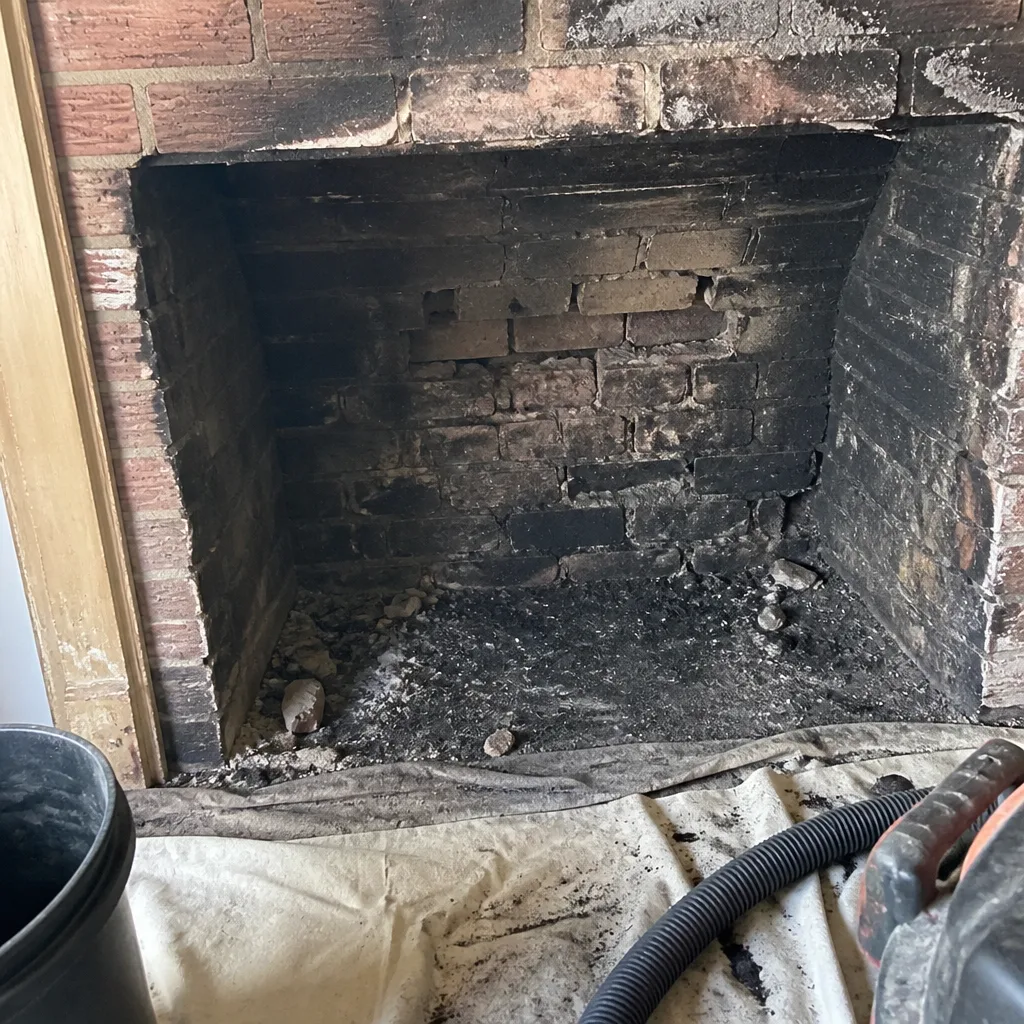 Before
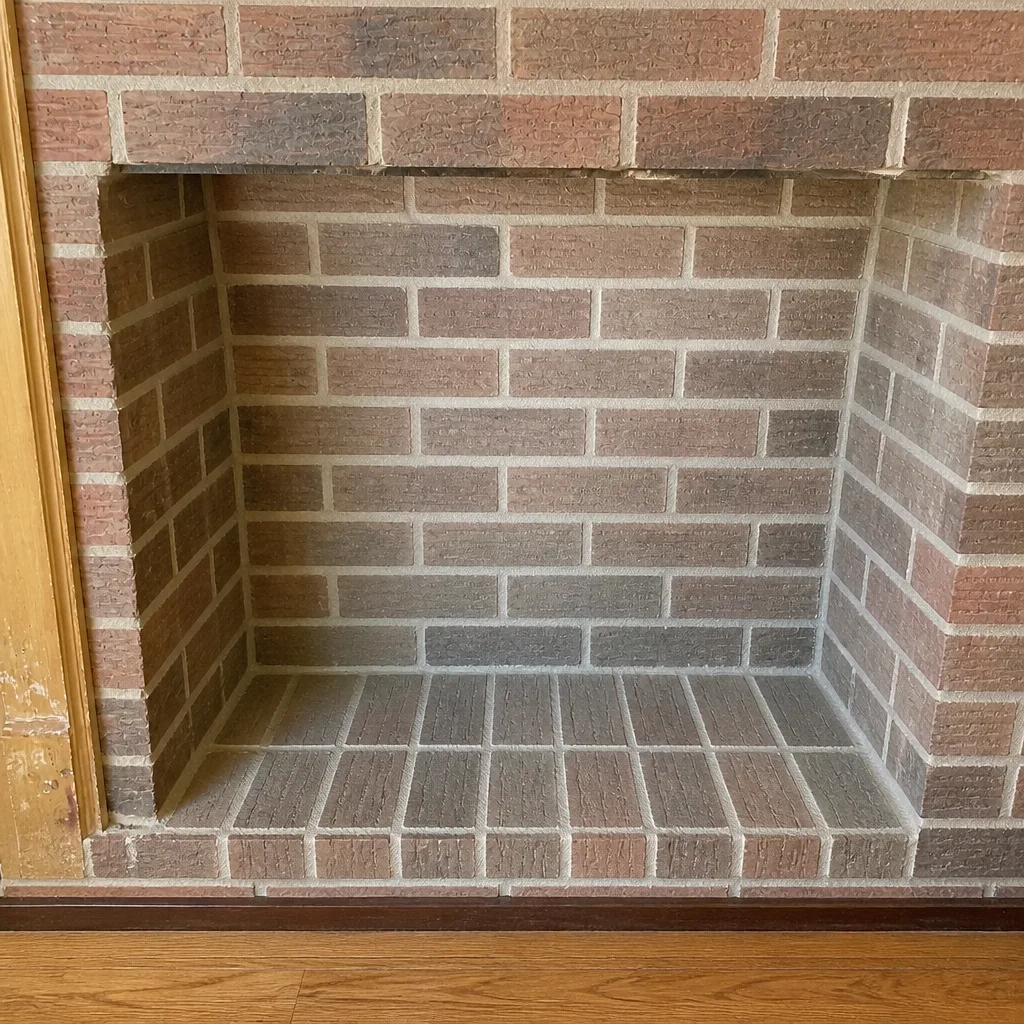 After
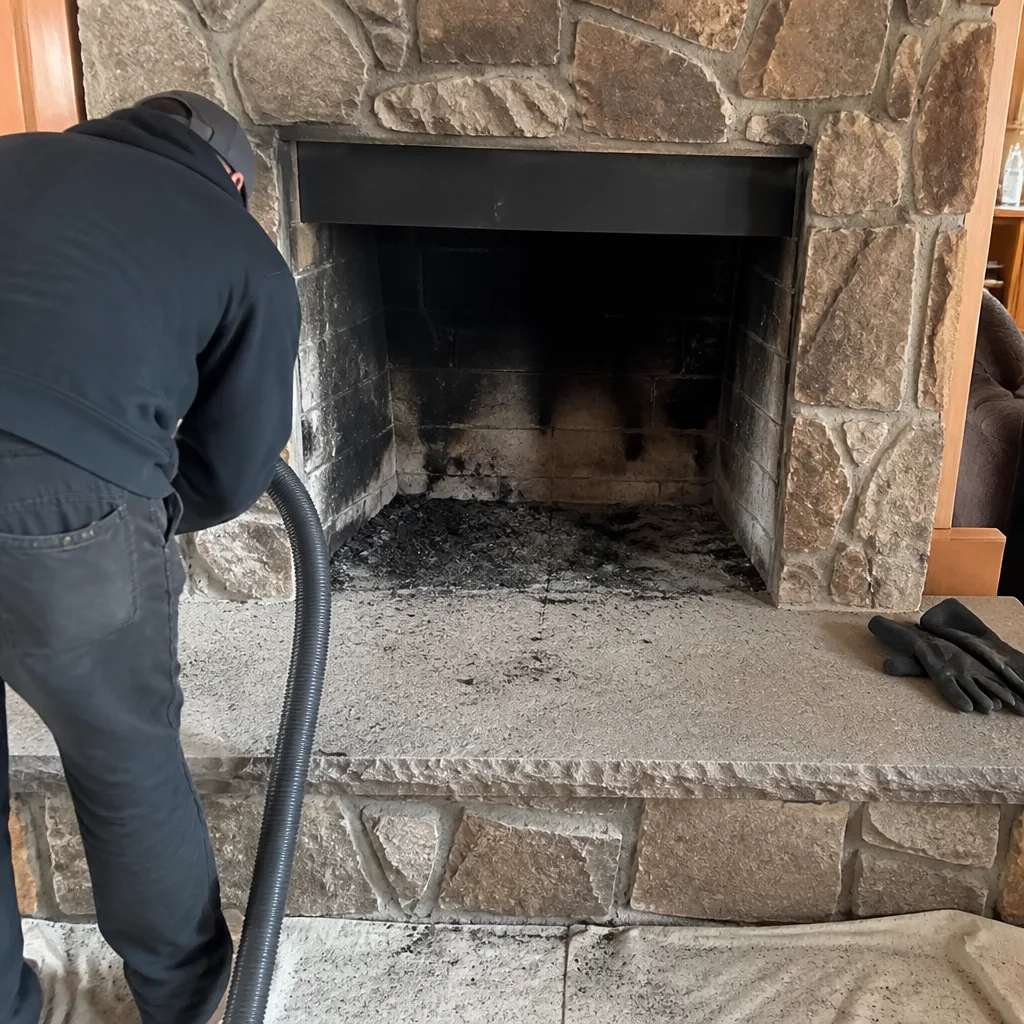 Before
 After
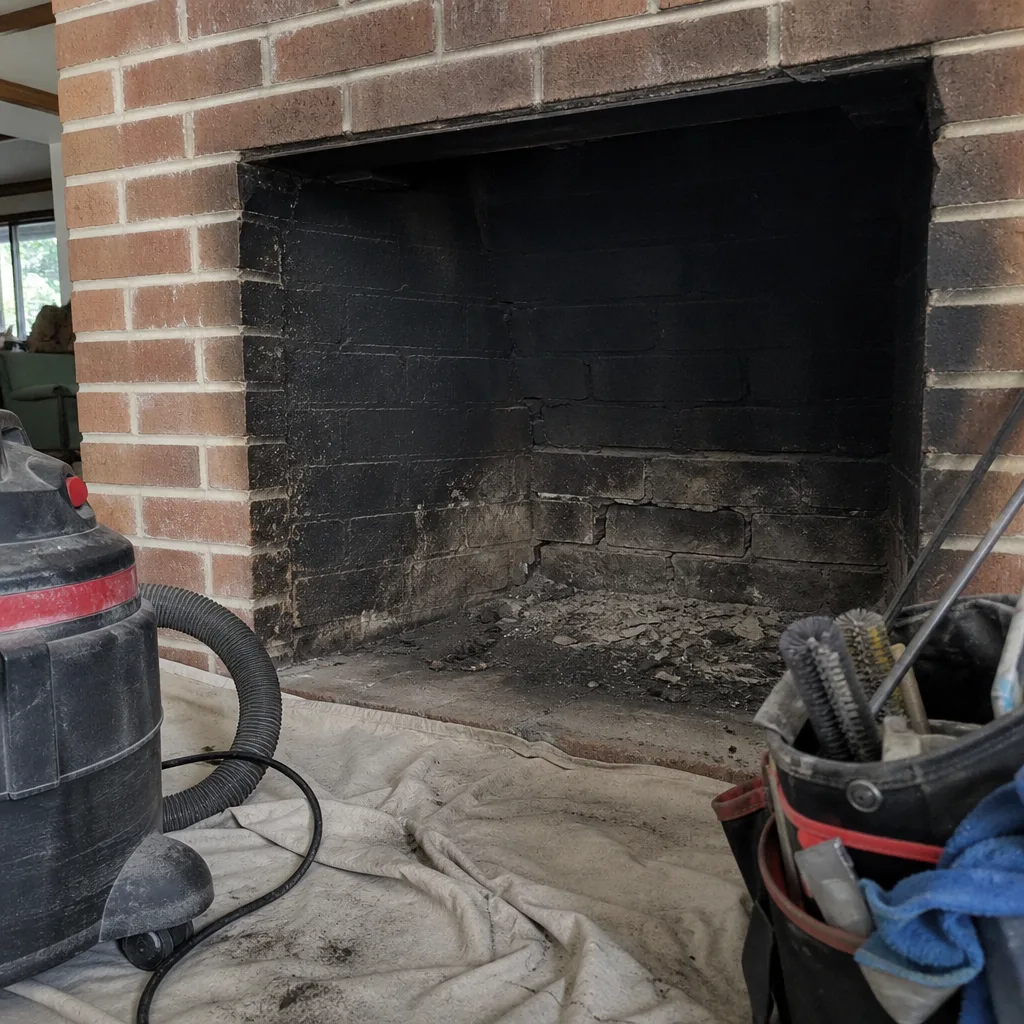 Before
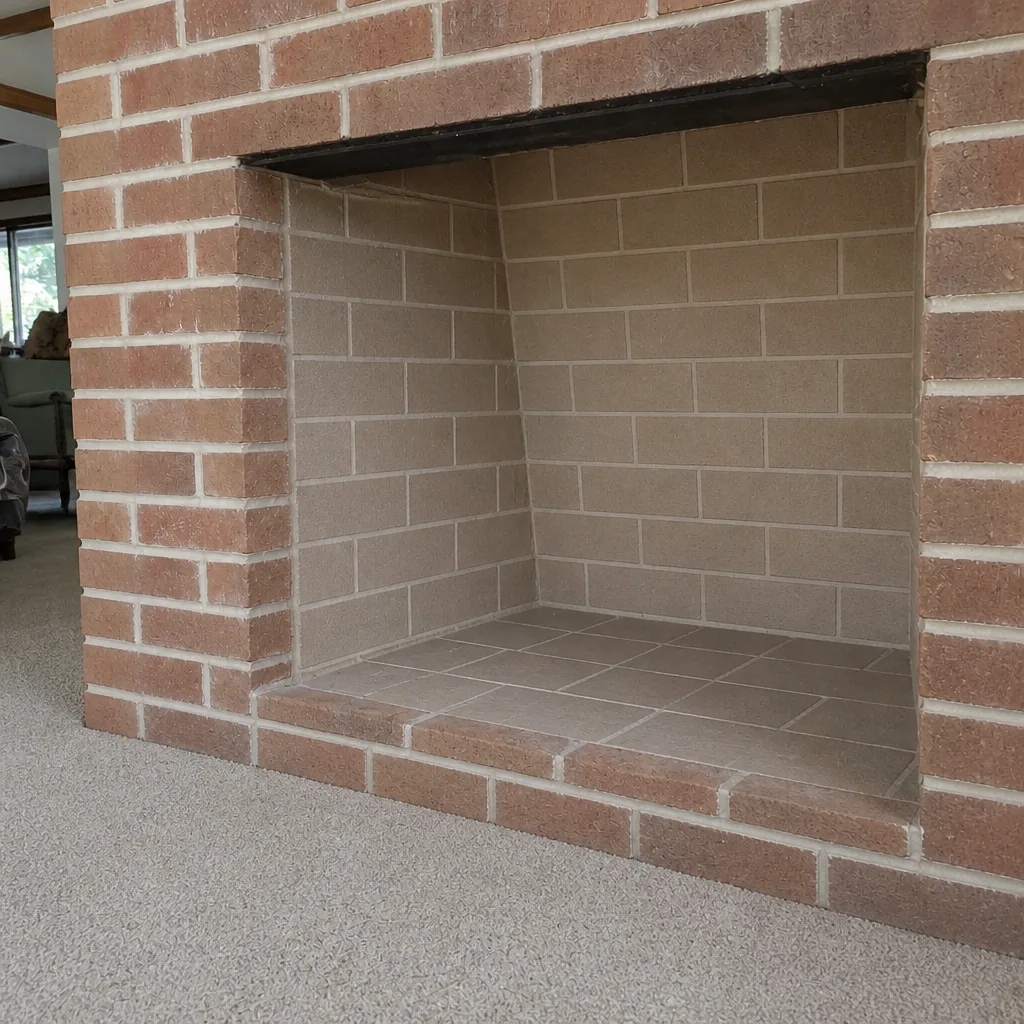 After