
Last updated November 25, 2026
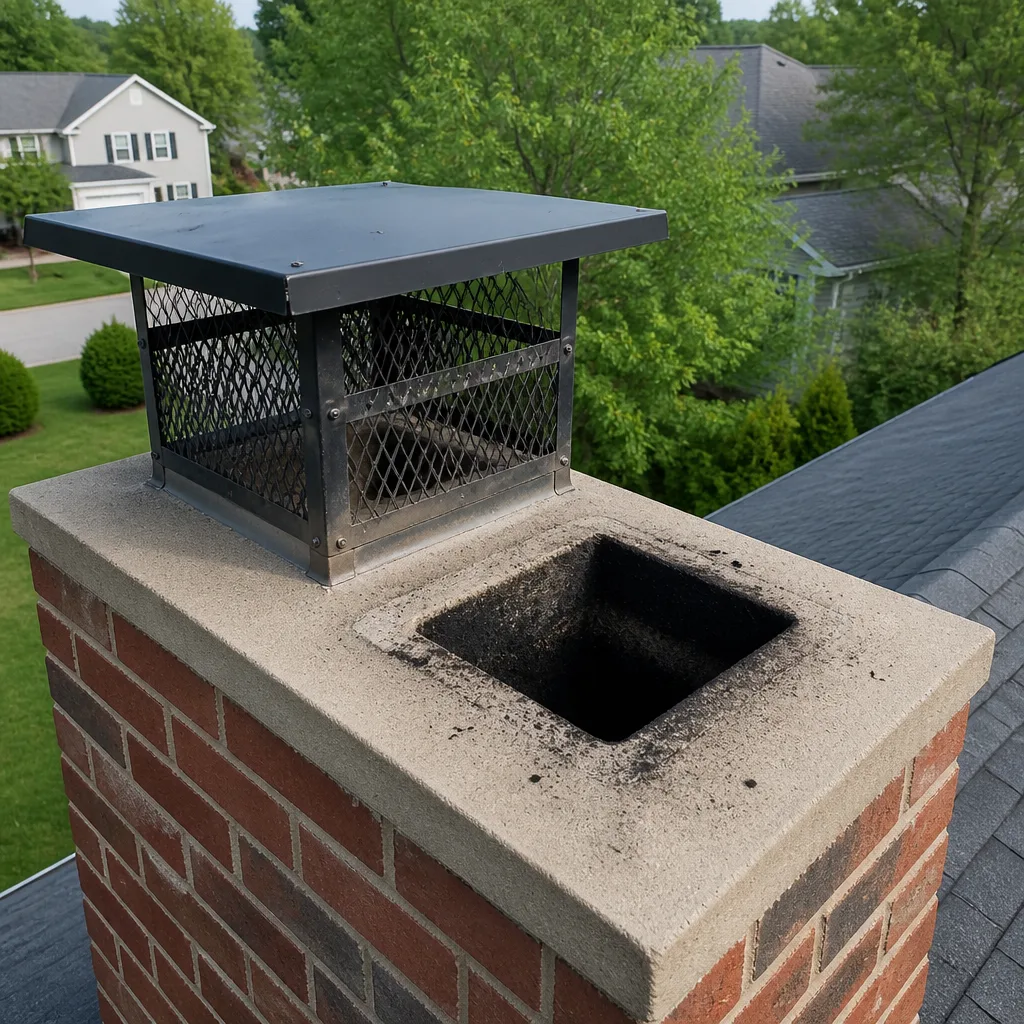 Sweep & inspection
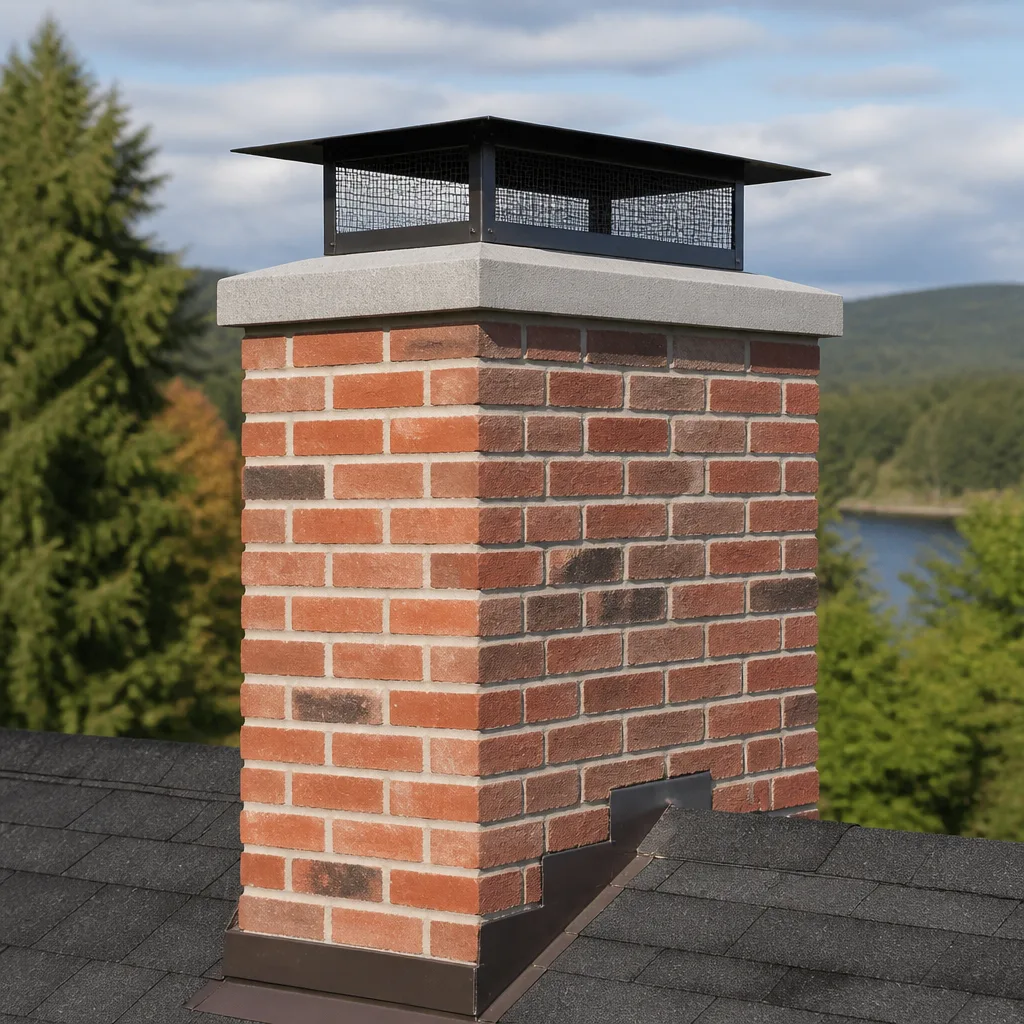 Caps & crowns
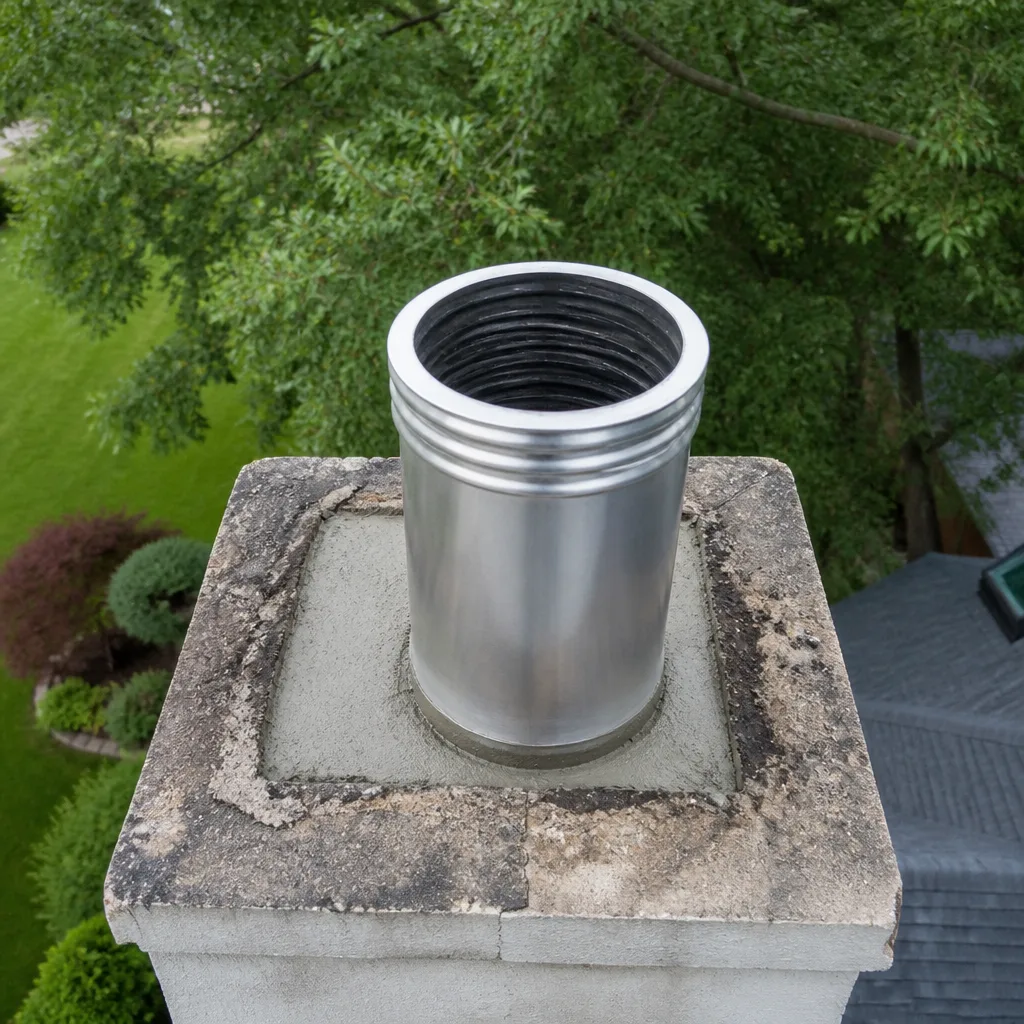 Flue relining
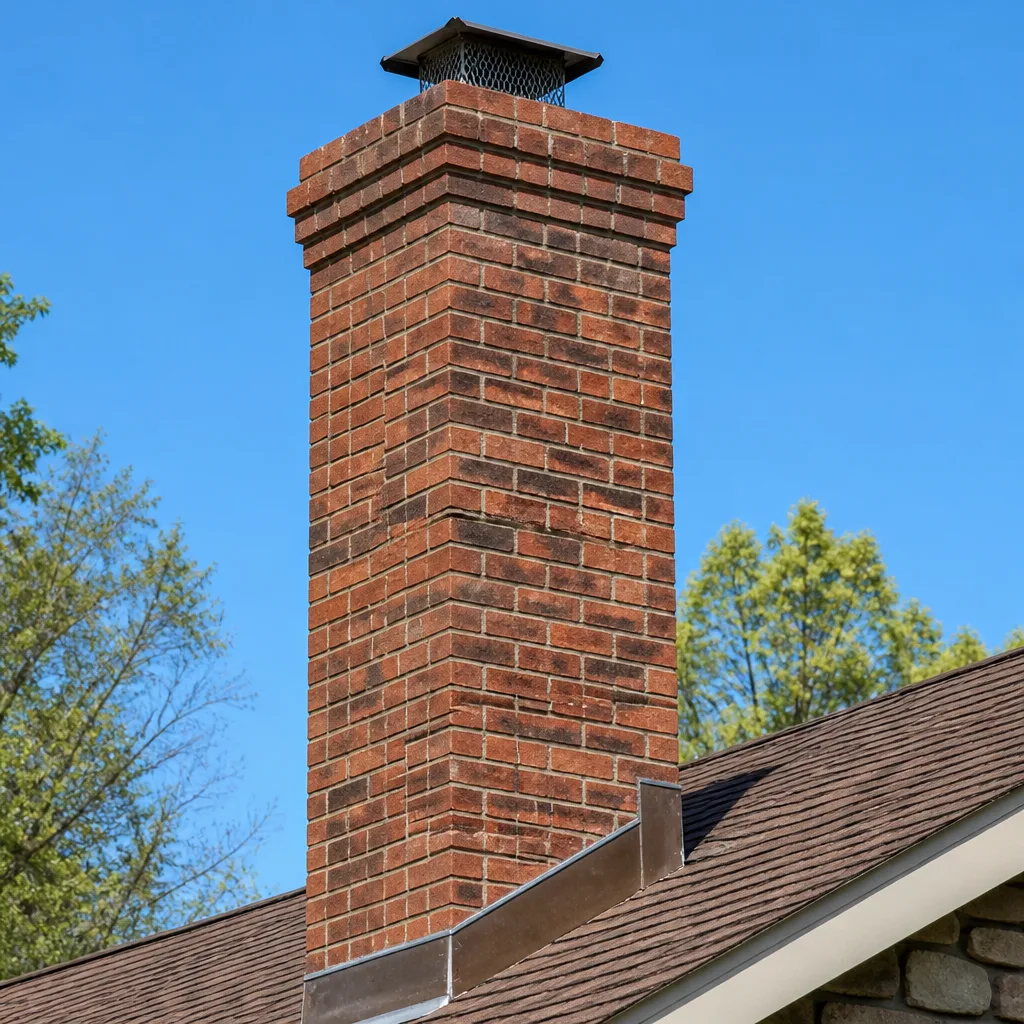 Masonry repair
 Gas fireplace service
Level 1 sweep and inspection to the NFPA 211 annual standard - flue, crown, cap, and flashing checked and photographed
Chimney sweep logs do not sweep chimneys. They loosen some creosote - which then falls where a brush and vacuum still have to collect it.
Chimney Cleaning Cost Breakdown: The Marysville Homeowner’s Reference for 2026
The $89 chimney sweep ad you’ll see on local coupon sites typically covers a visual inspection and a single brush pass. It does not include a post-sweep camera scan, which is the only way to confirm the flue is actually clear and undamaged. That gap is why two Marysville quotes for what both call an “annual sweep” can sit $360 apart and neither one is lying. The difference isn’t margin. It’s scope. This guide builds a legitimate sweep invoice line by line, shows you what each line should cost in Snohomish County in 2026, and explains how to read a competing quote as a checklist instead of a price tag.
Quick Answer
A full-service chimney sweep in Marysville typically runs $225 to $450 in 2026, and a basic sweep with a Level 1 visual inspection runs $150 to $225. The low-end $89 to $120 coupon sweep usually covers one brush pass and a look up the flue without a camera scan. The written estimate always sets the final price, and the price depends on flue height, flue shape, liner type, and how much creosote has built up since the last cleaning.
Styles & brands we work with
- Sweep & inspection
- Caps & crowns
- Flue relining
- Masonry repair
- Gas fireplace service
Table of Contents
- Why do chimney cleaning quotes in Marysville vary so much?
- What belongs on a legitimate sweep invoice? A line-item breakdown
- Inspection tiers: what Level 1, 2, and 3 actually mean
- What drives the price up or down in Snohomish County?
- Which add-on services are legitimate and which are upsold
- How to use competing quotes as a scope checklist
- The cost of deferred maintenance: Stage 3 creosote and full liner replacement
- How a sweep actually goes, step by step
Why do chimney cleaning quotes in Marysville vary so much?
Chimney cleaning quotes in Marysville range from $89 to $450 for what is described identically as an annual sweep because the word “sweep” is not a defined standard. It’s a marketing term. One company’s sweep is a single brush pass and a flashlight look. Another company’s sweep is a pre-inspection, a rotary cleaning, a camera scan of the full flue, a written report, and a firebox vacuum. Both are called “annual sweep” on the invoice. The homeowner has no way to tell them apart without knowing what belongs on a real scope of work.
You’ll see this clearly when you call around. The $89 ad on a coupon site is designed to get a technician in the door and to open the conversation about additional work. Sometimes that work is real. Sometimes the low price is real too, and the company genuinely does a quick visual inspection and a brush pass for a flue that’s been cleaned every year and has almost no buildup. Neither extreme is dishonest. But you cannot compare the two quotes on price alone.
There’s a second factor specific to Marysville and the surrounding Snohomish County market. A lot of the housing stock here was built in the 1970s through the 1990s, when clay tile flues were standard. Clay tile cracks over decades of heating and cooling cycles, and once a tile cracks, the next problem is water intrusion and then the liner itself. A sweep company that knows clay tile will look for that. A coupon sweep won’t. If you want a baseline understanding of what an actual sweep involves before you start pricing, our Chimney Sweep Marysville page walks through the standard process.
What belongs on a legitimate sweep invoice? A line-item breakdown
A legitimate full-service sweep invoice in Snohomish County has four distinct line items, and each one has a 2026 price range. When you compare quotes, compare the line items against this list, not the bottom line. A quote that’s missing a line item is not a discount. It’s a missing service.
| Line item | What it covers | 2026 typical range (Snohomish County) |
|---|---|---|
| Inspection tier | Level 1 visual (included in routine sweep) up to Level 2 camera inspection | Level 1: $0-$50 (built into sweep) Level 2: $75-$150 |
| Sweep method | Hand brush for short, straight flues; rotary for taller, offset, or heavily fouled flues | Hand brush: $125-$175 Rotary: $175-$275 |
| Camera scan | Post-sweep video of full flue length, including the smoke chamber and damper area | $50-$100 when added to a sweep |
| Written report | Documented findings, photos, and recommended next steps | Included with Level 2 inspection |
The most common pattern we see in Marysville: the homeowner calls three companies, gets quotes for $89, $175, and $285, and assumes the middle quote is the honest one. What the quotes actually represent is a brush pass with no camera, a brush pass with a Level 1 visual, and a full rotary sweep with a Level 2 camera scan and a written report. Those are three different jobs at three fair prices. The right question is not “which is cheapest” but “which scope matches my chimney’s condition.”
The camera scan is the line item to insist on. Without it, nobody knows whether the flue is actually clear, whether a clay tile has cracked, or whether creosote has glazed onto the liner wall. A brush pass can leave glazed creosote behind entirely, and glazed creosote is the kind that fuels a chimney fire.
Inspection tiers: what Level 1, 2, and 3 actually mean
Chimney inspections are classified in three tiers, and each tier answers a different question. Most Marysville homeowners only ever need a Level 1 or Level 2. Understanding the difference tells you what you’re paying for and when a quote is overselling.
Level 1 inspection. A visual check of readily accessible portions of the chimney and firebox, done as part of a routine annual sweep. It looks at the firebox, damper, smoke chamber entrance, and whatever flue is visible from below. It does not use a camera. This is appropriate when your chimney has been swept on schedule, the fuel type and appliance haven’t changed, and there’s no reason to suspect damage. A Level 1 comes bundled with the sweep, so you shouldn’t see it as a separate charge.
Level 2 inspection. Adds a camera scan of the full flue length plus accessible portions of the exterior and attic or crawlspace. This is the tier that catches cracked clay tile, gaps in liner joints, offset flue wear, and crown cracks. A Level 2 is the right call any time you buy a house, change the appliance, change the fuel type, or have had a chimney fire (even a small one). Most Marysville sweeps include an upgraded Level 2 scan because the local housing stock and clay tile liner prevalence justify it.
Level 3 inspection. Involves opening walls or removing parts of the chimney to reach hidden areas. This is reserved for specific suspected hazards – after a chimney fire that may have damaged framing, or when a Level 2 finds something that can only be verified by opening the structure. A Level 3 is rare and is quoted separately, always with a clear written reason.
If a company quotes you a Level 3 when you’ve had no fire, no known damage, and no suspicion of a problem, ask why in writing. That’s the kind of upsell that gives the trade a bad reputation.
What drives the price up or down in Snohomish County?
Four things move the price of a Marysville chimney sweep within the ranges above. Knowing which apply to your house tells you whether a quote is high or low for a legitimate reason or just padding.
- Flue height. A taller flue takes longer to sweep, takes longer to camera-scan, and takes more ladder work on the exterior. A two-story chase flue typically runs $50 to $80 more than a single-story one in the same condition.
- Flue shape. Round flues sweep and camera-scan faster than rectangular flues. Square and rectangular flues have corners where brush bristles don’t reach as efficiently, so a rotary sweep is often the faster and more reliable method, which adds cost against a simple hand brush on a round flue.
- Liner type. Clay tile is the most common liner in Marysville’s older housing stock and the most common reason a routine sweep turns into a recommendation for resurfacing or a reline. A stainless liner (either factory or a DuraFlex flexible liner retrofitted later) sweeps easily but changes how you inspect for joint integrity. The liner type determines what the camera scan is looking for.
- Creosote stage at time of service. First-degree creosote is sooty and brushes off cleanly. Second-degree creosote is flaky and sticky and takes a rotary sweep. Third-degree creosote is glazed and hard and often requires chemical treatment before it can be swept at all. A stage 3 flue costs significantly more to clean, and it’s the stage most likely to have been caused by a couple of skipped seasons.
Creosote builds faster in cold, long winters like Marysville’s, where the fire runs daily from October through March. Wood that isn’t seasoned to the right moisture content makes it worse. So does a damper that’s left partly closed. The single best way to keep a sweep in the low end of the range is to burn dry wood and book the sweep before burning season, when the flue is at its cleanest and the creosote hasn’t had a full winter to glaze. If your fireplace has developed other issues alongside the creosote, our fireplace repair page covers the repair side of the checklist.
Which add-on services are legitimate and which are upsold
Add-ons are where the price gap between quotes really opens up. Some are genuinely worth doing at the time of a sweep because they’re cheaper to specify while the technician is already on the flue. Others are things a homeowner can reasonably defer, or decline outright. Here’s how to sort them.
Legitimate add-ons, worth considering at the time of a sweep:
- Chimney cap replacement or installation. A cap keeps rain, birds, squirrels, and debris out of the flue. Missing or rusted-through caps are extremely common on Marysville homes, and a new cap is a small line item compared to what water infiltration will eventually do to a clay tile liner. Famco caps are a standard fit for most residential flues.
- HeatShield ceramic resurfacing. This is the one add-on homeowners most often don’t know about. HeatShield resurfacing can extend the life of a damaged liner without a full reline – here’s when it applies: the liner has cracks or spalling but is still structurally intact, the flue has an offset or a shape that makes a full reline awkward, or the damage is isolated to a section that a resurfacing can seal. It requires product-specific training to apply correctly, so ask whether the technician is trained on it, not just familiar with the name.
- Crown repair. The crown is the concrete or mortar cap on top of the chimney. A cracked crown lets water into the masonry below it. Repairing a crown at the same visit as a sweep is cheaper than treating the water damage later.
Legitimate but often deferrable add-ons:
- Smoke guard installation. A smoke guard is a metal deflector at the top of the firebox that stops smoke rolling out into the room. It’s worth installing if you actually have a smoke-roll problem. It is not worth installing if you don’t.
- Damper replacement. A damper that no longer seals lets heated air escape up the flue when the fireplace isn’t burning. Worth doing, but you can usually wait for a scheduled visit rather than paying for a separate trip.
- Full liner replacement. This is a legitimate service, not an upsell, but only when the camera scan actually shows the liner has failed. If a quote for a full reline appears without a camera scan on the invoice, ask to see the footage before you agree.
Add-ons that get upsold unnecessarily:
- Sealing or waterproofing the entire exterior masonry when the inspection found no water intrusion.
- A “chemical cleaning” tacked onto a stage 1 flue that would clean up with a standard brush pass.
- Smoke guard installation quoted to every customer regardless of whether they’ve reported a smoke problem.
The test is simple: an add-on is legitimate if the camera scan or the visual inspection showed a specific reason for it. Ask to see the photo or the video. Any real technician will show you. If the technician can’t show you the problem, the add-on is a guess.
How to use competing quotes as a scope checklist
Here’s where most Marysville homeowners leave money on the table without realizing it. When you get three quotes, the instinct is to compare the bottom-line numbers. The better move is to compare the line items. Quote A and Quote B may both be called “annual sweep” and be $140 apart, but only one of them actually includes the camera scan the other skipped. That’s not savings. That’s a missing service.
Work through this checklist for every quote you receive:
- Does the quote state the inspection level? If it just says “inspection” with no tier, ask. A routine sweep should be Level 1 minimum; a home purchase or post-fire inspection should be Level 2.
- Does it include a camera scan? This is the single biggest differentiator between an $89 quote and a $285 quote. If it’s missing, the quote is for a brush pass and a flashlight, not a full sweep.
- Does it name the sweep method? Hand brush or rotary. A hand brush on a tall, offset, or heavily fouled flue is the wrong tool and can leave glazed creosote on the wall.
- Does it include a written report with photos? A report you can keep and compare next year to this year is worth more than a verbal “looks fine.”
- Are add-ons itemized separately, with a reason referenced to inspection findings? A quote that lists “chimney cap $X, damper $Y, liner $Z” without any condition described is a menu, not a diagnosis.
- Is there a scope for what happens if the sweep uncovers damage? A good quote tells you the sweep is $X and any repair is quoted separately from the camera findings. A quote that guarantees “no extra charges” is either underpricing the work or planning to surprise you.
Two quotes are only comparable when every line item matches. If Quote B is missing the camera scan, it’s not a savings. It’s a different, smaller job being sold under the same name. Ask each company to itemize their quote to this list. The quote that lines up cleanly is the one worth taking.
The cost of deferred maintenance: Stage 3 creosote and full liner replacement
A sweep you skip this year is a sweep that, two years from now, may turn into a glazed-creosote removal or a liner replacement. The math is worth looking at plainly, because it’s the strongest argument for booking the sweep even when the chimney “seems fine.”
Stage 3 creosote is the glazed, hard, tar-like buildup that forms when a flue has been run hot and heavy without an annual cleaning. It doesn’t brush off. It takes chemical treatment to soften it enough to sweep, and the treatment usually spans multiple visits. Removing stage 3 creosote in Snohomish County typically runs $400 to $900 depending on how much of the flue is affected. It’s the single biggest reason a “cheap” cleaning quote can balloon later.
A full liner replacement is a different tier of cost. A failed clay tile liner or a rusted-out factory liner requires a new liner to keep the flue safe to use. A standard stainless reline in Snohomish County typically runs $2,800 to $5,500 depending on flue height, flue shape, and whether the flue has offsets that make a flexible liner necessary. A DuraFlex flexible liner system is the specification we most often recommend for the offset and irregular flue configurations common in older Marysville homes, because it can follow a flue that a rigid liner can’t. But the better outcome is to never need one, and the way you avoid needing one is a $225 to $450 sweep once a year.
The cost of the annual sweep prevention story works out like this: three years of sweeps at the typical range is $675 to $1,350. One stage 3 creosote removal plus a damaged-tile liner repair is $400 to $900 on top of the liner itself. One full reline is a multiple of the entire sweep budget for a decade. The stage 3 and reline numbers are the ones to avoid, not the sweep. And if the camera scan shows a cracked tile that hasn’t yet failed, HeatShield resurfacing can often extend the life of that liner without a full reline – which is the cheapest exit ramp from the worst case. Our chimney repair page covers what each repair category actually involves.
How a sweep actually goes, step by step
If you’ve never hired a sweep before, knowing what the visit should look like takes the guesswork out of the quote comparison. Here’s the sequence a Marysville sweep should follow:
- Pre-visit setup. Drop cloths and a sealed vacuum are run before any tools go up the flue. The firebox and hearth get covered so soot doesn’t travel into the room.
- Pre-sweep inspection. A visual check of the firebox, damper, smoke chamber entrance, and the parts of the flue visible from below. Any obvious damage is noted before the sweep, so it’s not confused with damage caused by brushing.
- Brush pass. Hand brush for short, straight, low-soot flues; rotary for taller, offset, or fouled flues. The choice of tool changes the price and the outcome.
- Creosote assessment. If the flue is stage 2 or stage 3, the technician explains what was found and what it will take to bring the flue back to clean.
- Camera scan. A video of the full flue length, including the smoke chamber, damper frame, and any offsets. This is the step the $89 quote skips, and it’s the step that catches cracked tile and joint gaps before they become a liner problem.
- Written report. Photos, findings, and next-step recommendations. A good report says what was clean, what was watched, and what was repaired (or deferred) and why.
When something is found during the inspection, we repair it the same visit where it’s safe to do so, because the technician who inspected is the same specialist who performs the repair. That single-point accountability is the reason we specify the professional-trade materials we do: DuraFlex for flexible liner systems, HeatShield for ceramic resurfacing, Famco for caps, and Copperfield for components and custom fits. Not because big-box equivalents are dishonest, but because a professional-distribution part is what the repair should be built from, and uncommon sizes are available rather than a reason to delay the job. The chimney system – flue, cap, crown, firebox – is handled as one system, not separate tickets. The most important question on any Marysville sweep is whether the technician can diagnose and fix in one visit or is leaving you to book a second crew.
Common Mistakes to Avoid
- Comparing quotes on price alone. The $89 sweep and the $285 sweep are two different scopes. The cheaper quote is missing the camera scan the costlier one includes. Ask each company to itemize to the checklist above so the comparison is honest.
- Skipping the camera scan on an “easy” flue. The older clay tile flues in Marysville’s 1970s-1990s housing stock are exactly the ones most likely to have hairline cracks that don’t show from below. A flashlight look doesn’t find them. A camera does.
- Burning wet or unseasoned wood. Creosote stage and moisture content are directly connected. Wet wood makes more creosote faster, which pushes a sweep from $150 into stage 2 or stage 3 territory and, eventually, toward a reline.
- Assuming “chimney sweep” covers masonry repair. Chimney sweeps typically handle the flue and the firebox, not general masonry work outside the chimney system. If a sweep crew quotes a full chimney rebuild as a “scope addition,” it’s a different trade, and worth a second look.
- Skipping the sweep after one year of light burning. One season of even light use still deposits soot, and the report from a clean year is the most useful thing a homeowner can keep. It gives the next technician a baseline to compare against.
- Accepting an add-on without proof. A cap, a smoke guard, a linear reline – each one should trace to something the camera scan or visual inspection actually showed. Ask to see the photo or video. Any real technician will show you, and the good ones already do.
- Waiting until fall. Sweeps book tight before burning season. Booking in late spring or over the summer means the flue gets cleaned when creosote is thinnest and the schedule has room for it. The price doesn’t change with the season, but the wait time does.
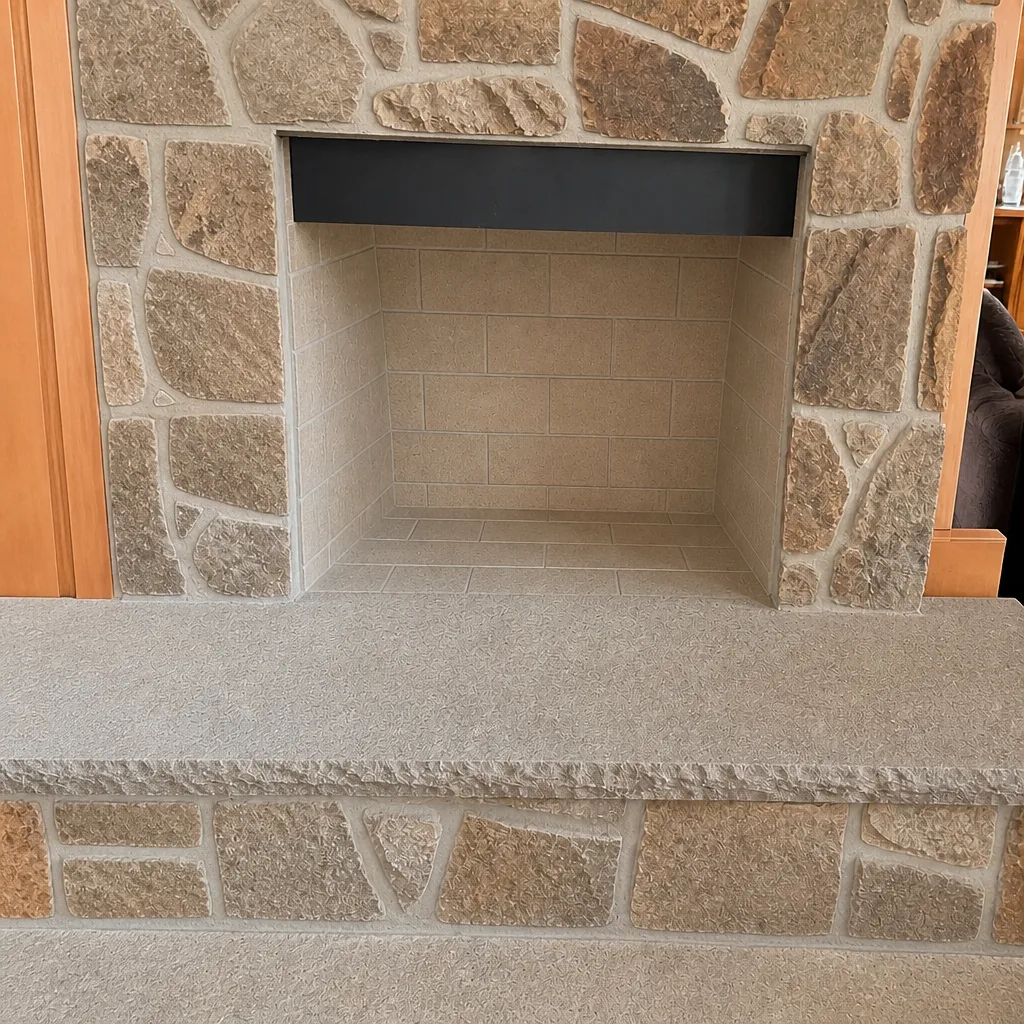
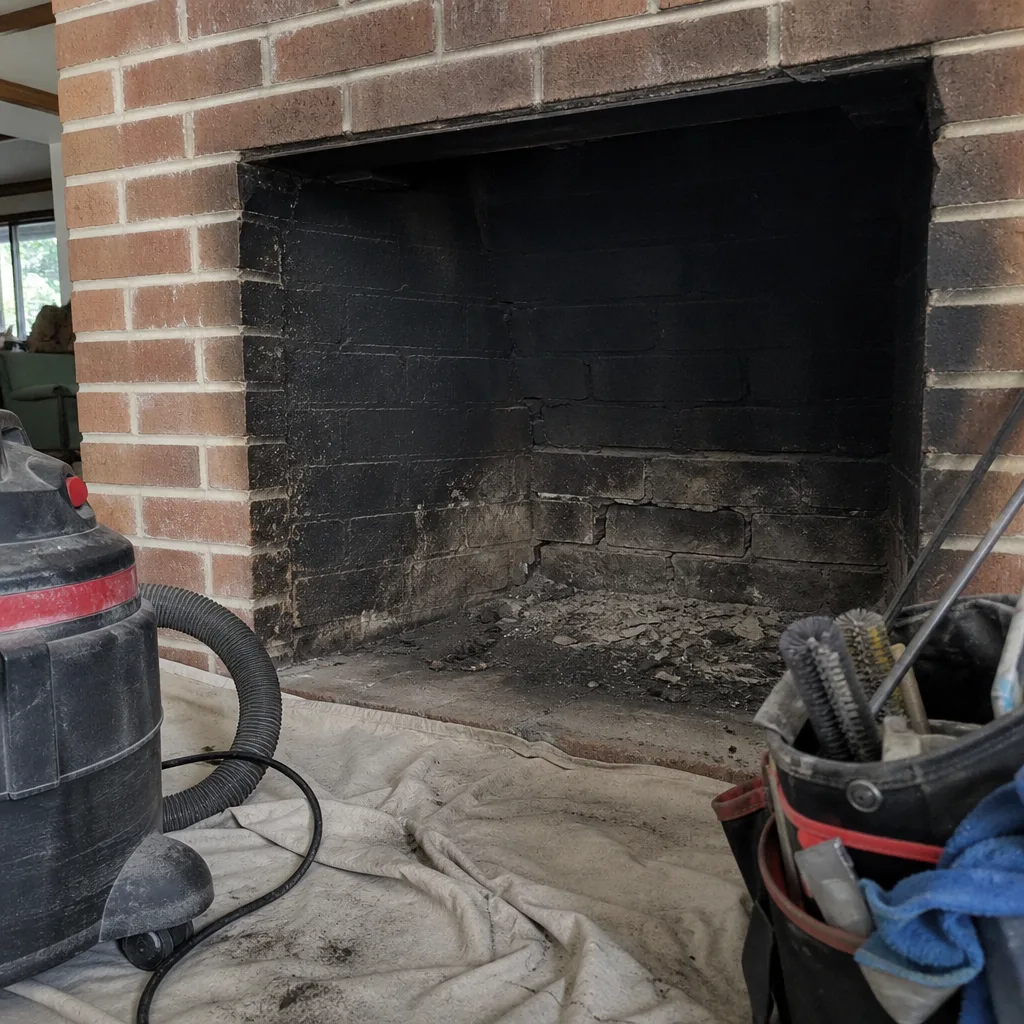
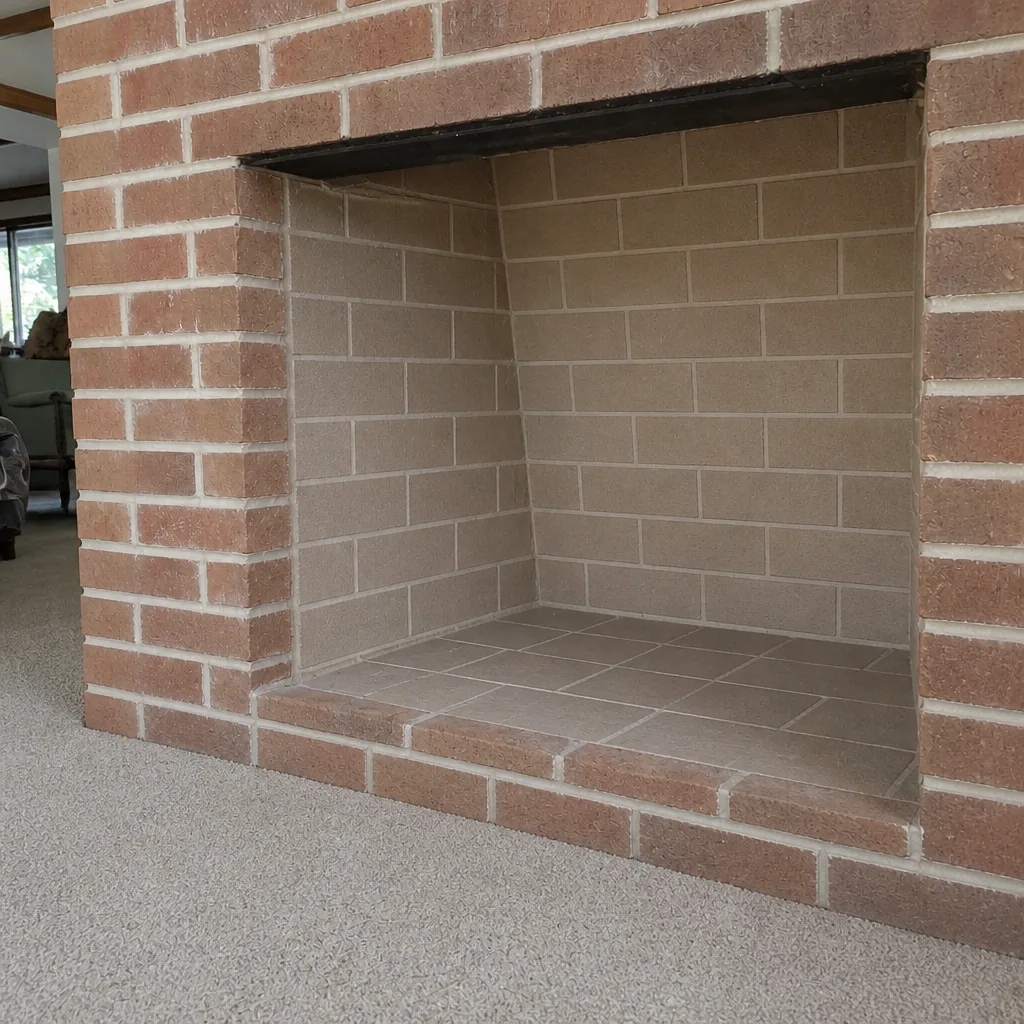
See the difference
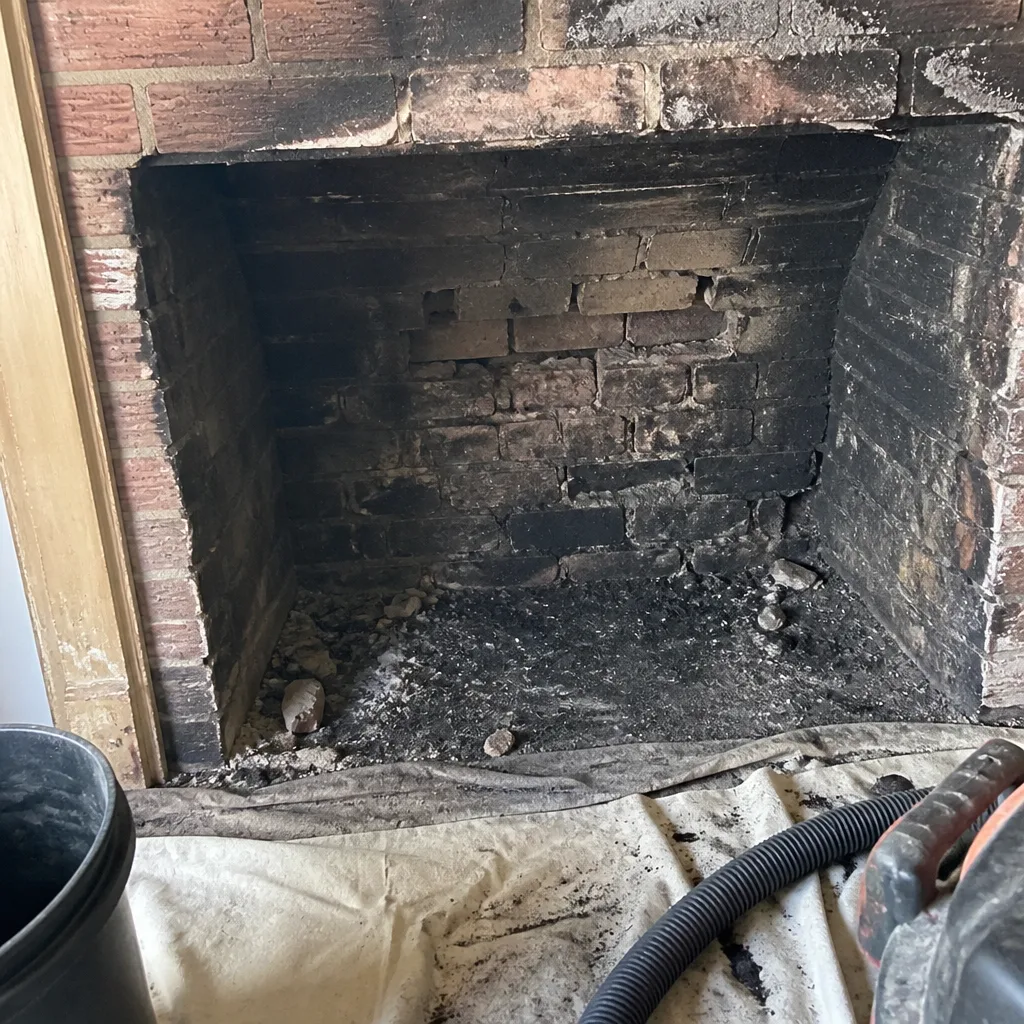 Before
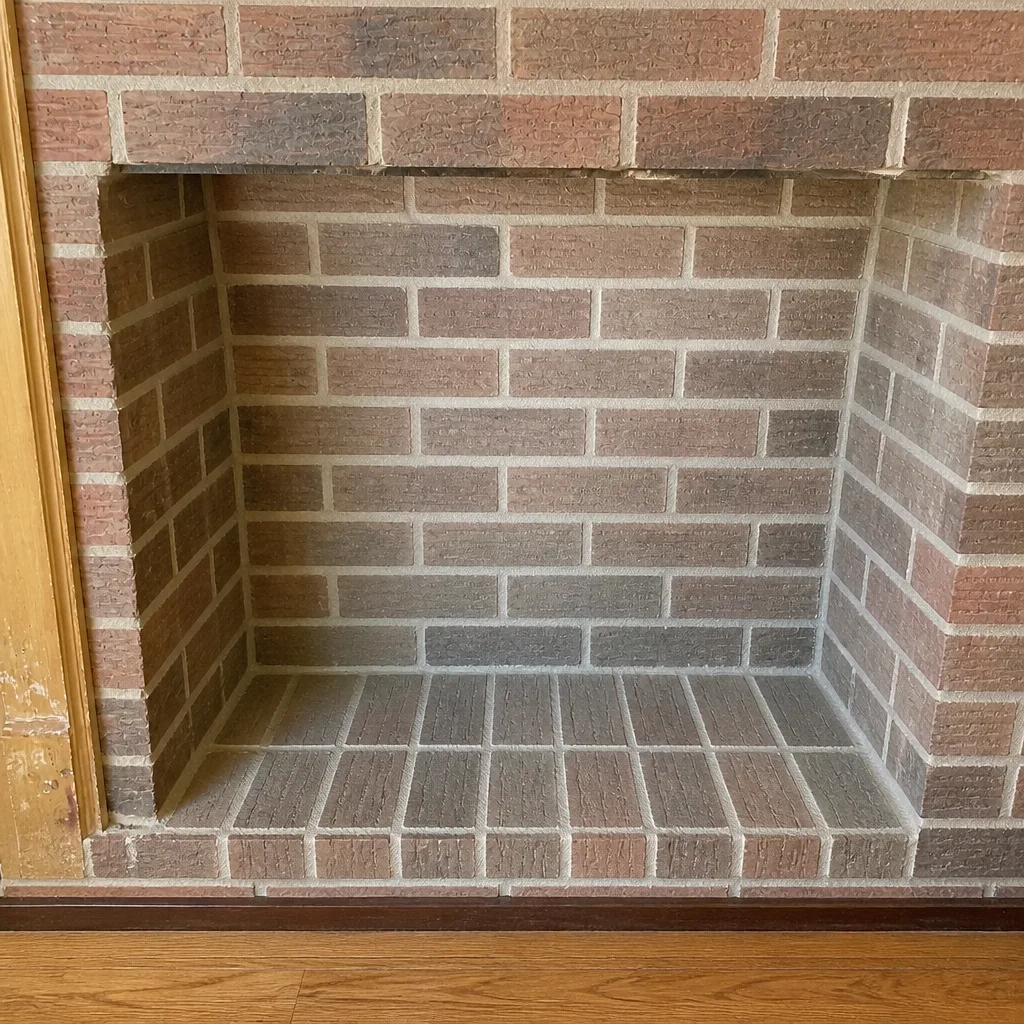 After
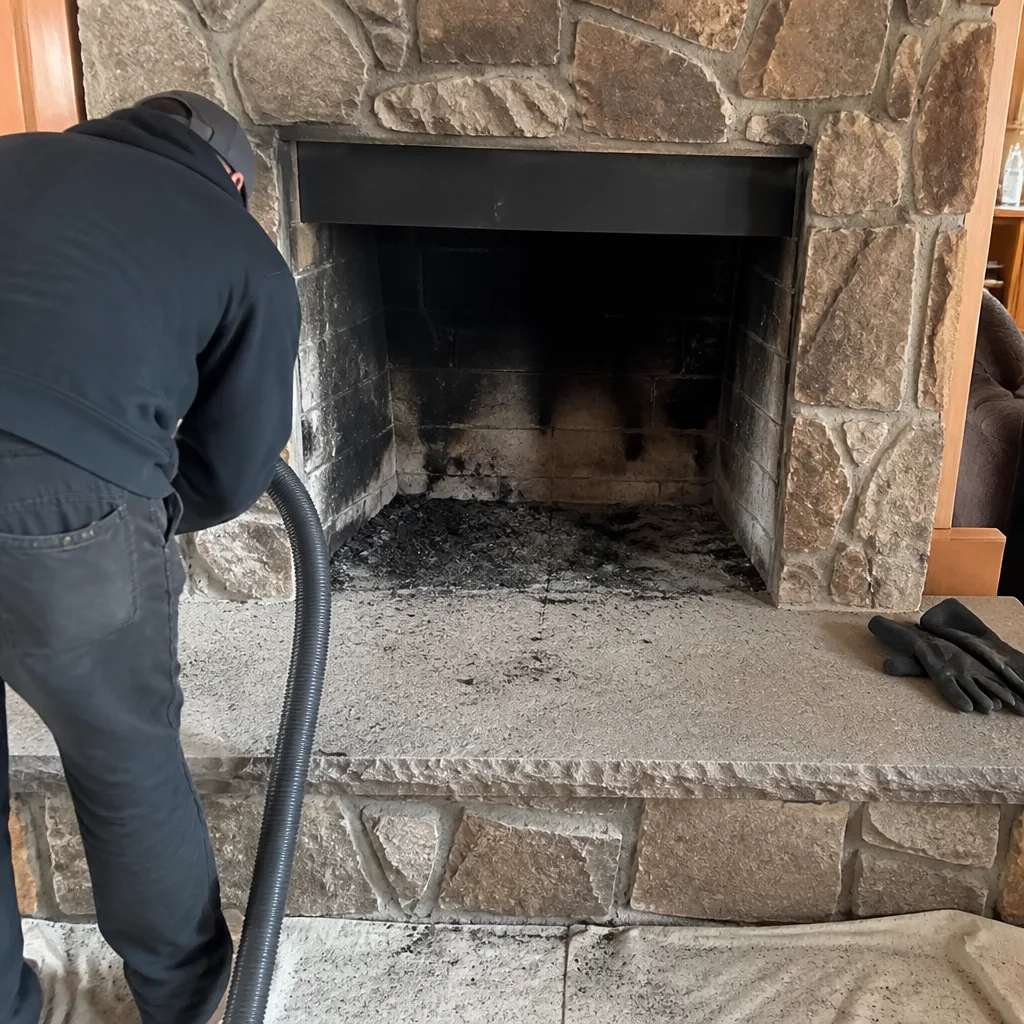 Before
 After
 Before
 After
When to Call a Professional
Call a sweep before the first fire of the season if you haven’t had the flue cleaned in more than 12 months, if you’ve changed the appliance or fuel type, or if you moved into a Marysville home and don’t have a sweep record from the previous owner. Call sooner if you’ve had a chimney fire of any size, if creosote is visibly glazed on the firebox wall, or if you smell a strong smoke odor in the room when the fireplace is not in use. Any of those signs means the flue needs attention before the next fire, not after it.
Chimney Sweep Marysville offers free estimates in Marysville. Call (877) 792-7047. We answer 24/7. Fast dispatch from 7am to 7pm, Sunday through Friday. The estimate is free, there’s no service-call fee, and any recommended work is explained against the camera findings you can see on the report. Pricing is set per job by the written estimate, and nothing is recommended without photo or video evidence of what was found.
Frequently Asked Questions
A full-service Marysville chimney sweep typically runs $225 to $450 in 2026, and a basic sweep with a Level 1 visual inspection runs $150 to $225. The final price is set by the written estimate and depends on flue height, flue shape, liner type, and creosote stage. Complicated flues with offsets, tall chases, or heavy creosote sit at the top of the range; a straight, round, recently cleaned flue sits at the bottom. Call (877) 792-7047 for an exact quote. Estimates are free.
The $89 quote usually covers a brush pass and a visual look up the flue with no camera scan. The $285 quote typically covers a pre-sweep inspection, a rotary or hand sweep matched to the flue, a camera scan of the full length, and a written report. They’re different scopes at different prices, not one honest quote and one dishonest one. Ask each company to itemize the quote to the line-item checklist in this guide, then compare like for like. Call (877) 792-7047 and we’ll quote a specific scope for your flue.
Only if the camera scan actually shows the existing liner has failed. A cracked clay tile that’s still structurally intact can often be repaired with HeatShield ceramic resurfacing instead of a full reline, and a stainless liner that’s still sealed can last years longer. What you don’t need is a liner replacement recommended without camera evidence. Ask to see the footage of the failed section before agreeing to anything, and if the technician can’t show it, get a second opinion. Call (877) 792-7047 for a free estimate with camera findings you can review at home.
A chimney should be swept at least once a year when it’s used regularly, and more often if you burn heavily or burn wood that isn’t fully seasoned. The old guidance – “sweep when there’s a quarter inch of soot” – still applies in principle, but Marysville homeowners who run their fireplace daily through the fall and winter will usually build up enough to justify a yearly visit. A year-skipped sweep is where stage 2 and stage 3 creosote start. If it’s been more than 12 months, book the sweep before the next fire. Call (877) 792-7047. Estimates are free.
The creosote layer thickens and hardens, and stage 3 glazed creosote is what fuels a chimney fire. A stage 3 flue costs $400 to $900 to clean in Snohomish County, and if the heat has cracked tile or damaged the liner, the next step is a liner replacement at $2,800 to $5,500. Skipping the annual sweep doesn’t save money – it defers a cost that compounds. The sweep is the cheap part of the ownership cycle. Call (877) 792-7047 for a free estimate and a look at what your flue actually needs.
No. A cap is worth installing when it’s missing or rusted through, because it keeps rain and wildlife out of the flue. A smoke guard is worth installing when the fireplace actually smokes into the room – not on a fireplace with no smoke problem. HeatShield resurfacing is worth doing when the camera scan shows a still-intact liner with cracks that resurfacing can seal. Each add-on should trace to something the inspection found. Ask for the photo or the camera clip before you approve. Call (877) 792-7047 and we’ll talk through what your inspection actually showed.
The Bottom Line
The Marysville chimney cleaning market in 2026 ranges from $89 to $450 for what companies call the same service, and the gap between those prices is scope, not honesty. A legitimate full-service sweep includes a pre-sweep inspection, a matched sweep method, a post-sweep camera scan, and a written report. A basic sweep covers a brush pass and a visual look. Both are real; they’re just different jobs. Compare quotes line by line, not bottom line by bottom line. Insist on the camera scan. Treat the add-on conversation as a diagnosis with evidence, not a menu. And recognize that the cheapest path through the chimney system over time is the annual sweep that keeps creosote from ever reaching stage 3.
Whether you’re booking a routine sweep or working through a repair list, the same principle applies: what was found during inspection gets repaired the same visit where it’s safe to do so, and the materials come from the same professional-trade distribution channel the trade specifies. Sweep, inspection, cap and crown work, fireplace repair, and chimney repair handled under one roof means no handoff gap between the technician who found the problem and the technician who fixes it.
Call (877) 792-7047 for a free estimate. We answer 24/7. Fast dispatch from 7am to 7pm, Sunday through Friday. A sweep is booked, not dispatched on demand, so the fastest way to get on the schedule is a call now. Our technicians have up to 10 years of experience, and they’ll show you what the camera found and explain what can wait and what shouldn’t. Before you burn again this season, get the sweep booked and know your flue’s actual condition.
Written by the team at Chimney Sweep Marysville.