
Last updated November 25, 2026
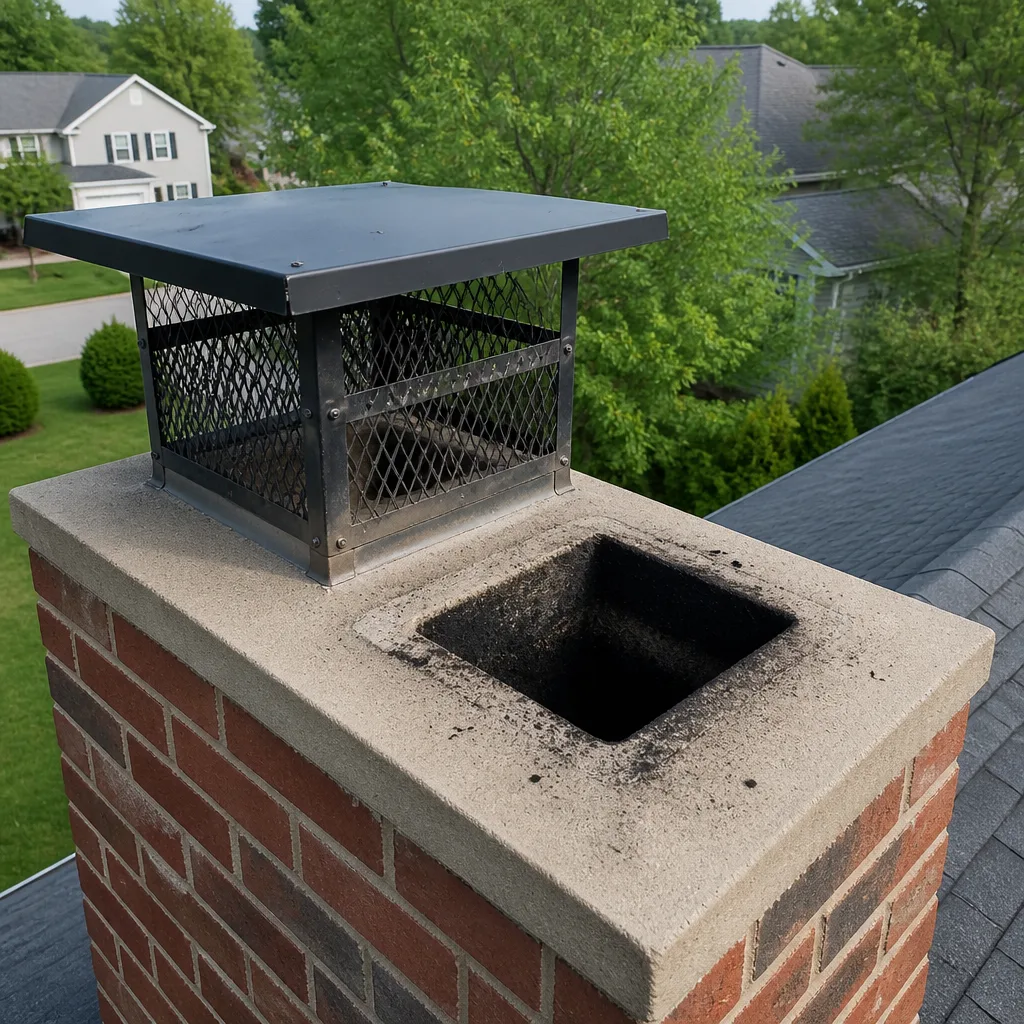 Sweep & inspection
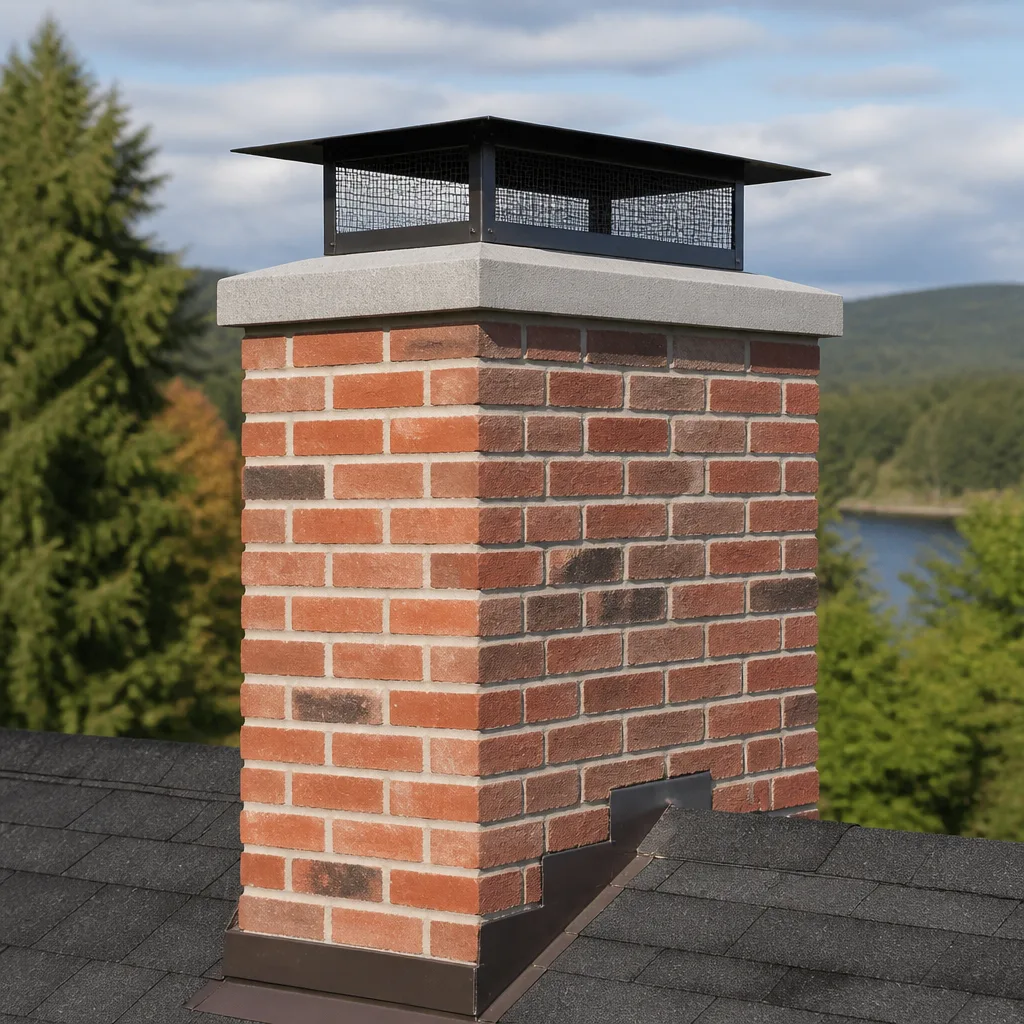 Caps & crowns
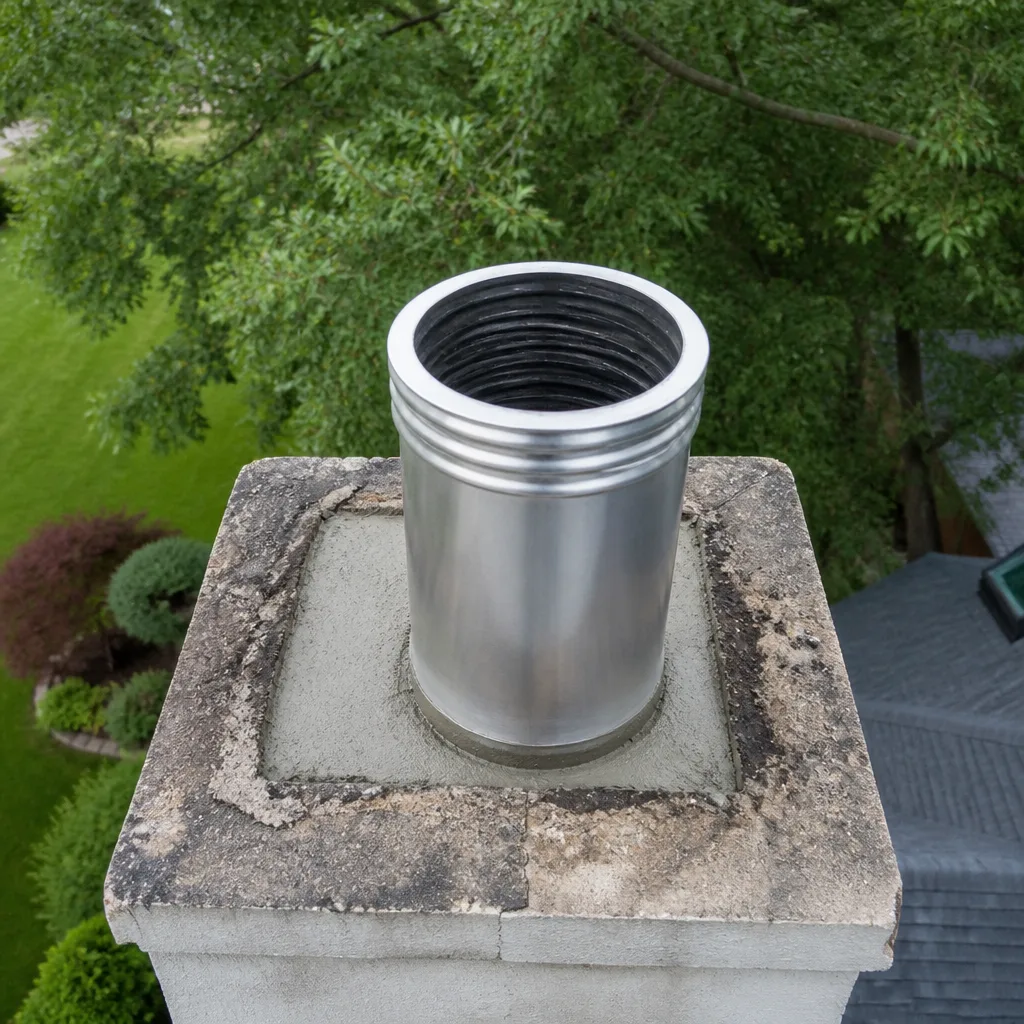 Flue relining
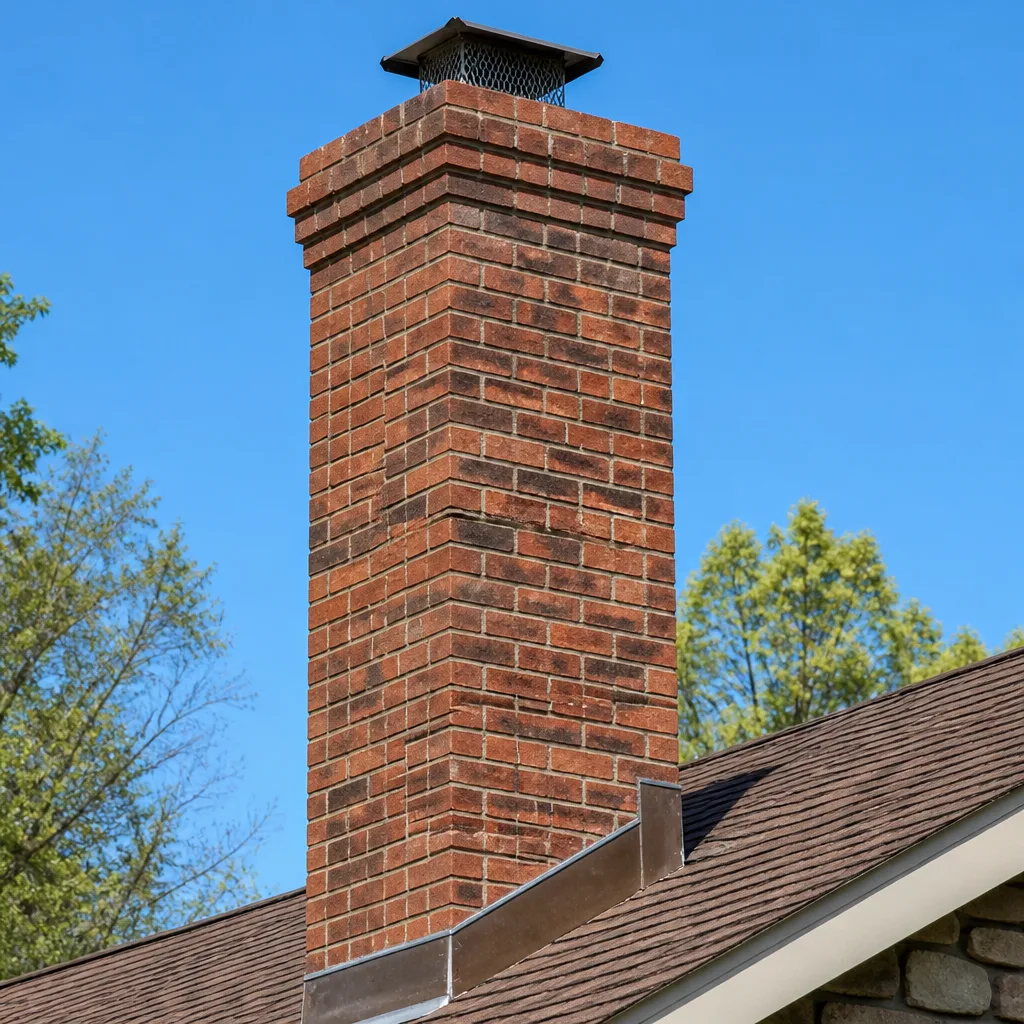 Masonry repair
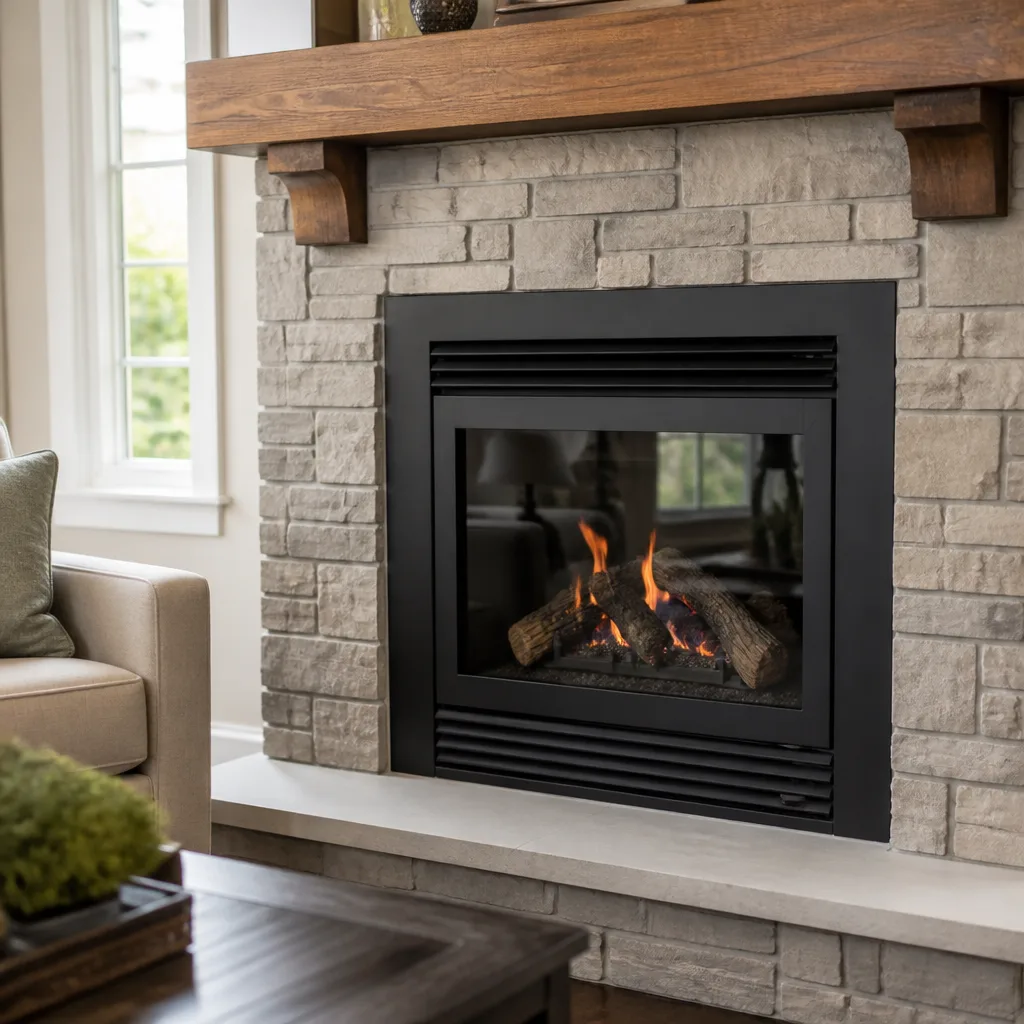 Gas fireplace service
Level 1 sweep and inspection to the NFPA 211 annual standard - flue, crown, cap, and flashing checked and photographed
Chimney sweep logs do not sweep chimneys. They loosen some creosote - which then falls where a brush and vacuum still have to collect it.
Seasonal Chimney Cleaning Care for Marysville: Year-Round Homeowner’s Guide
Most Marysville homeowners call for a chimney sweep in October, once the first cold snap hits and the fireplace suddenly looks appealing again. That timing is backwards. By October, every sweep in Snohomish County is booked weeks out, the weather has turned wet, and there’s no cushion left to handle whatever the inspection turns up. The better move happens months earlier, in the quiet stretch of late summer. This guide lays out a full calendar for chimney care in Marysville, season by season, built around how the local climate actually treats masonry and flue tile. You’ll learn what to check in spring, why August beats October for a sweep, when to schedule repair work, and what signals during burning season mean it’s time to stop and get the flue looked at.
Quick Answer
The best time to sweep a chimney in Marysville is late summer, ideally August. Creosote from the previous winter has dried and hardened enough for an accurate stage reading, technicians have open schedules before the fall rush, and you still have roughly six weeks to complete any repairs before the first fire. Spring is the time to inspect the cap, crown, and mortar after the freeze-thaw cycle. Winter is for monitoring, not major work.
Styles & brands we work with
- Sweep & inspection
- Caps & crowns
- Flue relining
- Masonry repair
- Gas fireplace service
Table of Contents
- Why Timing Matters More Than Most Homeowners Realize
- Spring: Post-Winter Inspection of Cap, Crown, and Mortar
- Summer: The Repair Window and Why Dry Weather Matters
- Late Summer: The Case for an August Sweep
- Fall: Pre-Season Readiness Before the First Fire
- Winter: Mid-Season Triggers and When to Schedule Again
- Understanding Creosote Stages and What They Mean for Your Flue
- Common Mistakes to Avoid
- When to Call a Professional
- Frequently Asked Questions
Why Timing Matters More Than Most Homeowners Realize
Chimney maintenance in Marysville runs on a different clock than most people assume. The instinct is to think about the chimney when you’re cold, which means the work piles up in the same narrow window every year. That creates a predictable squeeze: demand spikes exactly when supply is fixed, and the homeowner who calls in October ends up either waiting or settling for whoever can fit them in.
The climate adds a second layer. Marysville sits in the Puget Sound lowlands, where winters bring repeated freeze-thaw cycles and long stretches of damp, cool air. Masonry doesn’t fail from one hard freeze; it fails from water getting into mortar joints and small cracks, then expanding when temperatures drop below freezing, then thawing and repeating. A crown that looks fine in July can show real damage by March. The seasonal calendar isn’t a marketing device. It reflects how the building envelope actually behaves here.
Then there’s the flue itself. Creosote, the tar-like residue left by wood smoke, goes through stages as it accumulates. Fresh, glazed creosote is sticky. Given time and dry conditions, deposits harden and become easier to read during an inspection. A sweep performed in late summer gives a technician a cleaner picture of what stage the buildup has reached and how urgently it needs attention. A sweep performed in October, after the flue has been holding moisture through a wet fall, is a muddier read.
This guide is organized to match that reality. Each season gets its own work, and the goal is to keep the chimney ready before you need it, not after.
What “Prevention, Diagnosis, and Repair” Means in Practice
We work across five distinct service categories: sweeping, inspection, cap and crown work, fireplace repair, and chimney repair. Those categories map onto the seasons. Sweeping and inspection are spring and late summer tasks. Cap and crown work often follow a spring inspection. Liner and structural repair fits best in summer, when dry weather allows mortar and sealants to cure without interference. Fireplace repair tends to surface in fall when you test the damper and find it sticking. Keeping all of it under one roof means the technician who finds the problem is the same specialist who fixes it. No handoff, no second contractor to schedule.
Spring: Post-Winter Inspection of Cap, Crown, and Mortar
Spring is the diagnostic season in Marysville. Once the last fire has burned out and the wet months have done their work, a chimney has been through the toughest stretch of the year. This is when you want a trained eye on the exterior components, because that’s where freeze-thaw damage shows up first.
Here’s what a spring inspection should cover:
- Chimney cap: The cap keeps rain, snow, and animals out of the flue. A cap that’s cracked, rusted through, or missing entirely lets water straight into the flue tile, which is the leading cause of interior masonry damage in this climate. A cap that’s pulled loose by wind needs to be re-secured before the next storm.
- Crown: The crown is the concrete or mortar cap at the very top of the chimney that sheds water away from the masonry. A hairline crack in spring becomes a spalled crown by fall. Crown repair or resurfacing done in spring is far less invasive than reconstruction later.
- Mortar joints: Look for crumbling or receding mortar between the bricks, especially on the north-facing side where moisture lingers longest. Repointing bad joints early stops water infiltration that would otherwise reach the flue liner.
- Damper operation: The damper should open fully, close snugly, and not stick or bind. A damper that won’t fully close is an energy and safety problem going into the warm months. A damper that won’t fully open restricts draft and causes smoke backup on the first fire of fall.
- Firebox condition: Check for cracked firebrick or deteriorated mortar inside the firebox. Damage here can let heat reach the chimney structure in ways it wasn’t designed for.
We’ve seen spring inspections turn up cap damage that went unnoticed all winter, simply because nobody looked up. A chimney cap or crown issue that gets addressed in April is a much smaller job than the same issue addressed in September after a full summer of rain and a fall of freezing nights. The freeze-thaw cycle in Marysville is not dramatic, but it’s relentless, and small masonry defects accumulate over a single season.
If the spring inspection turns up anything structural, note it and plan the repair for summer. Don’t rush masonry work in wet weather if it can wait. For a full sweep and inspection, our Chimney Sweep Marysville page explains what’s covered.
Summer: The Repair Window and Why Dry Weather Matters
Summer is when repair work happens in Marysville, and the reason is practical rather than cosmetic. Mortar, crown material, and refractory products all need consistent dry conditions to cure properly. A crown poured in October may cure unevenly if it rains the next day. A mortar joint repointed in September cures in a fraction of the time it takes in a damp, cool month. The dry stretch from July into early September is the best window of the year for anything that has to cure.
This is also when liner work gets done. A damaged flue liner needs to be addressed before burning season, and a flexible liner installation takes planning. We specify DuraFlex flexible liner systems because they handle the offset and irregular flue configurations common in older Marysville homes. Not every flue is a straight vertical run, and a liner that’s specified to fit the actual geometry of the flue performs better than one forced into place.
There’s a method worth knowing about before assuming your only option is a full reline. HeatShield ceramic resurfacing can restore a damaged flue by applying a ceramic coating to the interior of the existing liner, effectively repairing it from the inside. It’s a product-specific process that requires training to apply correctly, and it isn’t a fit for every situation. But when the liner is still structurally sound and the damage is limited, resurfacing can extend the life of that liner without the cost and disruption of a complete replacement. We’ll tell you honestly which situation yours is, based on what we can see with a camera, not a sales pitch.
What Summer Repair Work Typically Covers
- Relining: Installing a new liner when the existing one is cracked, deteriorated, or undersized for the appliance.
- HeatShield resurfacing: Restoring a repairable liner from the inside without a full reline.
- Crown repair or replacement: Rebuilding or resurfacing a damaged crown while the weather holds.
- Cap installation: Replacing a missing or damaged cap with a properly fitted one.
- Mortar repointing: Repairing joints before another freeze-thaw season.
- Fireplace repair: Fixing damaged firebox components while the fireplace isn’t in use.
Scheduling repair work in summer also means the technician has time to source uncommon parts. We draw from Olympia Chimney and Copperfield, two of the broader professional distributors, which means a custom fit or an unusual component doesn’t become a reason to delay the job until October. That kind of access is the difference between a repair that gets done before the season and one that gets patched in a hurry. Our chimney repair page details the structural work.
Late Summer: The Case for an August Sweep
If you take one thing from this guide, take this: schedule the annual sweep in August, not October. There are three concrete reasons, and each one matters in Marysville specifically.
First, creosote readings are more accurate. A flue that has been idle since spring has had month after month of dry, warm air moving through it. The deposits from last winter are fully dried and hardened. That makes the creosote stage easy to read, and the technician can tell you clearly whether it’s light, moderate, or glazed. A sweep performed in October, after weeks of rain and high humidity, is working with deposits that are still humid and harder to assess accurately.
Second, the supply of available technicians in Snohomish County doesn’t grow in the fall. It’s fixed. In August, schedules are open. In October, they aren’t. A homeowner who acts in August has time to schedule the sweep, review the inspection findings, and complete any repair before the first fire. A homeowner who calls in October is competing with everyone else in the county for the same calendar slots, and often ends up putting off the repairs that were found.
Third, August gives you a real cushion. If the inspection turns up a damaged liner, a cracked crown, or a failed damper, you have weeks to address it. If the same discovery happens in October, you’re choosing between burning with a known problem or burning in a cold house.
How to Time It Right
- Early August: Call and book the sweep. Confirm the technician will take camera inspection photos.
- Mid August: The sweep is completed, and you receive the inspection report with photos.
- Late August: Review anything flagged. If repair is recommended, discuss timing. If it can wait until the following summer safely, say so plainly.
- Early September: Any necessary repair is completed while the weather is still dry.
- Mid September: Do a pre-season draft test and verify your wood supply.
- First fire: Burn with confidence.
This is a real calendar, not a suggestion. The chimney sweep appointment is the anchor, and everything else moves around it. Our technicians have up to 10 years of experience, and in that time the pattern is consistent: August appointments are easy to schedule, unhurried, and thorough. October appointments are compressed and complicated by the backlog. The sweep itself is not a lengthy job; the value is in what the inspection reveals, and in having time to act on it.
Fall: Pre-Season Readiness Before the First Fire
Fall is the readiness season. By this point, the sweep and any repair work should be complete. What’s left is confirming that the chimney and the house are ready for the transition from idle to active, and that you’re set up to burn cleanly.
Here’s what to check in fall:
- Draft test: Before the first fire, open the damper fully and hold a lit match or a smoke source near the flue opening to confirm the chimney is drawing air up and out. A cold, wet flue may need to warm up before it draws well; a flue that won’t draw at all needs a closer look before you burn anything.
- Seasoned wood: The single biggest driver of creosote buildup in Marysville is burning unseasoned wood. Wet wood burns cool, produces excessive smoke, and deposits far more creosote than dry wood. “Seasoned” means split, stacked, and given time to dry to a moisture content that burns cleanly. A moisture meter is a worthwhile tool. The general rule: if the wood doesn’t split cleanly, feels heavy, or hisses when burned, it’s not ready.
- Smoke detector and CO detector batteries: Tie battery replacement to the start of burning season. Change them when you have the first fire, so the task stays linked to the chimney being in use. A carbon monoxide detector near the living area is a non-negotiable piece of chimney safety equipment.
- Fireplace accessories: Check the screen or glass doors, the grate, and the tool set. A damaged screen is a safety issue.
- Chimney cap security: Verify the cap is still firmly attached. Fall wind can loosen a cap that was fine in spring.
A fireplace that smokes into the room on the first fire of fall is almost always one of three things: a closed or partially closed damper, a blockage in the flue, or a draft issue that was present before the chimney went idle. All three warrant professional attention. Smoke backup is a warning sign, not a quirk to work around.
If you haven’t had a spring or late-summer sweep and you’re reading this in October, you’re not out of options, but the priority shifts to getting an inspection on the calendar as soon as possible. For fireplace issues specifically, fireplace repair covers the components that tend to fail first, including dampers and firebox damage.
Winter: Mid-Season Triggers and When to Schedule Again
Winter is the monitoring season. Major work doesn’t belong here because the conditions aren’t right for curing mortar or handling exterior components, and the chimney is in active use. But that doesn’t mean nothing happens. Winter is when you watch for the signals that the chimney needs attention sooner rather than later.
The main question we get is whether a mid-winter sweep is worth scheduling. The answer depends on how much you burn. A rough guide:
- Under one cord: One annual sweep, done in late summer, is generally sufficient. A mid-winter sweep is rarely needed unless the fire is burning poorly or there’s a strong smoke smell that wasn’t there before.
- One to three cords: A mid-winter sweep is worth considering if you’ve burned through a substantial portion of that volume by mid-season. The trigger is the buildup, not the calendar.
- Three or more cords: Mid-winter inspection is warranted, and a sweep may be scheduled based on what’s found.
These are guides, not rules. The real trigger is what’s in the flue. If you’re seeing heavy, flaky, or glazed deposits on the flue walls, or if smoke is backing into the room, or if you smell a strong, acrid odor even when the fireplace isn’t in use, schedule an inspection. Those are signals that the buildup has reached a stage where burning further is not safe.
Winter is also when the exterior tells you about ice and water. An ice dam at the chimney cap, or water staining on the masonry below the crown, points to a crown or flashing problem that a spring inspection should target. Note it now and check it as soon as the weather breaks.
A few winter habits are worth building:
- Burn only seasoned, dry wood. Never burn treated lumber, cardboard, or household trash.
- Keep a glass of water near the fireplace for humidity; the room will feel warmer and the fire will burn more evenly.
- Do not close the damper until the fire is fully out and the firebox has cooled.
- Listen for unusual sounds: a low rumbling is normal, a roaring or popping that’s louder than usual is a signal to check the flue.
- Keep a fire extinguisher near the hearth, and verify the CO detector is functioning.
A chimney fire is not always the dramatic roaring event you might picture. It can be a quiet, hot burn that damages the liner without anyone noticing. The deposits that feed it build up over a season, which is exactly why the annual sweep exists. If you haven’t had the sweep done and you’re heading into a winter of heavy burning, get it on the calendar. Call (877) 792-7047 for an inspection. We answer 24/7. Fast dispatch from 7am to 7pm, Sunday through Friday.
Understanding Creosote Stages and What They Mean for Your Flue
Creosote is the residue of wood smoke. It’s not one substance but a family of deposits that behave differently depending on how much has accumulated and how hot the flue has run. Recognizing the stage matters because the stage determines what’s required to remove it and how urgent the work is.
- Stage 1: Sooty deposits. Light, fluffy, or flaky. Easily removed with a standard brush. The fire has been burning reasonably well and the flue is running hot enough to keep deposits from accumulating heavily. This is what a well-maintained flue looks like most years.
- Stage 2: Hard, crusty deposits. Flaky or crusty pieces that adhere more firmly. Requires more effort to remove. The signal here is that the fire has been burning cooler than ideal, usually because of unseasoned wood or restricted air supply.
- Stage 3: Glazed creosote. A hard, shiny, tar-like coating on the flue walls. It’s dense, difficult to remove, and highly combustible. It’s the stage most associated with dangerous chimney fires. Removal requires specialized equipment and, in some cases, chemical treatment or liner restoration.
The reason late-summer sweeps are more accurate in Marysville is that the summer dry air lets stage-2 and stage-3 deposits reach a stable state. In October, after a wet fall, those same deposits absorb moisture and look different on inspection. The reading is less clear, and the response is less precise.
When glazed creosote is found, we don’t automatically recommend a full reline. HeatShield ceramic resurfacing can, in some cases, restore the flue interior without a complete replacement. We use it only where it’s appropriate, and we explain why. What we won’t do is tell you that you need a new liner without showing you the evidence. Camera inspection photos are part of our inspections, and you see what we see.
Common Mistakes to Avoid
- Waiting until October to schedule the sweep. By then, the county’s technicians are booked solid and any repairs found will likely push into the season. Book in August.
- Burning unseasoned wood to save money on wood. Wet wood burns cool, deposits far more creosote, and makes the chimney dirtier and less efficient. Properly seasoned wood produces less buildup and more heat per cord.
- Assuming the cap is fine because nobody has touched it. Caps loosen in wind and rust out from the inside. A spring inspection catches it before the damage spreads to the flue.
- Treating the fireplace and the chimney as separate maintenance items. The damper, firebox, flue, cap, and crown work as one system. Problems in one show up in another. A proper inspection covers all five.
- Putting off a damaged liner to the middle of winter. A failed liner lets heat and gases reach the chimney structure. If the inspection flagged it, address it before the first fire.
- Ignoring a smoke smell when the fireplace isn’t in use. That’s usually a sign of a blockage, a failed damper, or downdraft, and it’s worth a look before it becomes a bigger issue.
- Relying on a general handyman for chimney work. A chimney sweep is a specialist service, not general cleaning. A technician who sweeps but can’t repair what the inspection finds creates the schedule gap that causes the very delays this guide is trying to prevent.
When to Call a Professional
Call for a sweep when the last one was more than a year ago, when you’ve burned through a cord or more of wood, or when the fire isn’t burning well. Call for an inspection when you’ve moved into a home with an unknown chimney history, when you’ve noticed a change in how the chimney smells, or when there’s smoke backing into the room. Call for a repair when the inspection has identified an issue that can’t safely wait. Call for an estimate when you’ve been told you need substantial work and want a second opinion from a specialist who can show you the camera evidence.
Chimney Sweep Marysville offers free estimates in Marysville. The price is set per job by the written estimate, so you know the full scope before anything starts. Call (877) 792-7047. We answer 24/7. Fast dispatch from 7am to 7pm, Sunday through Friday.
Frequently Asked Questions
August is the best month. Creosote deposits have dried and hardened for accurate stage readings, technician schedules are open in Snohomish County, and there’s time to complete any repairs before the first fire of fall. October is the worst month because demand spikes and available appointments dry up.
Once a year for most homeowners who burn under one cord of wood. If you burn one to three cords, a mid-winter check is worth considering, and above three cords an inspection based on volume is warranted. The right interval depends on the buildup, not just the calendar.
You need a new liner only when the existing one is genuinely damaged beyond repair. HeatShield ceramic resurfacing can restore many liners from the inside without a complete replacement, and DuraFlex flexible liners are appropriate when a full reline is required. A legitimate inspection shows you the camera photos so you can see the condition of the liner yourself. If a technician won’t show you the evidence, get a second opinion.
Creosote accumulates. What would have been a routine sweep becomes a harder removal job, and in the worst case the deposits reach a glazed stage that increases chimney fire risk. The health and safety concern with a neglected chimney is fire and carbon monoxide exposure, not just a dirtier flue. Skipping one year isn’t a disaster, but it’s not a pattern to build around.
Often, yes. Cap and crown issues, damper problems, and many fireplace repairs can be handled by the same technician who performs the inspection. Larger jobs like liner replacement or structural repair are scheduled for the dry summer window, which is the right time to complete them correctly. The technician who inspects is the same specialist who does the repair.
Yes. The Puget Sound freeze-thaw cycle means cap, crown, and mortar joints should be inspected every spring, not just during the annual sweep. Water infiltration followed by freezing nights is the leading cause of masonry damage in this area. A pre-winter check on those exterior components is worth doing even in years when the flue itself is clean.
Stop burning and check the damper first. If the damper is fully open and smoke still backs up, there’s likely a blockage or a draft problem that needs professional attention. Don’t try to burn through it. Call (877) 792-7047 to schedule an inspection.
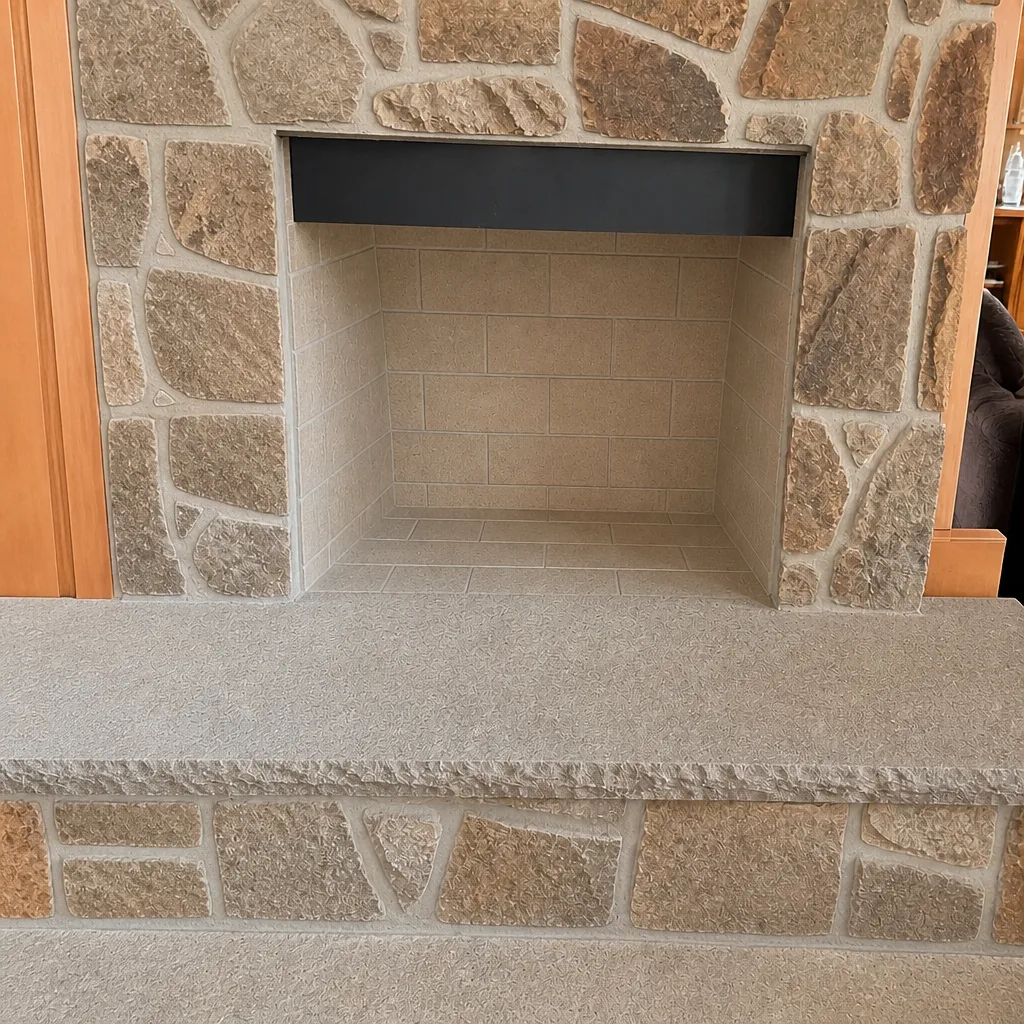
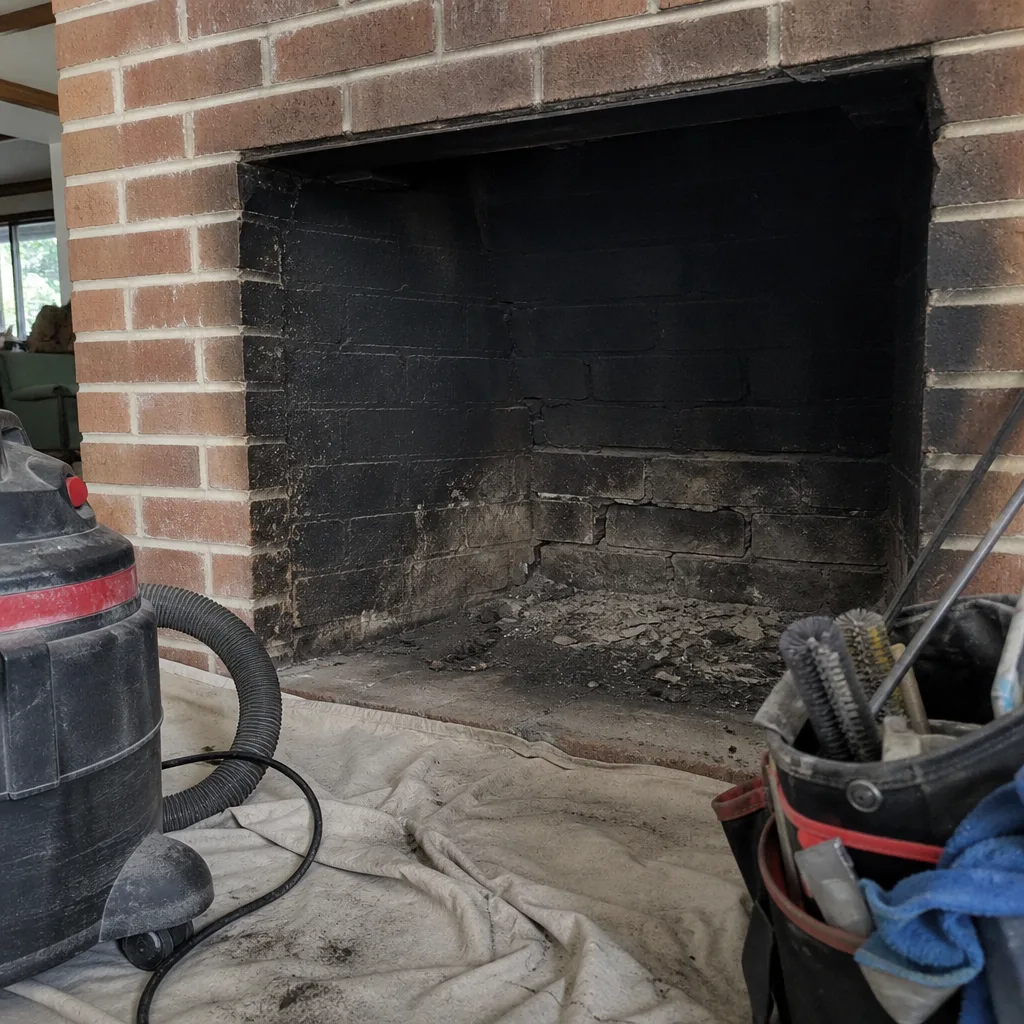
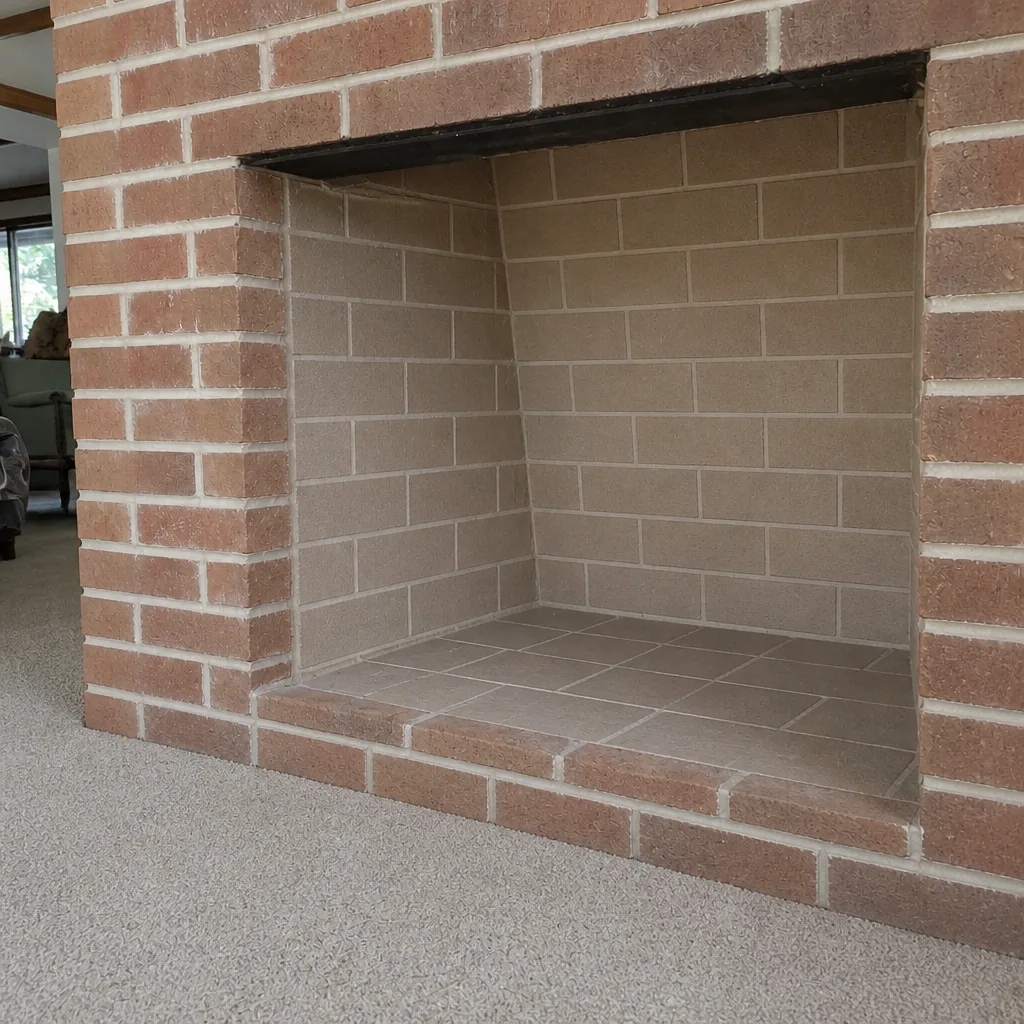
See the difference
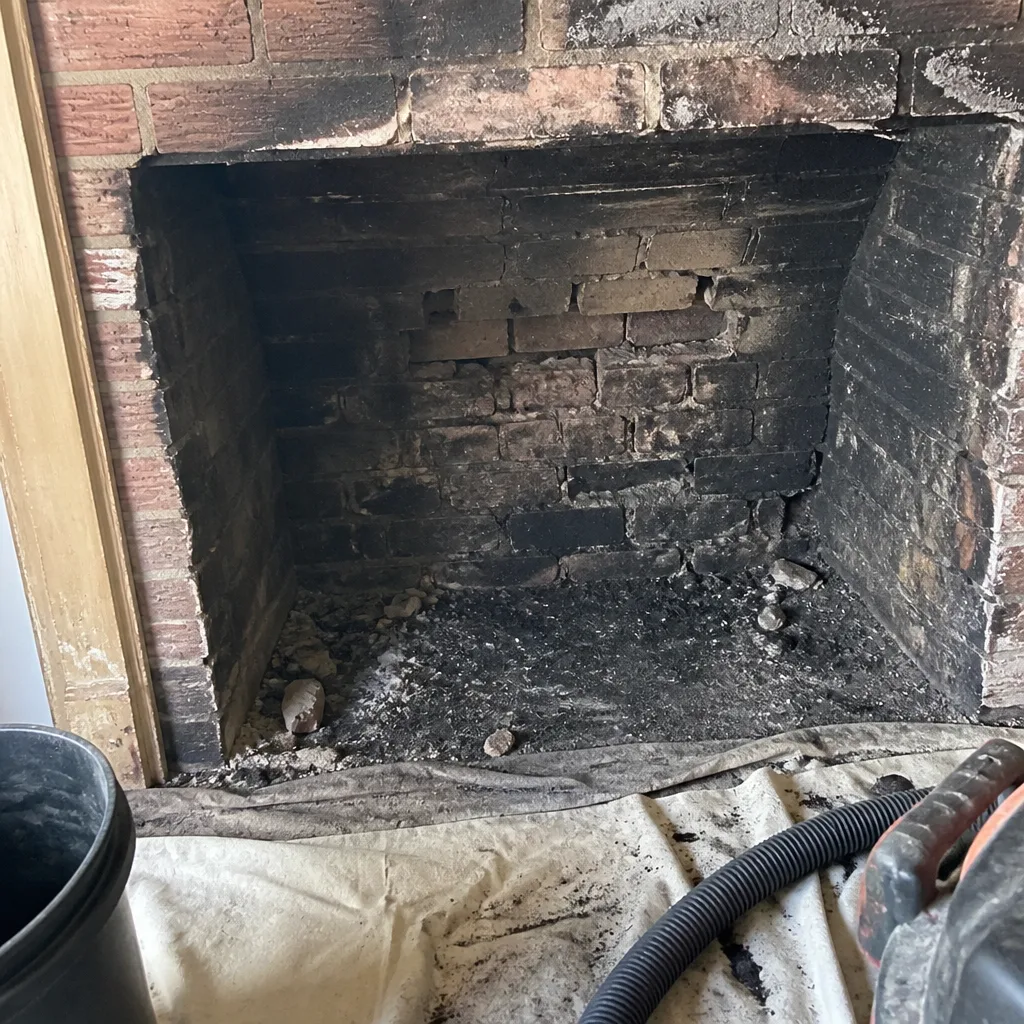 Before
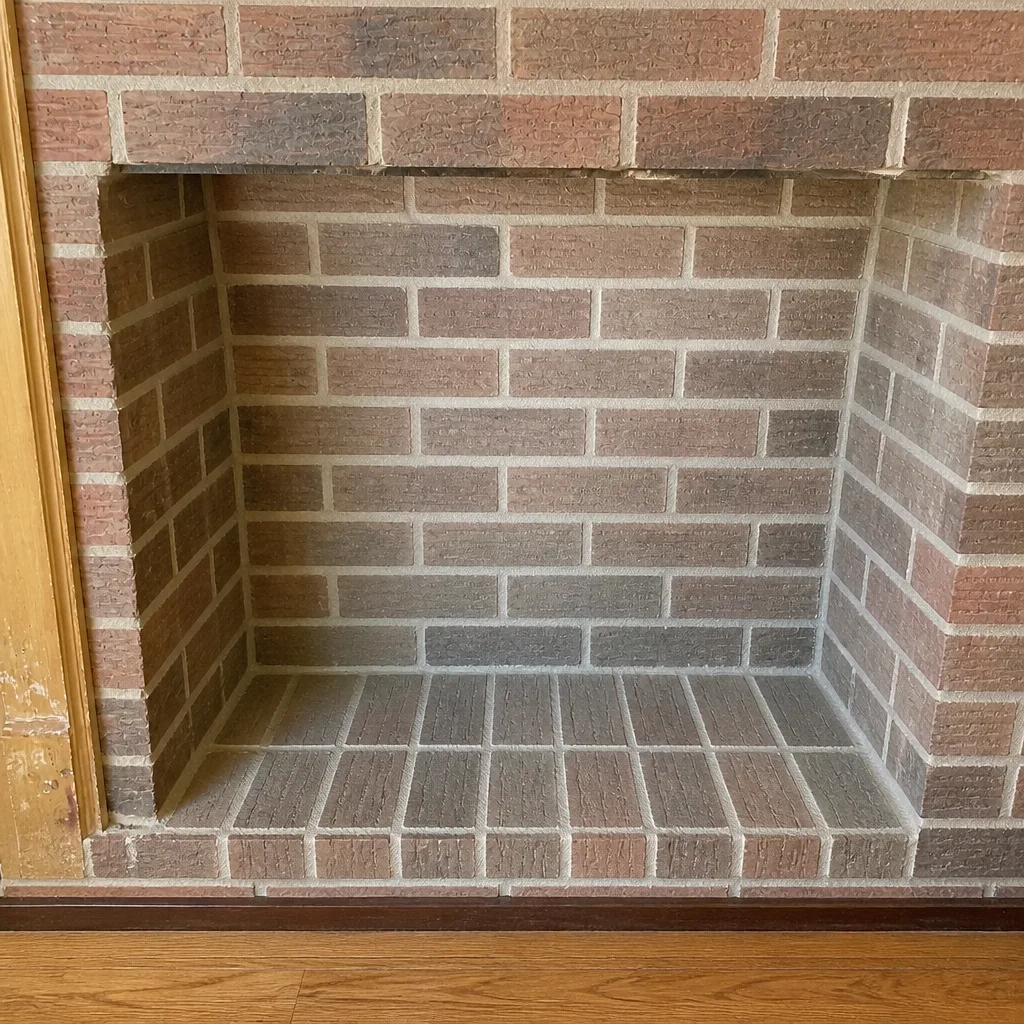 After
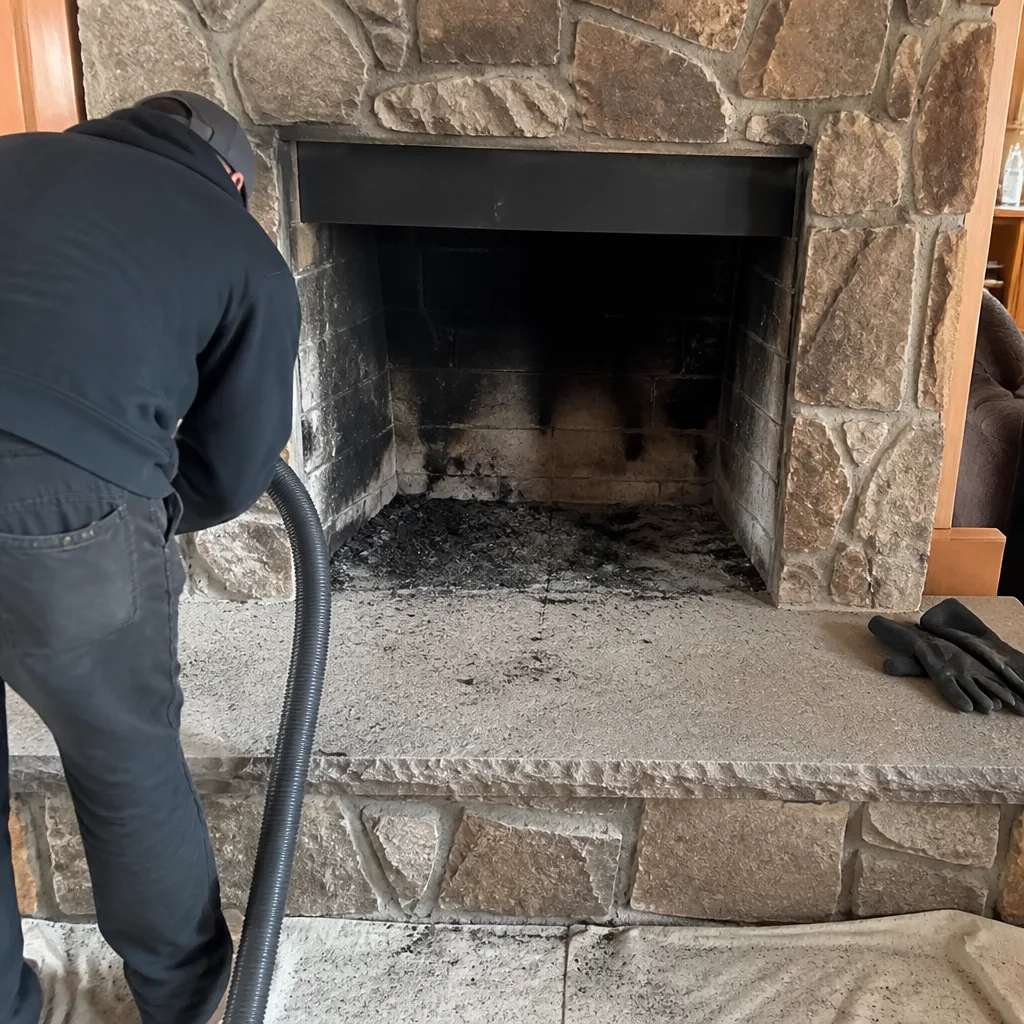 Before
 After
 Before
 After
The Bottom Line
Chimney care in Marysville works best when it’s tied to the seasons rather than to the first cold snap. Spring is for inspecting the cap, crown, and mortar after the freeze-thaw cycle. Summer is for repair work, when dry weather lets mortar and sealants cure correctly. August is for the sweep, when deposits are readable and schedules are open. Fall is for readiness: a draft test, seasoned wood, and fresh detector batteries. Winter is for monitoring, with volume-based triggers for a mid-season check. The homeowners who get the most out of their chimneys are the ones who plan the year around that calendar. It’s a small amount of planning that saves a large amount of scrambling later.
Contact
If you’re ready to get the chimney on a schedule, or you want a free estimate on work you’ve been told you need, call (877) 792-7047. We answer 24/7. Fast dispatch from 7am to 7pm, Sunday through Friday. Our technicians have up to 10 years of experience, and we work with the professional-grade materials the trade specifies, including DuraFlex, HeatShield, Gelco, Olympia Chimney, Famco, and Copperfield. We’ll show you what we find and explain what it means before recommending anything.
Written by the team at Chimney Sweep Marysville.