
Last updated November 25, 2026
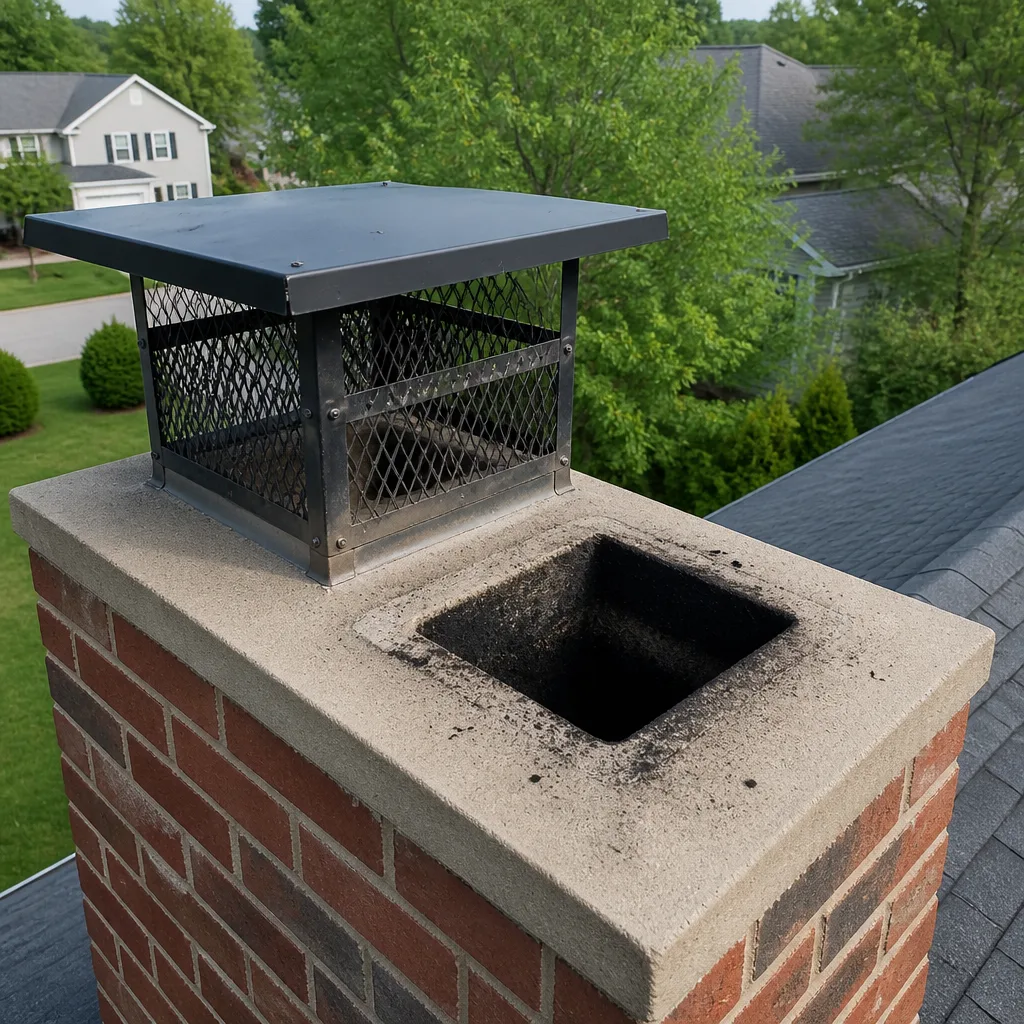 Sweep & inspection
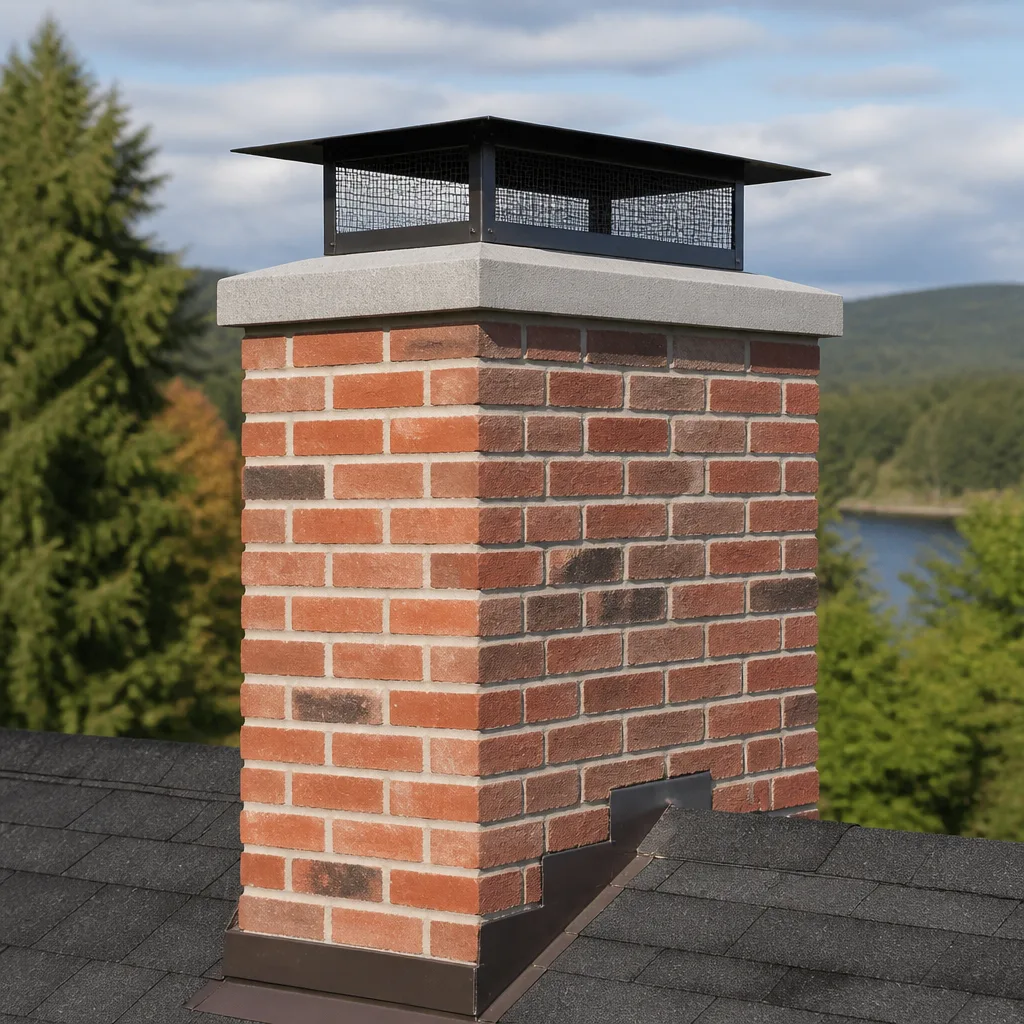 Caps & crowns
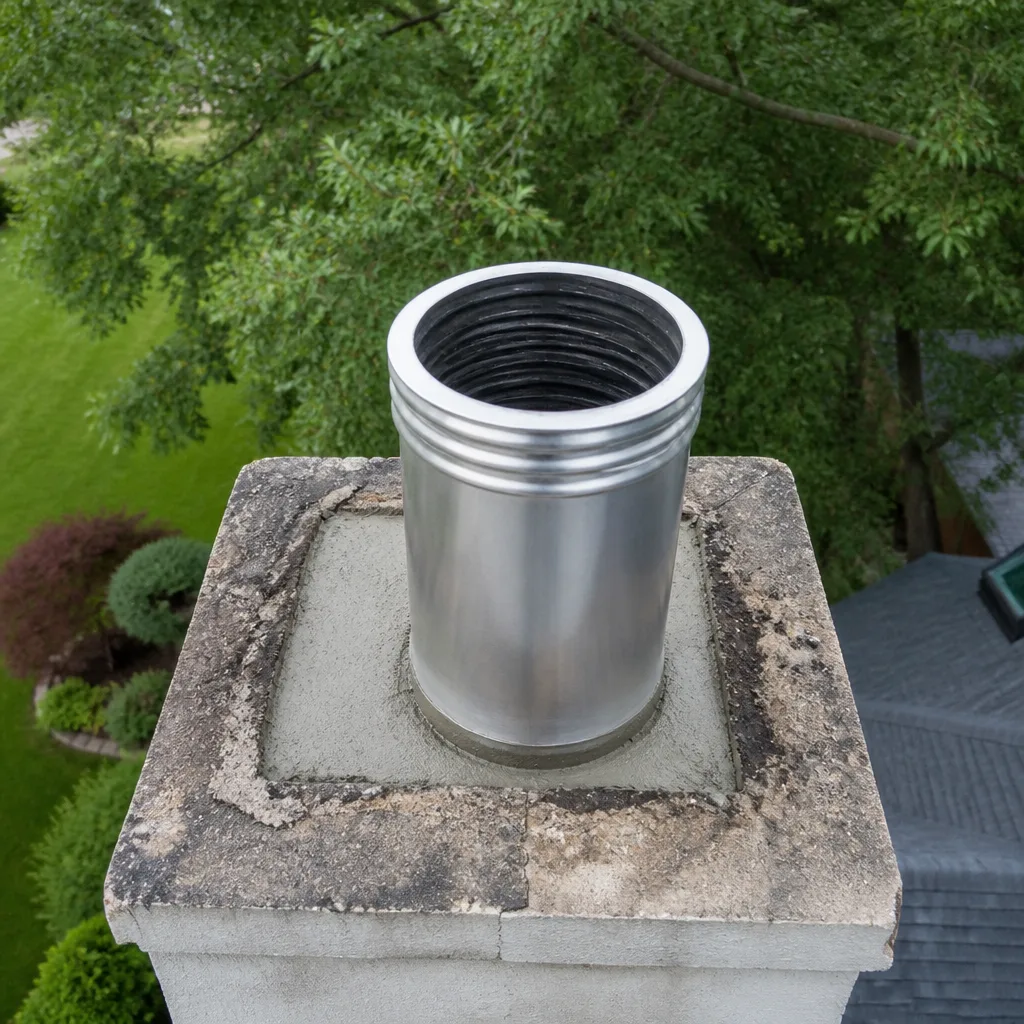 Flue relining
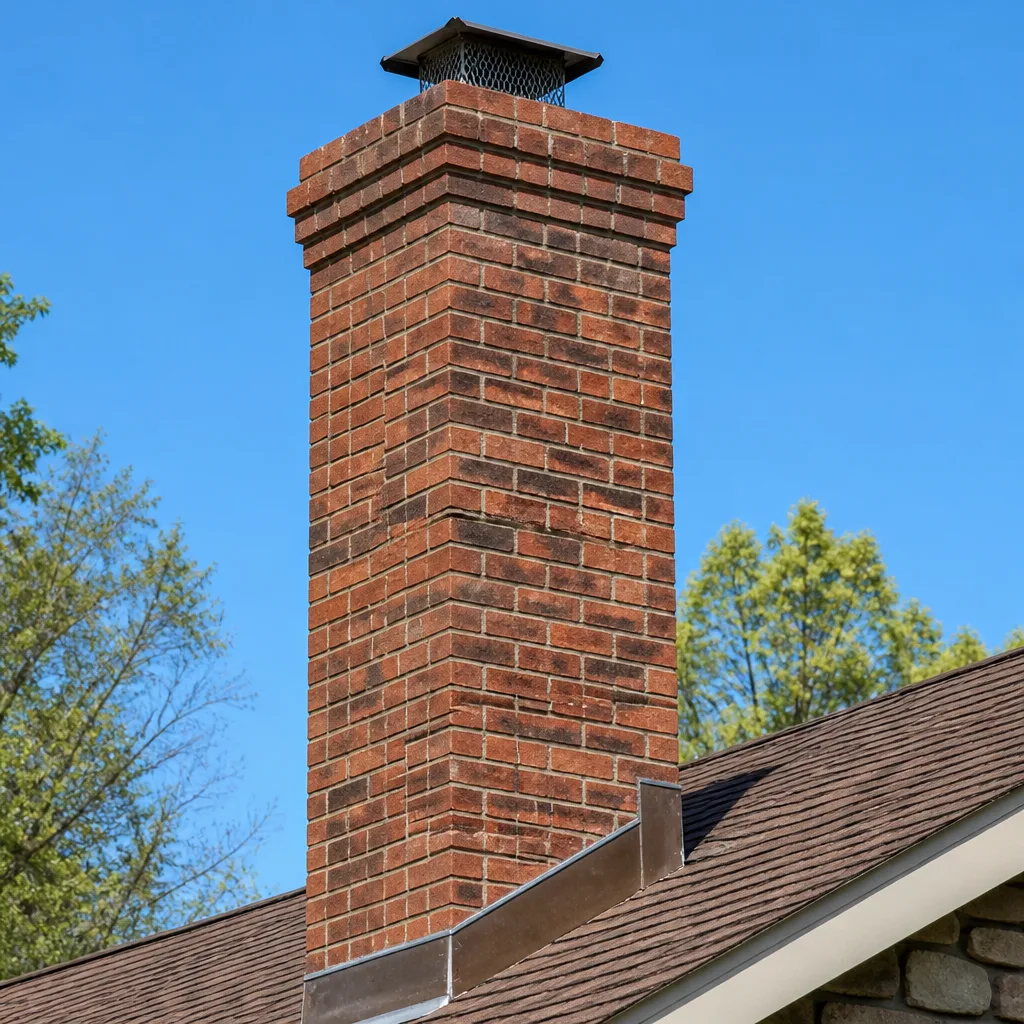 Masonry repair
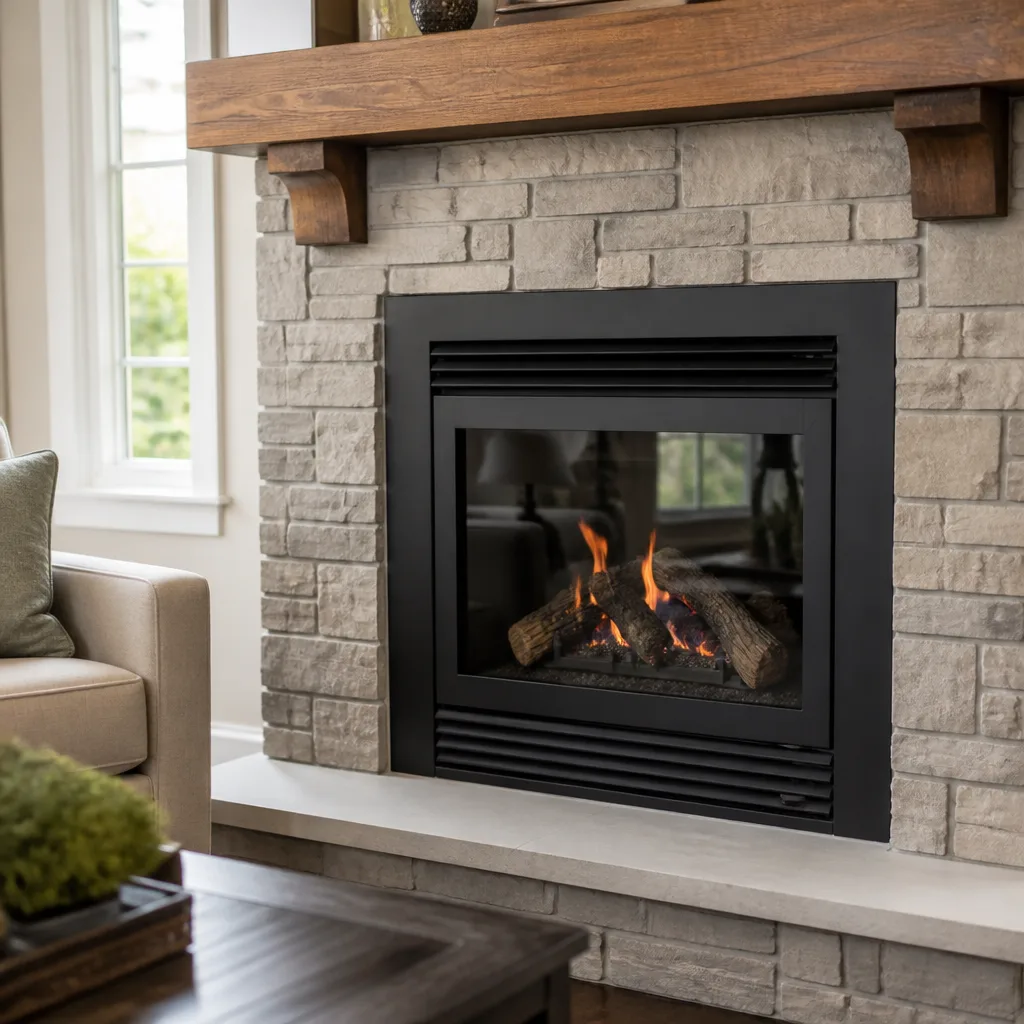 Gas fireplace service
Level 1 sweep and inspection to the NFPA 211 annual standard - flue, crown, cap, and flashing checked and photographed
Chimney sweep logs do not sweep chimneys. They loosen some creosote - which then falls where a brush and vacuum still have to collect it.
Chimney Cleaning Permits, Codes & Inspections in Marysville, WA: What You Need to Know
Most homeowners assume chimney work is chimney work, and that nobody asks questions about it afterward. Here’s the part that catches people off guard: a routine cleaning in Marysville never needs a permit, but the moment a sweep finds a cracked liner and repair begins, you’ve entered a different category of work with its own paper trail. The line between cleaning and alteration is real, it’s written into Washington code, and it usually gets crossed without anyone mentioning it. This guide draws that line precisely: what the county permits, what a Level II report has to contain, which standards inspectors actually reference, and how to keep the record that protects you. If you want the short version first, start with our Chimney Sweep Marysville page, then come back here for the details.
Quick Answer
Routine chimney cleaning in Marysville, WA requires no permit. A permit becomes necessary when the work crosses into repair or alteration of the chimney system, most commonly a flue liner replacement, which Snohomish County treats as an alteration to a mechanical system. Inspections are governed by NFPA 211 and the International Residential Code, and a Level II inspection report is the document a permit application for liner work relies on.
Styles & brands we work with
- Sweep & inspection
- Caps & crowns
- Flue relining
- Masonry repair
- Gas fireplace service
Table of Contents
- Where Cleaning Ends and a Permit Begins
- The Snohomish County Permit Threshold in Detail
- What a Level II Inspection Report Must Contain
- NFPA 211: The Standard Washington Inspectors Reference
- UL 1777 Listed Liners vs. Unlisted Products
- Getting and Keeping Your Final Inspection Sign-Off
- What Makes Marysville Chimneys Different
- Common Mistakes to Avoid
Where Cleaning Ends and a Permit Begins
Cleaning is maintenance. It removes creosote, soot, and blockages from a flue that is otherwise sound. No permit is required for it anywhere in Snohomish County, and no inspection is triggered by it. That’s the easy part, and it’s where a lot of homeowners stop reading.
The moment the technician finds something that needs fixing, the work changes character. A damaged damper, a cracked crown, a failed cap, a flue with cracked or spalled tiles: some of these are repairs that don’t require a permit, and some of them do. The dividing line isn’t the dollar amount or the number of hours. It’s whether the work alters the chimney system in a way the code treats as construction rather than maintenance.
In practical terms, here’s how the categories fall out:
- Cleaning: no permit. Covers brushing, vacuuming, and removing creosote and debris.
- Minor component repair: often no permit. Caps, crowns, dampers, and spark arrestors are typically treated as accessory components rather than structural elements, though your local building department is the authority on your specific case.
- Liner replacement or relining: permit territory. This is the big one, and it’s the one most commonly skipped.
- Firebox or chimney structural alteration: permit territory. Anything that changes the dimensions, materials, or configuration of the system.
We’ve seen plenty of homeowners learn this distinction after the fact, when an insurance adjuster asks for the permit and inspection record on a liner that was replaced a few years earlier. If the liner work was done without a permit, there is no record, and the adjuster’s question has no good answer. That’s the scenario this guide exists to prevent. The work of a proper chimney sweep ends with a report that tells you which category you’re in before anyone picks up a tool.
The Snohomish County Permit Threshold in Detail
Snohomish County building code references the Washington State amendments to the International Residential Code, specifically WAC 51-51, which adopts the IRC with state-specific modifications. Chapter 10 of the IRC covers chimneys and fireplaces. That’s the chapter a permit reviewer is looking at when a relining application crosses their desk.
The key concept is “alteration.” A repair restores something to its original condition. An alteration changes it. Replacing a damaged flue liner with a new liner of the same type and configuration sits on the repair side of that line in some jurisdictions and the alteration side in others. Liner replacement with a different product type, a different diameter, or a different venting arrangement is almost always an alteration, because it changes the system’s rated performance characteristics.
Because so much turns on the specific scope, the practical approach is to ask the building department directly, before the work rather than after. Two things change the answer:
- Unincorporated Marysville vs. city limits. Properties in unincorporated Snohomish County go through Snohomish County’s permit process. Properties inside Marysville city limits go through the city’s own building department. The underlying code is the same, but the submittal requirements, the review timeline, and the inspection scheduling differ. Confirm which jurisdiction your address falls under before you or your contractor pull anything.
- The scope of the alteration. A straight liner swap in a sound masonry chimney with an existing listed liner is a smaller application than a reline in an older home with an offset flue, a damaged crown, and a firebox that needs resurfacing. The second case will pull more scrutiny, and rightfully so.
What the county is looking for, in plain terms, is that the new liner is a listed product, that the installation instructions are followed, that clearances to combustibles are maintained, and that the final installation can be inspected. If your contractor can’t produce the product listing and the installation instructions, the application stalls. If you’re in Marysville and want to know where a given chimney stands before a permit question comes up, call us at (877) 792-7047. We answer 24/7. Fast dispatch from 7am to 7pm, Sunday through Friday.
What a Level II Inspection Report Must Contain
A Level II inspection is the report a permit application for liner work needs. It’s also the report a real estate transaction needs, and the report an insurance company asks for after a chimney fire. It’s the workhorse inspection of the trade, and it’s more than a technician glancing up the flue with a flashlight.
A Level II inspection is performed with video scanning equipment. The camera travels the length of the flue and records what it finds: the condition of the liner, the presence of cracks, gaps, spalling, or offsets, the condition of the smoke chamber and damper, the firebox, the crown, the cap, and the exterior of the chimney above the roofline. The report documents all of it.
What a Level II report should contain, in order of what a permit reviewer or an adjuster cares about most:
- Video or photographic evidence of the flue interior, with the location of any defect noted by height or by flue section. A written description alone is not a Level II inspection.
- The type and condition of the existing liner, whether clay tile, stainless, cast-in-place, or unlined. An unlined flue is a finding, and a significant one.
- Clearance observations where accessible, including the relationship of the chimney to framing and combustibles.
- The condition of the chimney exterior, crown, cap, flashing, and masonry joints.
- The condition of the firebox, damper, and smoke chamber, including any evidence of previous chimney fire.
- Recommendations, clearly separated into what needs doing now and what can safely wait.
That last item matters more than most homeowners expect. A good report tells you what can wait, and a good technician says so plainly. When we finish an inspection in Marysville, you get the camera footage and a photo report, so nothing is recommended that you can’t see for yourself. If a report recommends a full reline without showing you the footage, ask for it before you agree to anything.
NFPA 211: The Standard Washington Inspectors Reference
NFPA 211 is the Standard for Chimneys, Fireplaces, Vents, and Solid Fuel-Burning Appliances. It’s the baseline document that Washington inspectors, insurance adjusters, and chimney professionals all work from, and it’s the standard that defines what a code-compliant chimney system looks like in the first place.
Two areas of NFPA 211 come up constantly in permit and inspection conversations:
- Liner clearances and flue sizing. NFPA 211 sets out the requirements for a flue liner’s integrity and its relationship to the surrounding structure. A liner with a crack that opens into the surrounding masonry is not a liner. It’s a pathway for heat and combustion products to reach materials that were never intended to see them. The standard also addresses flue sizing relative to the appliance, which is why a properly sized new liner sometimes performs noticeably better than the older, oversized flue it replaced.
- Cap requirements. NFPA 211 addresses chimney caps and the protection they provide. A cap keeps rain, debris, and animals out of the flue, and its absence is one of the most common findings in Marysville inspections. The standard also covers spark arrestors on solid fuel systems.
The other thing NFPA 211 defines is the inspection levels themselves, Level I, II, and III. Level I is the routine annual inspection that accompanies a cleaning, done without video scanning. Level II is the video-scanned inspection described above, required whenever a change is being made to the system, a property changes hands, or an event like a chimney fire has occurred. Level III is a diagnostic inspection that involves accessing concealed areas, and it’s used when a Level II finds a problem that can’t be resolved without opening something up.
In our experience, the confusion in Marysville usually comes from the inspection level. A homeowner has a cleaning done every year and assumes the annual inspection covers everything. It covers a lot, but it doesn’t cover a liner replacement, and it doesn’t produce the video record a permit application or an insurance claim will ask for. Knowing which level you’re getting, and why, is half the battle.
UL 1777 Listed Liners vs. Unlisted Products
A UL 1777 listed liner is a chimney relining system that has been tested as a system by Underwriters Laboratories and carries a listing mark to prove it. An unlisted liner is a length of metal or a cast-in-place product that has not been tested as a complete system, or a listed liner installed in a way the listing doesn’t permit. Washington inspectors will flag the latter, and it’s the single most common permit problem we see with liner work.
The distinction matters because a listing is specific. It covers a particular product, tested to a particular standard, installed in a particular way. A stainless liner that is listed when installed with the manufacturer’s specified components may not be listed when installed with a generic connector, a different termination, or a routing that exceeds the tested configuration. The product on the truck doesn’t carry the listing. The product installed as specified carries the listing.
This is why the material brands matter in a permit conversation, not just a quality conversation. A specification-grade flexible liner system like DuraFlex is a listed product with published installation requirements and a documented configuration. When a permit application asks what’s going in the flue, that documentation is the answer.
The same principle applies to cast-in-place resurfacing. HeatShield is a ceramic resurfacing method for flue liners and smoke chambers that can restore a damaged liner’s integrity without a full reline in the right circumstances. It’s a product-specific process that requires product-specific training, and it isn’t a substitute for a listed liner where the liner is beyond restoration. Knowing which method applies is a judgment call the technician makes after seeing the camera footage, and it’s the difference between a repair that holds and one that has to be redone.
For the components around the liner, cap, crown, and connector work, we specify from professional-trade sources like Copperfield and Famco because the parts need to match the system they’re going into. Uncommon configurations and custom fits are within reach rather than a reason to delay the job.
For uncomplicated repairs and the annual sweep itself, a straightforward chimney sweep is the right starting point whether or not the material question is on the table.
Getting and Keeping Your Final Inspection Sign-Off
When a permitted chimney job is complete, the work gets inspected by the jurisdiction that issued the permit, and the inspection results in a final sign-off. That sign-off is the document that proves the work was done to code, and it belongs in your property records, not in a contractor’s file cabinet.
Getting a copy is straightforward. Request it from the building department that issued the permit, which is either Snohomish County or the City of Marysville depending on your address. Permits are public record, and the inspection history attached to a permit is available on request. Here’s the process:
- Get the permit number from the contractor, the permit card posted at the job, or the building department’s records.
- Request the inspection record for that permit number from the issuing department. County permits go through Snohomish County; city permits go through the City of Marysville.
- Confirm the final inspection is marked as passed. Any open or failed inspection on the record is worth resolving before it becomes someone else’s question.
- Keep a copy with your property records alongside the product documentation and the Level II report. An insurance claim or a future sale will ask for all three.
Why keep it? Because a chimney fire claim, a home sale, and a future permit application on the same chimney all ask the same question: was the work done properly, and can you prove it? A permit sign-off answers that question in one page. The absence of one creates a gap that no amount of explanation fills.
If you’ve inherited a house with a liner of unknown provenance, or you’re in Marysville and want an independent look at what’s actually in the flue, call (877) 792-7047. We answer 24/7. Fast dispatch from 7am to 7pm, Sunday through Friday.
What Makes Marysville Chimneys Different
The permit rules are the same across Snohomish County. The chimneys they apply to are not all the same, and Marysville has some patterns worth knowing.
The housing stock ranges widely. Older homes in the central part of the city often have masonry chimneys with clay tile liners that have been in service for decades, and clay tile cracks. It’s what happens over time as the flue heats and cools through the seasons. A cracked tile liner in an older Marysville chimney is one of the most common findings a Level II inspection produces, and it’s exactly the finding that moves a job from cleaning into liner work.
Newer construction frequently goes the other way: a factory-built appliance with a listed chimney system and a straightforward flue that holds up well with routine maintenance. The difference in what a technician finds between the two is significant, and it’s why a report with camera footage matters more than a generic recommendation.
The climate does the rest. Western Washington’s wet fall and winter mean the chimney spends months exposed to moisture, and the crown takes the worst of it. A cracked crown lets water into the masonry, and water in the masonry is the root of a lot of the damage that shows up in a spring inspection. A cap in good condition and a crown that sheds water properly go further toward preserving a Marysville chimney than most homeowners realize.
And then there’s the burn season. In our experience, most Marysville homeowners light the first fire somewhere around the start of the wet season, and the chimney sits idle through the summer. That idle period is when the inspection should happen, not after the first fire smells wrong. Scheduling a clean inspection before burning season starts gives you the time to handle a repair properly rather than working around a burning restriction.
When a repair is needed, we handle the full chimney system in one relationship: sweep, inspection, cap and crown, and the chimney repair that follows. The technician who inspects is the same specialist who performs the repair, which means there’s no handoff and no gap between the finding and the fix.
Common Mistakes to Avoid
- Assuming the annual sweep covers a liner replacement. It doesn’t. A cleaning and a Level I inspection are maintenance; a liner replacement is permitted work that requires a Level II inspection first. Confusing the two leaves you with a repair that has no permit record.
- Skipping the permit because the work is “just a liner.” A liner replacement is the most common repair that crosses the county’s permit threshold. It’s also the most common repair done without one, and the absence shows up years later when someone asks for the record.
- Pulling the permit in the wrong jurisdiction. A Marysville address in unincorporated Snohomish County needs a county permit, and the same-looking address inside city limits needs a city permit. Get the jurisdiction right before the application is filed.
- Accepting an unlisted or improperly installed liner. A listed product installed off-specification is not a listed installation. Inspectors in Washington know the difference, and they will flag it.
- Not asking which inspection level you’re getting. If the report doesn’t say Level I, Level II, or Level III, ask. The level determines what the report covers and whether it satisfies a permit, a sale, or an insurance claim.
- Throwing away the inspection report and the final sign-off. Both belong with your property records. Without them, a future sale or claim becomes a conversation you can’t win with documents.
- Letting a crown crack go through the rainy season. Water in the masonry is damage in progress. A cracked crown that waits through a Western Washington winter often turns into a bigger repair by spring.
See the difference
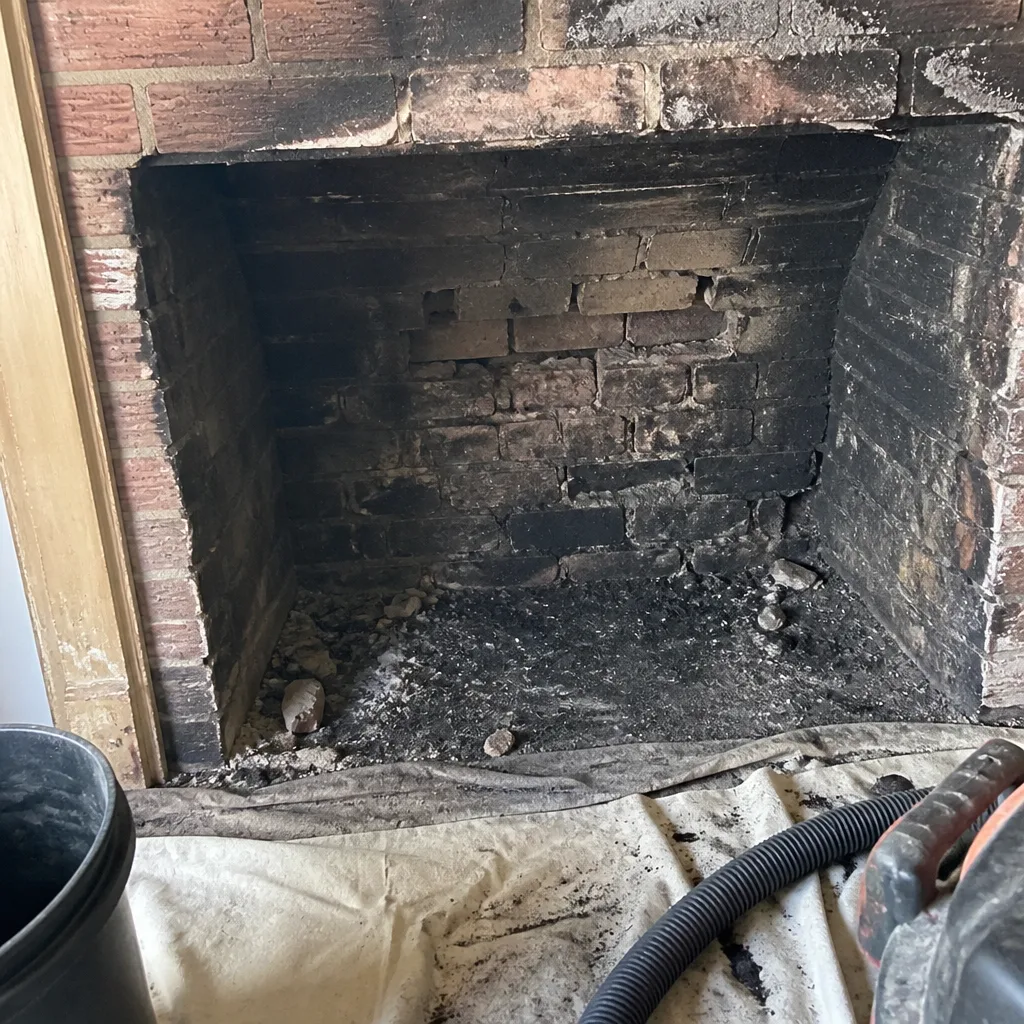 Before
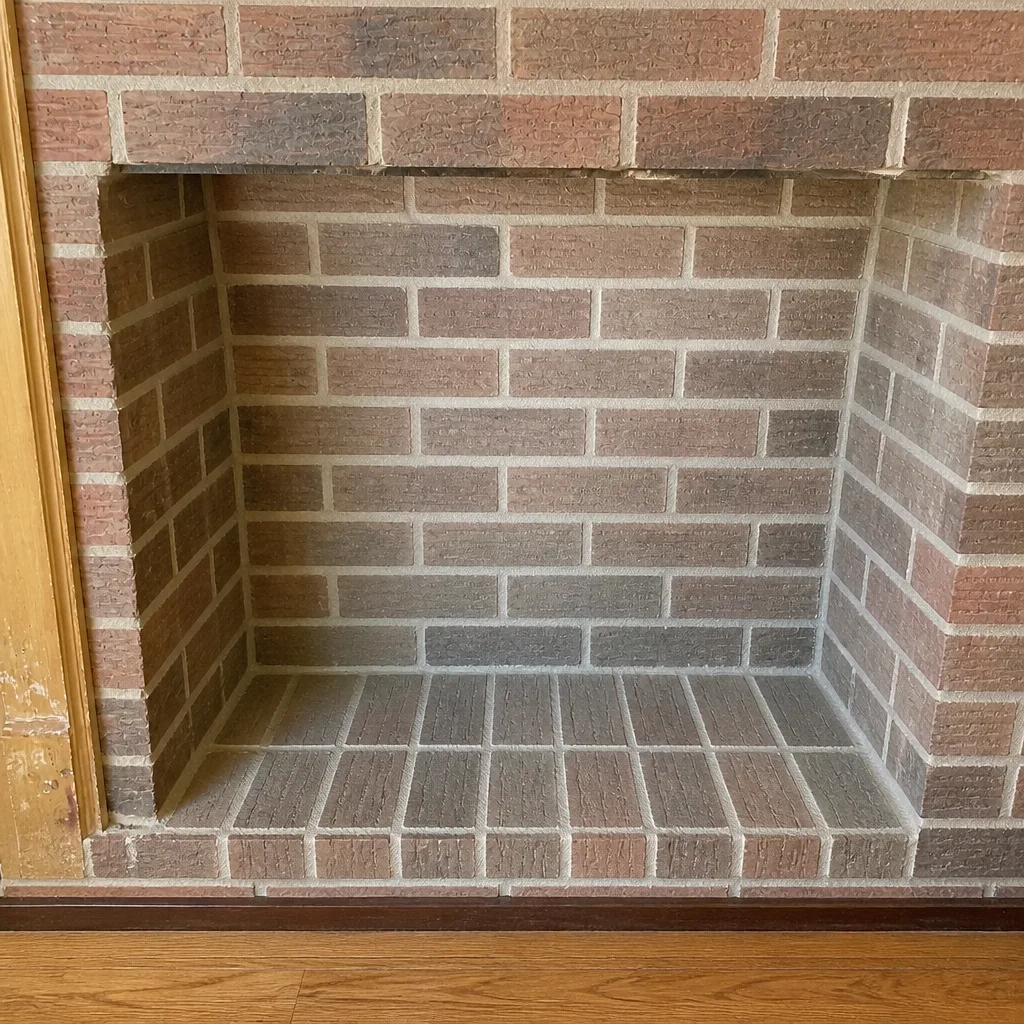 After
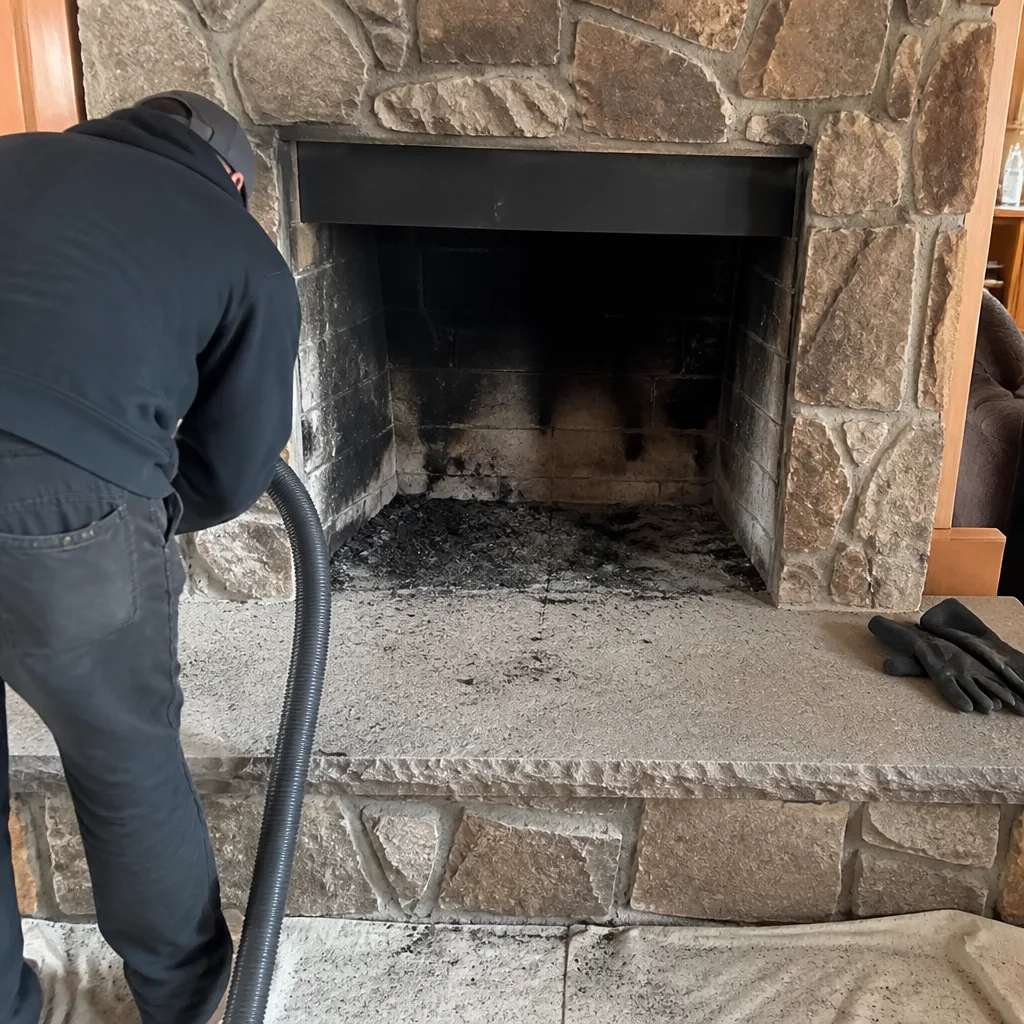 Before
 After
 Before
 After
When to Call a Professional
Call when the flue hasn’t been inspected since the last owner lived there, when the chimney smells smoky in warm weather, or when a fire has drawn poorly or drafted back into the room. Call after any chimney fire, even a small one that went out on its own, because the damage is inside the flue where you can’t see it and a Level II inspection is the only way to know. Call before burning season starts rather than after the first fire, so a repair can be planned instead of rushed. And call before any liner work proceeds, so the permit question is settled before the job, not after it. Chimney Sweep Marysville offers free estimates in Marysville, so call (877) 792-7047. We answer 24/7. Fast dispatch from 7am to 7pm, Sunday through Friday. For fireplace work, our fireplace repair page covers what that involves.
Frequently Asked Questions
No. Routine chimney cleaning in Marysville requires no permit and triggers no inspection. A permit becomes necessary when the work crosses into repair or alteration of the chimney system, most commonly a flue liner replacement. If a sweep finds liner damage during a cleaning, that’s the moment to ask the permit question. Call (877) 792-7047 for an exact quote, estimates are free.
It usually does, because Snohomish County treats a liner replacement as an alteration to a mechanical system under the state’s adoption of the International Residential Code. The exact determination depends on the scope and on whether your address is in unincorporated county or inside Marysville city limits. Confirm with the building department that has jurisdiction before work starts. Call (877) 792-7047 for a free estimate on liner work.
A Level I inspection is the routine annual check that goes with a cleaning, done without video scanning. A Level II inspection uses video equipment to scan the full length of the flue and produces a documented report with footage, which is what a permit application, a home sale, or an insurance claim will ask for. If you need the record, you need Level II. Call (877) 792-7047 with questions about which level applies to you.
Request it from the building department that issued the permit, using the permit number, and confirm the final inspection is marked as passed. County permits go through Snohomish County and city permits through the City of Marysville. Keep the sign-off with your product documentation and Level II report. Call (877) 792-7047 for a free estimate on any chimney work.
You end up with no permit record and no final inspection sign-off, which is exactly what an insurance adjuster or a future buyer will ask for. The remedy is to have the installation inspected on its own merits, which starts with a Level II inspection to document what’s actually in the flue. Call (877) 792-7047 to schedule one.
It matters, because the listing applies to the product installed as specified, and an unlisted or off-specification installation is what Washington inspectors flag. A liner can look intact and still fail the listing test on configuration or components. The documentation is the proof. Call (877) 792-7047 for a free estimate if you’re uncertain what’s in your flue.
The Bottom Line
Cleaning is maintenance and never needs a permit. Repair is where the line gets crossed, and liner replacement is the repair most likely to cross it. A Level II inspection with video documentation is the report that satisfies a permit application, a home sale, and an insurance claim. NFPA 211 is the standard everyone references, and UL 1777 is the listing that matters for the liner itself. The final inspection sign-off belongs in your property records, not in a contractor’s file. Know which jurisdiction your Marysville address falls under, handle the permit before the work rather than after, and keep the paperwork. That’s the whole game.
If you’re in Marysville and want to know where your chimney stands before a permit question comes up, call (877) 792-7047 for a free estimate. We answer 24/7. Fast dispatch from 7am to 7pm, Sunday through Friday. We’ll bring the camera, show you the footage, and tell you plainly what needs doing now and what can safely wait.
Written by the team at Chimney Sweep Marysville.