
Last updated November 25, 2026
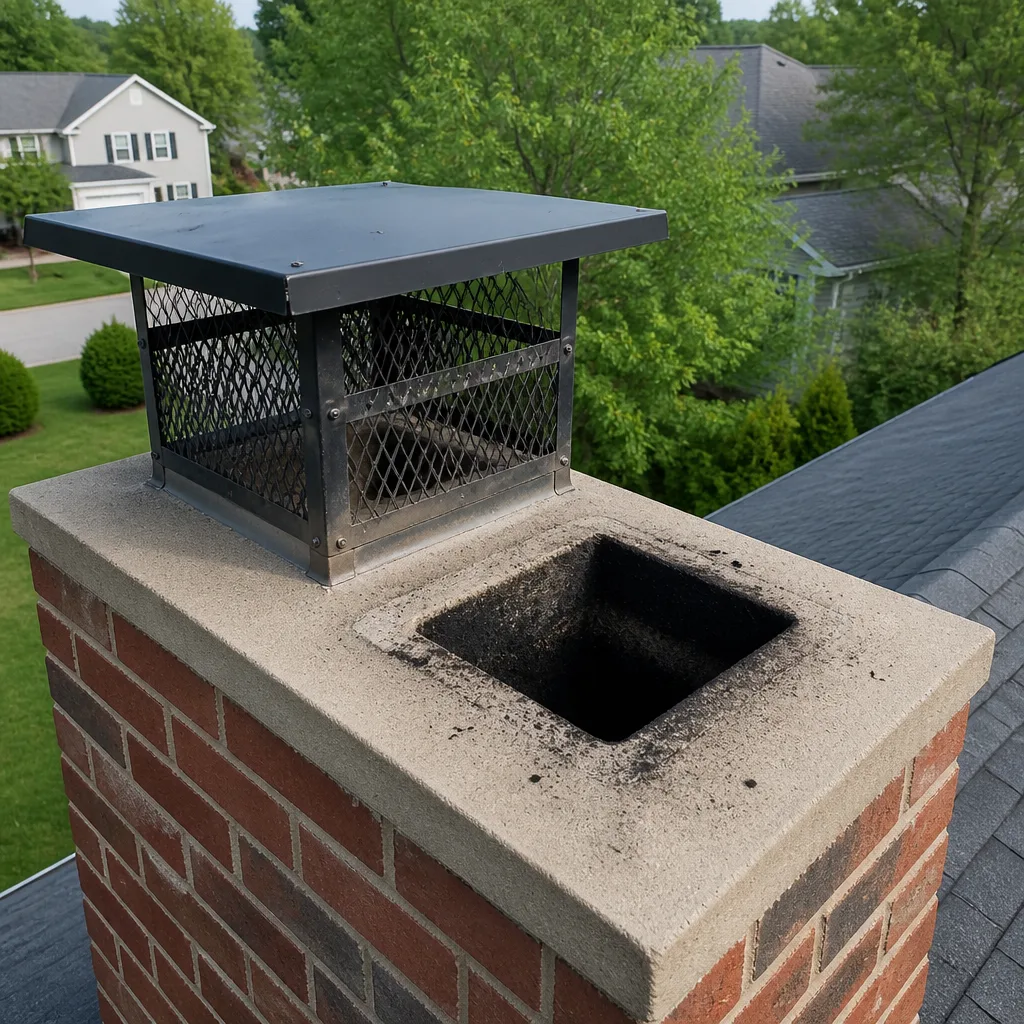 Sweep & inspection
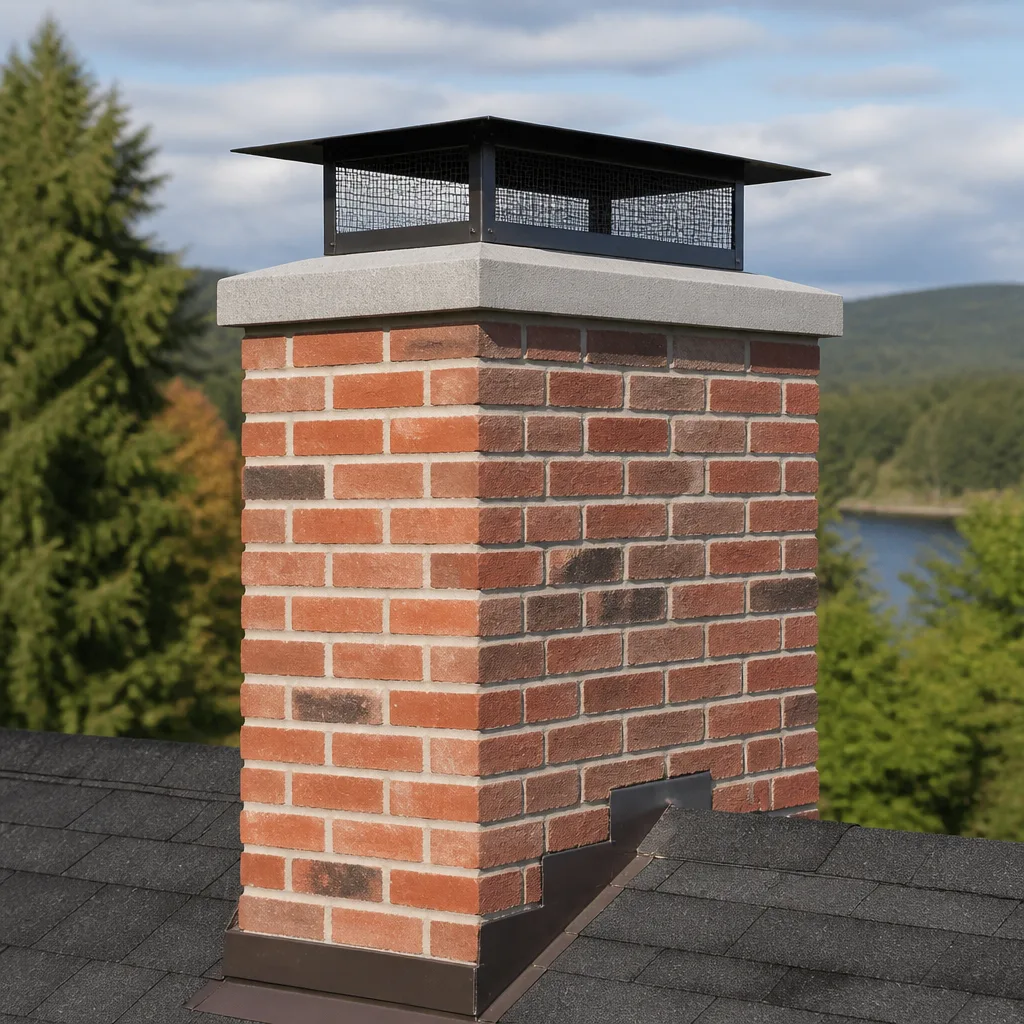 Caps & crowns
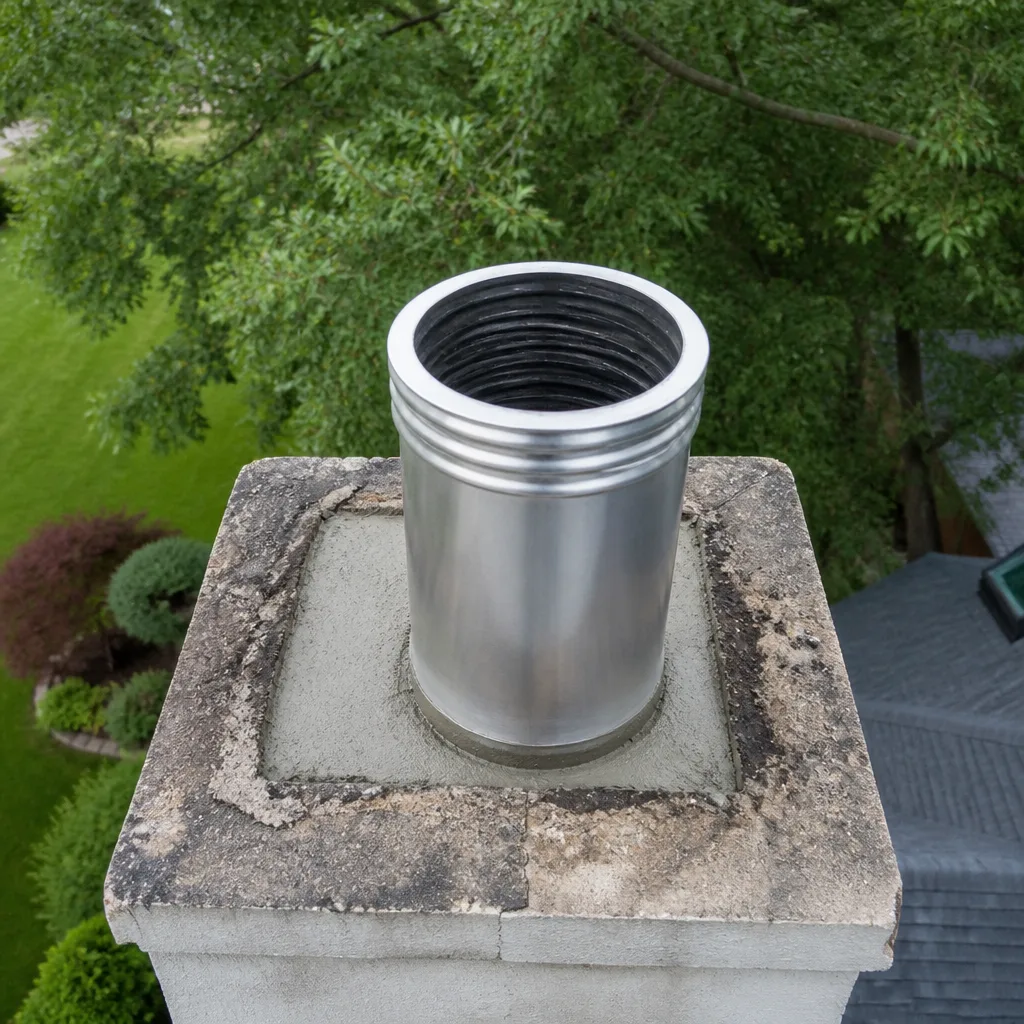 Flue relining
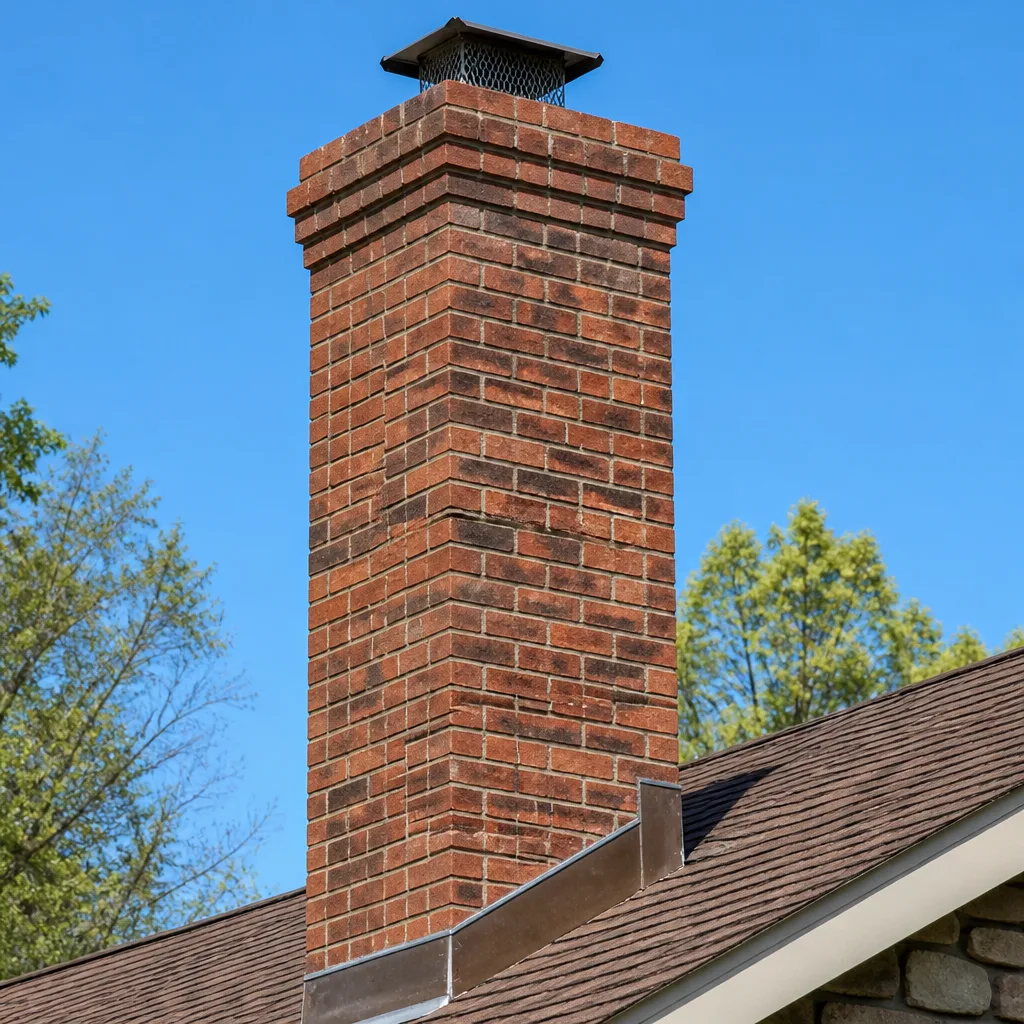 Masonry repair
 Gas fireplace service
Level 1 sweep and inspection to the NFPA 211 annual standard - flue, crown, cap, and flashing checked and photographed
Chimney sweep logs do not sweep chimneys. They loosen some creosote - which then falls where a brush and vacuum still have to collect it.
Chimney Cleaning Emergency Preparedness Guide for Marysville Homes
During a chimney fire, the correct first action is not to call a sweep. It’s to close the damper and shut off the air supply to starve the fire, get everyone out, and call 911. Then you call your sweep the next morning, because the fireplace cannot be used again until a Level II inspection with a camera confirms the liner survived. Most Marysville homeowners have never rehearsed that sequence. This guide walks through it step by step, along with the windstorm scenario that pulls caps off in Snohomish County, the carbon monoxide events that start with a blocked flue and no fire at all, and what to document for your insurer afterward. Think of it as a protocol you read now and hope you never need.
Quick Answer
In a chimney fire, close the damper and air intakes, evacuate everyone, call 911, then book a post-fire inspection before lighting another fire. If a storm displaces your cap or cracks your crown, stay off the roof and cover the opening from inside if you safely can. If your carbon monoxide alarm sounds, treat it as a blocked flue until a professional proves otherwise, leave the house, and call 911. In every case, the fireplace stays cold until a camera inspection clears it.
Styles & brands we work with
- Sweep & inspection
- Caps & crowns
- Flue relining
- Masonry repair
- Gas fireplace service
Table of Contents
- How do you respond to a chimney fire in Marysville?
- What happens after a chimney fire?
- What do you do when a windstorm damages your chimney?
- How do you tell a carbon monoxide event from a smoke problem?
- How do you prepare a chimney before the first cold snap?
- What should you document for insurance after a chimney emergency?
- What warning signs should never be ignored?
- Why do chimney emergencies cluster in Marysville?
How do you respond to a chimney fire in Marysville?
The answer is a sequence, and the order matters. Close the damper and any air controls first to cut the oxygen feeding the fire, then get everyone out of the house, then call 911. Calling a sweep comes after, not during.
A chimney fire feeds on creosote, the tar-like residue that builds up on flue walls when wood burns inefficiently. It can sound like a low roar, a train rumble, or a series of pops. You may see flames or thick smoke from the top of the chimney, or glowing at the cap. You may see none of that and still be having one, which is why the sound and the smell of a hot, acrid draft matter as much as visible fire.
Here is the full response sequence:
- Close the damper and air supply. This starves the fire of oxygen. Do it before anything else if you can reach the controls safely.
- Get everyone out, and decide on evacuation by these triggers: visible flames spreading outside the chimney, smoke entering the living space, a burning smell in rooms away from the fireplace, or any doubt at all. When in doubt, leave.
- Call 911. Marysville Fire District 12 responds to chimney fires, and a fire department response gives you a written report you’ll need later.
- Do not re-light the fireplace. Not that night, not the next night, not until an inspection clears it.
- Call your sweep the next morning to book a post-fire Level II inspection with a camera.
One thing worth knowing in advance: a fire department may put water down a hot flue, and that thermal shock can crack tiles or damage a liner that survived the fire itself. That’s another reason the camera inspection isn’t optional. The technician who inspected the chimney is the same specialist who performs any chimney repair the inspection calls for, so there’s no handoff to a second crew.
We’ve seen chimneys in Marysville come through a fire with the liner intact and we’ve seen tiles spall from the heat alone. You can’t tell from the outside.
What happens after a chimney fire?
After a chimney fire, the fireplace must not be used until a Level II inspection, including a camera scan of the flue, confirms the liner is intact. This is not a caution we invented. NFPA 211, the standard that governs chimneys and vents, calls for a Level II inspection after any chimney fire, and the reason is simple: heat cracks, spalling, and displaced joints hide behind the flue wall where no flashlight reaches.
A Level II inspection goes further than the visual check you’d get with a routine sweep. It uses a camera run down the flue to look at the liner’s full length, the smoke chamber, and the connection at the appliance. The technician records what the camera shows and rates the liner’s condition in a written report.
What the report can find:
- Hairline cracks in clay tile liners that let heat reach framing
- Spalled or missing tile sections where creosote sat and burned hot
- Displaced joints from thermal expansion during the fire
- Damaged or warped caps and cracked crowns
- Creosote still glazed onto the flue walls after the fire
If the liner is damaged, the fix usually means relining. We specify DuraFlex flexible liner systems for that work because a flexible liner follows the offset and irregular flue configurations common in older Snohomish County homes, where a rigid liner simply won’t pass. If the damage is surface-level glazing and cracking rather than a failed liner, HeatShield ceramic resurfacing can restore the flue without a full reline. HeatShield application requires product-specific training, and we’re certified to apply it. The choice between the two depends on what the camera sees, never on a guess.
A blocked or damaged flue after a fire is also a carbon monoxide pathway. Until the inspection clears it, treat the fireplace as out of service.
What do you do when a windstorm damages your chimney?
When a Snohomish County windstorm displaces a cap or cracks a crown, stay off the roof. Cover the flue opening from inside the firebox if you can reach it safely, note the damage, and book a professional inspection before the next rain or the next fire.
Marysville sits where weather comes off the water and across the flats, and the region’s windstorms are strong enough to lift caps, shear fasteners, and open cracks in crowns that were already failing. A crown is the concrete or masonry cap at the top of the chimney that sheds water away from the flue. Once it cracks, water gets into the masonry and into the flue, and freeze-thaw cycles over the winter widen the damage.
What to check from the ground after a storm, with binoculars and no ladder:
- Is the cap still seated, or has it shifted, tilted, or disappeared?
- Are there fresh cracks or missing chunks in the crown?
- Is there brick or mortar debris on the roof or in the yard?
- Is water staining appearing on ceilings or around the firebox inside?
- Does the flue smell damp, or does the fireplace draft poorly?
If the cap is gone, an open flue takes in rain directly, and it also gives birds and squirrels a way in. A bird nest in a flue is a carbon monoxide risk even with no fire burning, because it narrows the passage the smoke and gases are supposed to travel through. We source caps and crown components from Olympia Chimney and Copperfield, two professional distributors with broad parts catalogs, so uncommon sizes and custom fits are within reach rather than a reason to postpone the repair. Cap and crown installation and repair sit inside our chimney scope, which means a storm repair doesn’t leave you hunting for a second contractor to finish the job.
How do you tell a carbon monoxide event from a smoke problem?
A carbon monoxide alarm sounds a steady, loud pattern with a voice or text identifying CO, while a smoke alarm uses the familiar three-beep pattern. The difference matters because a CO event can happen with no fire burning and no smoke visible at all. Treat every CO alarm as a flue problem until a professional rules it out, get everyone outside, and call 911.
Carbon monoxide is colorless and odorless. It’s produced whenever fuel burns, and a chimney’s job is to carry it up and out. When the flue is blocked by a bird nest, debris, a collapsed liner section, or a displaced cap, the gas has nowhere to go but back into the house. A cold chimney on the first cold snap of the season drafts poorly, and poor draft pushes exhaust into the living space.
Signs that a chimney may be causing a CO problem, whether or not the alarm has sounded:
- Headaches, dizziness, or nausea that improve when you leave the house
- A stuffy, stale smell in rooms near the fireplace
- Soot streaks or stains around the firebox or on the chimney face
- A fireplace that smokes into the room instead of drafting up
- A furnace or water heater venting into the same flue as the fireplace
Never test for CO by smell or by feel. The alarm is the test. If it sounds, leave the house and call 911, then book a chimney inspection before using any fuel-burning appliance connected to that flue. A blocked flue from a bird nest or debris is a CO risk even with no fire burning. That’s the sentence to remember.
How do you prepare a chimney before the first cold snap?
Book a chimney sweep and inspection before the first cold snap, not after. Marysville’s burning season starts when the weather turns in November, and that’s when every sweep in the area is booked out. Getting the chimney checked in the weeks before the season starts means you’re not the one calling on a cold Friday night with a problem that could have been caught.
Preparation is mostly about removing the conditions that cause emergencies:
- Get the flue swept to clear creosote before it can accumulate to a dangerous glaze.
- Book an inspection so any liner cracks, crown damage, or cap problems are found before they fail in a storm.
- Check the cap and crown from the ground, with binoculars, and note anything that looks loose or cracked.
- Test every smoke and CO alarm in the house and confirm the batteries are fresh.
- Confirm the fireplace damper opens and closes fully and seals when closed.
- Keep a fire extinguisher near the fireplace, and make sure everyone in the house knows where it is.
- Store seasoned wood away from the house and keep the firebox clear of paper, kindling piles, and decorations.
If you’re not sure when your chimney was last swept, that’s your answer: it’s due. A sweep that finds a cracked crown before the rains start is a repair. A crown that fails in a January windstorm is an emergency. Our technicians have up to 10 years of experience, and the sweep includes a camera inspection and a photo report, so you can see what the flue looks like with your own eyes rather than take our word for it. The flat price for the sweep is agreed before we book.
What should you document for insurance after a chimney emergency?
For insurance, document the chimney emergency with a photo sequence, the fire department report number, and your sweep’s written post-incident report with a liner condition rating. Insurers want evidence of what happened and what condition the chimney was in, and a fire department report plus a professional inspection report are the two documents that answer both questions.
Here’s what to gather and keep:
- A photo sequence: exterior damage, interior staining, the firebox, the flue opening, and any debris. Take wide shots first, then close-ups, so the sequence tells the story.
- The fire department report number from Marysville Fire District 12, if they responded.
- Your sweep’s written post-incident report, including the liner condition rating and the camera findings.
- Any contractor estimate or invoice for the repair or reline.
- A dated note of when the fire happened and when the chimney was last swept or inspected before it.
We can work with your insurer on the documentation side, and the written report and photo record from the inspection are the parts insurers ask for most. The technician who does the post-fire inspection is the one who writes the report and, if repair is needed, performs it, so the record and the repair come from the same source. Nothing gets recommended without camera evidence you can see for yourself.
What warning signs should never be ignored?
Some warning signs mean stop using the fireplace today. Others mean book an inspection soon. Knowing which is which keeps a small problem from becoming an emergency.
Stop using the fireplace and call a professional if you see:
- Flames or glowing at the top of the chimney
- A roaring, rumbling, or popping sound from the flue
- Smoke entering the room from the firebox or damper
- A CO alarm sounding anywhere in the house
- Soot or creosote streaks on the chimney face or firebox surround
- Visible cracking or missing pieces in the crown, or a loose cap
Book an inspection soon if you notice:
- The fireplace drafts poorly, or smoke lingers in the room
- A strong creosote smell, especially in warm weather
- Water stains on the ceiling or around the firebox
- Animals or birds getting into the chimney
- It’s been more than a year since the last sweep or inspection
Creosote is the underlying risk in most chimney fires, and it builds up quietly. Glazed creosote, the hard, shiny third-stage type, is the most dangerous and the hardest to remove. A sweep that runs a camera down the flue finds it before it can ignite. If the camera shows a creosote glaze that sweeping can’t clear, that’s the point where a larger repair conversation starts, and you’ll see the reason before anyone recommends it.
Why do chimney emergencies cluster in Marysville?
Chimney emergencies in Marysville follow a seasonal rhythm. The first sustained cold snap in November sends a wave of homeowners to their fireplaces at once, often after months of inactivity, with a cold flue, a fresh load of wood, and creosote that built up last season. That’s when most chimney fires happen.
The second cluster arrives with the windstorms. Snohomish County gets strong wind events through fall and winter that lift caps, crack crowns, and drop debris into flues. A displaced cap is an open flue, and an open flue takes in rain, birds, and squirrels. The third cluster is quieter: carbon monoxide events on cold nights when a blocked or poorly drafting flue can’t carry exhaust out.
The common thread is that most of these emergencies were preventable in October. A sweep in the weeks before the season starts removes the creosote. An inspection finds the cracked crown and the loose cap before the wind finds them. A camera check of the flue rules out the blockage that would otherwise turn into a CO call.
The response sequence matters too, because a homeowner who knows the order (damper, evacuate, 911, then sweep) makes a better decision under pressure than one who’s reading about it for the first time. Read the sequence once now, and you won’t be figuring it out at 11pm on a cold night. The full range of services, from a routine Chimney Sweep Marysville to fireplace repair, covers the prevention side and the response side under one company, so the technician who finds a problem is the one who can fix it.
Common Mistakes to Avoid
- Calling a sweep before calling 911. In an active chimney fire, closing the damper and evacuating come first. The sweep is who you call the next morning for the post-fire inspection.
- Re-lighting the fireplace after a fire without an inspection. A chimney can look fine from the firebox and have a cracked liner behind the flue wall. NFPA 211 calls for a Level II inspection after any chimney fire, and the camera is what finds the damage.
- Climbing onto the roof after a windstorm. A loose cap or a cracked crown isn’t worth a fall. Check from the ground with binoculars and let a professional handle the roof.
- Treating a CO alarm as a nuisance. A chirping or intermittent CO alarm after a blocked flue is a warning, not a battery problem. Leave the house and call 911, then book an inspection.
- Assuming a bird nest will clear itself. Debris in a flue narrows the passage for exhaust, and that’s a CO risk even with no fire burning. It needs to be removed, not waited out.
- Waiting until the first cold snap to book a sweep. November in Marysville is the busiest month for chimney work. Book in the weeks before the season starts and you won’t be competing for a slot.
- Documenting nothing after a chimney emergency. Photos, the fire department report number, and a written inspection report are what your insurer asks for. Gather them while the details are fresh.
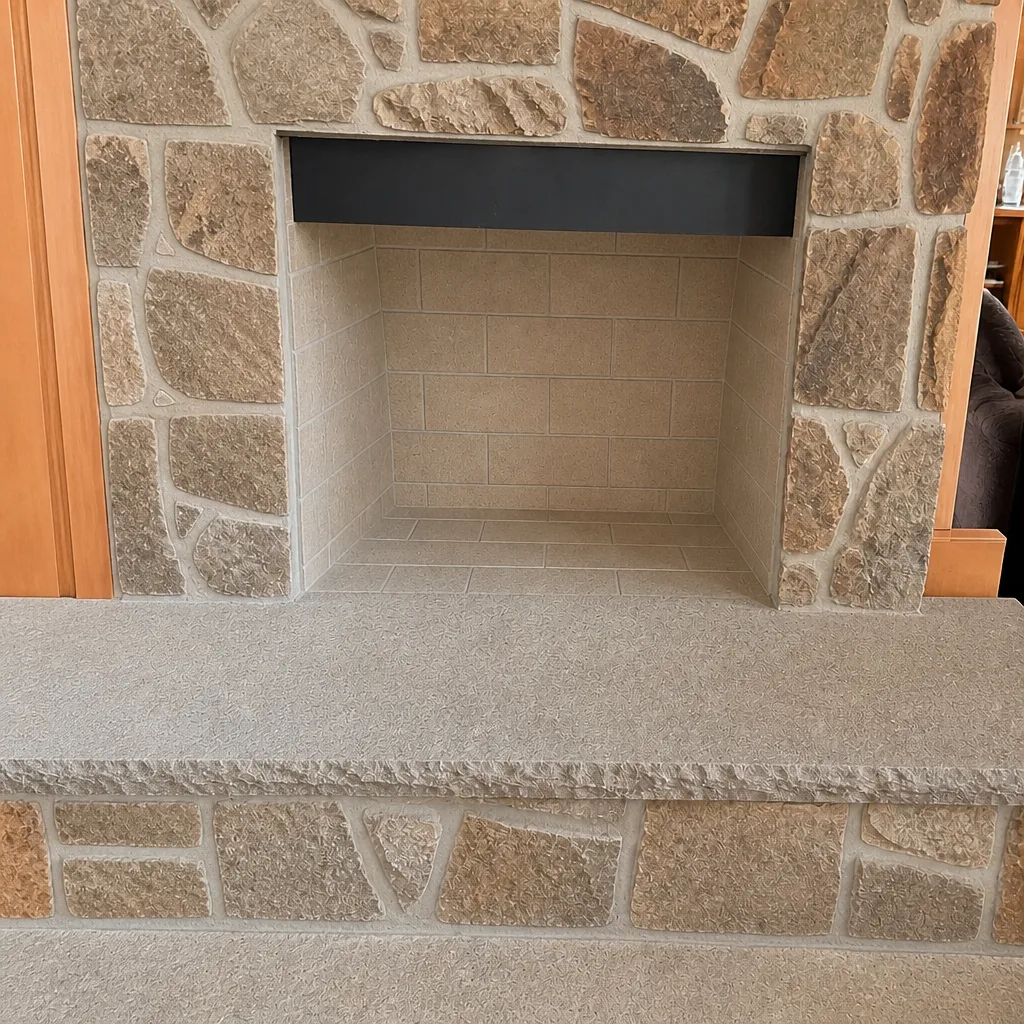
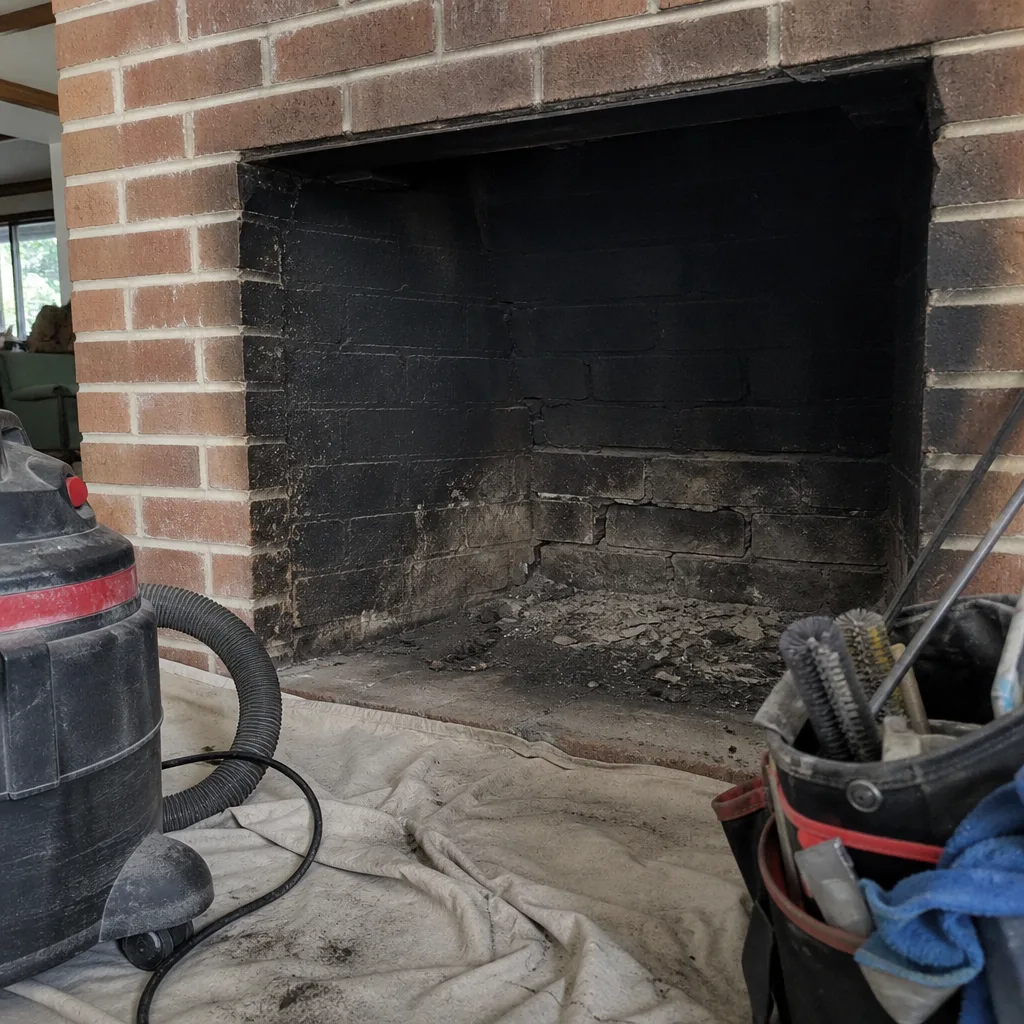
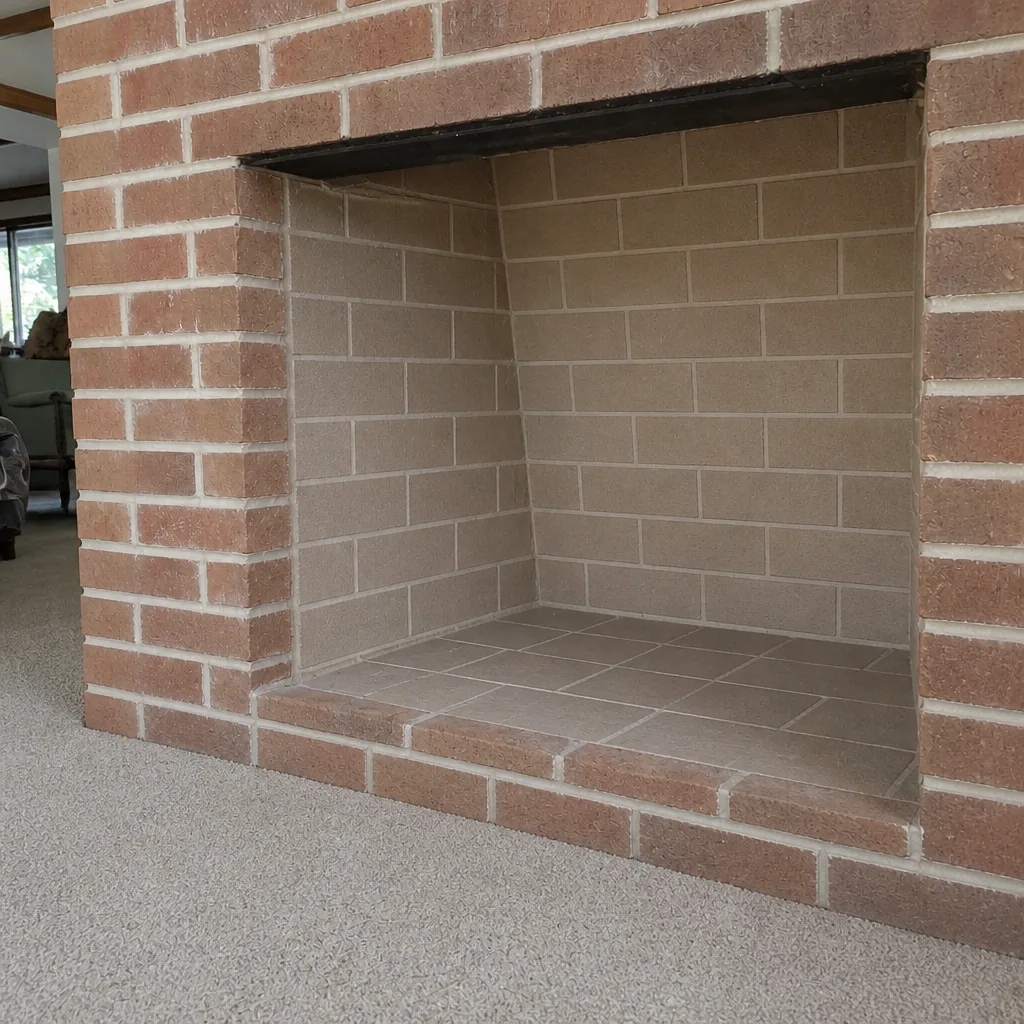
See the difference
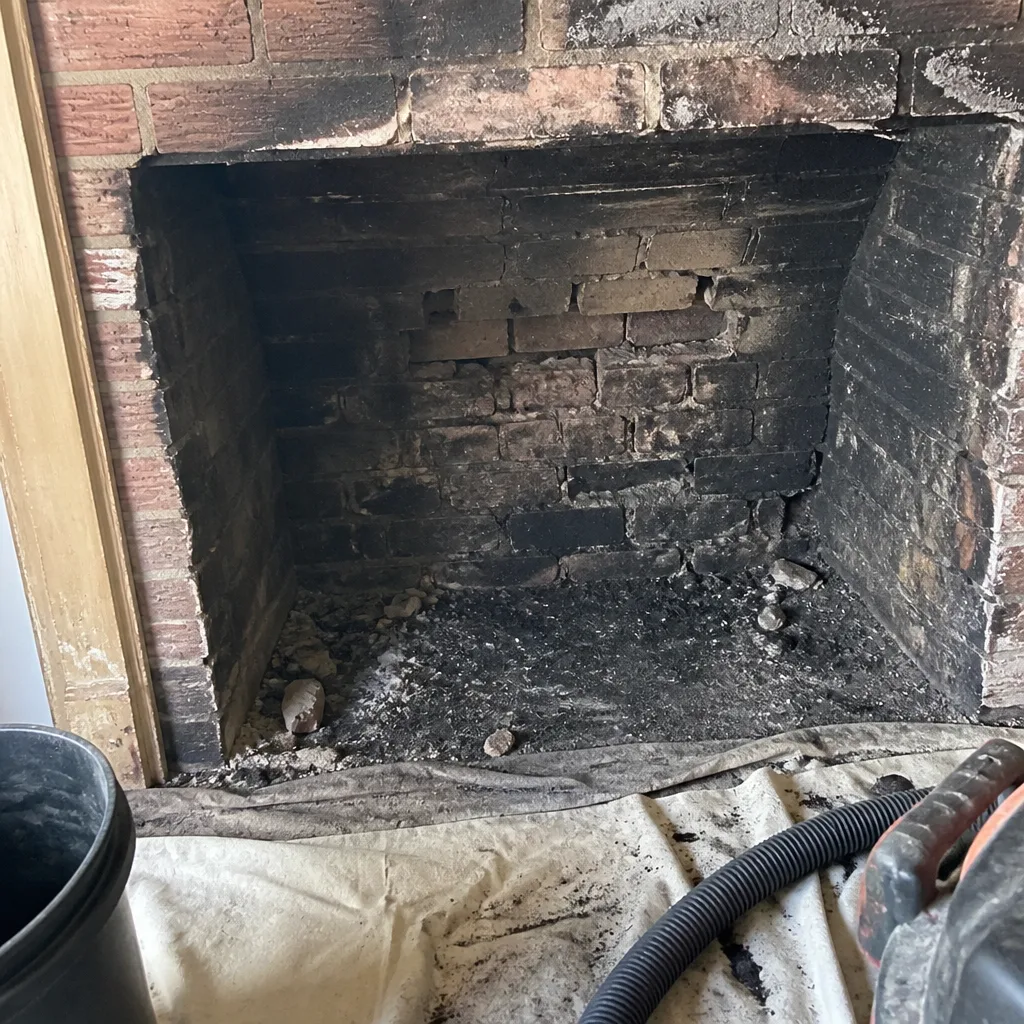 Before
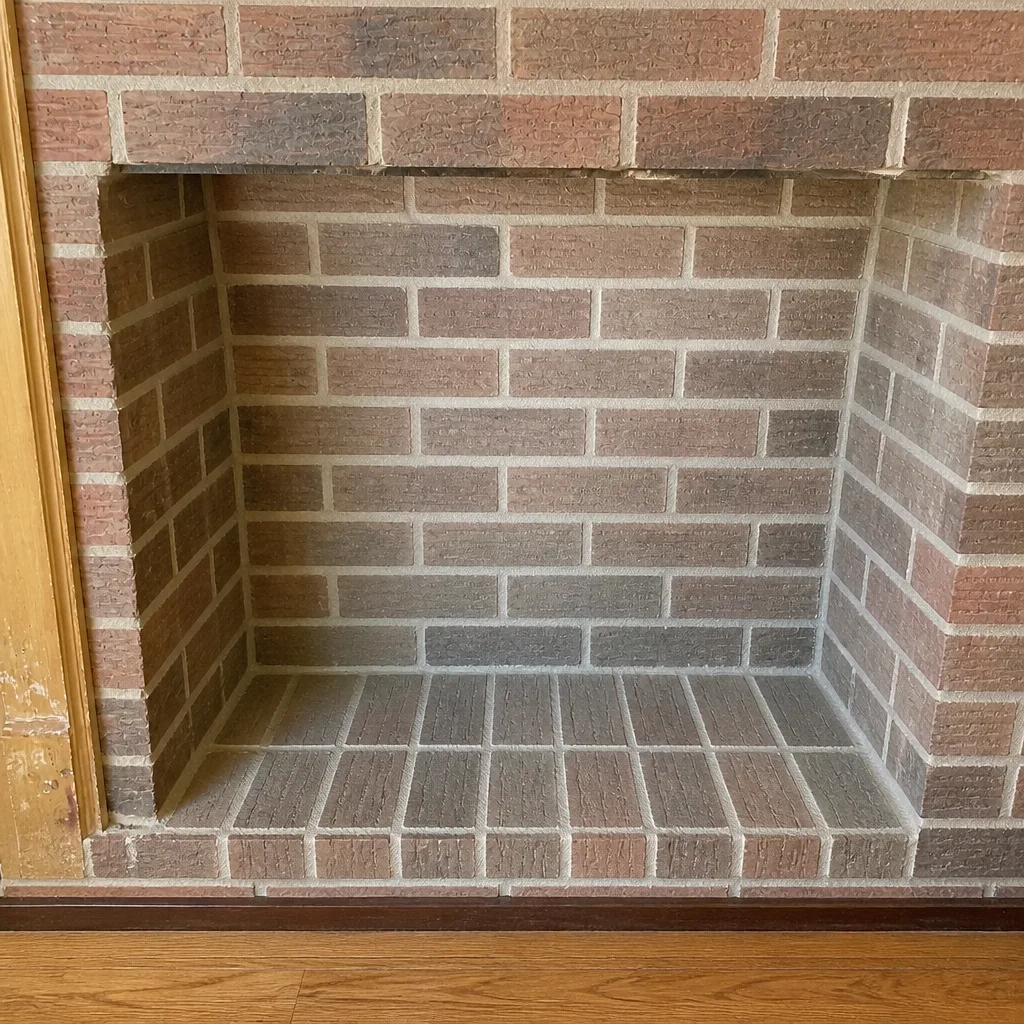 After
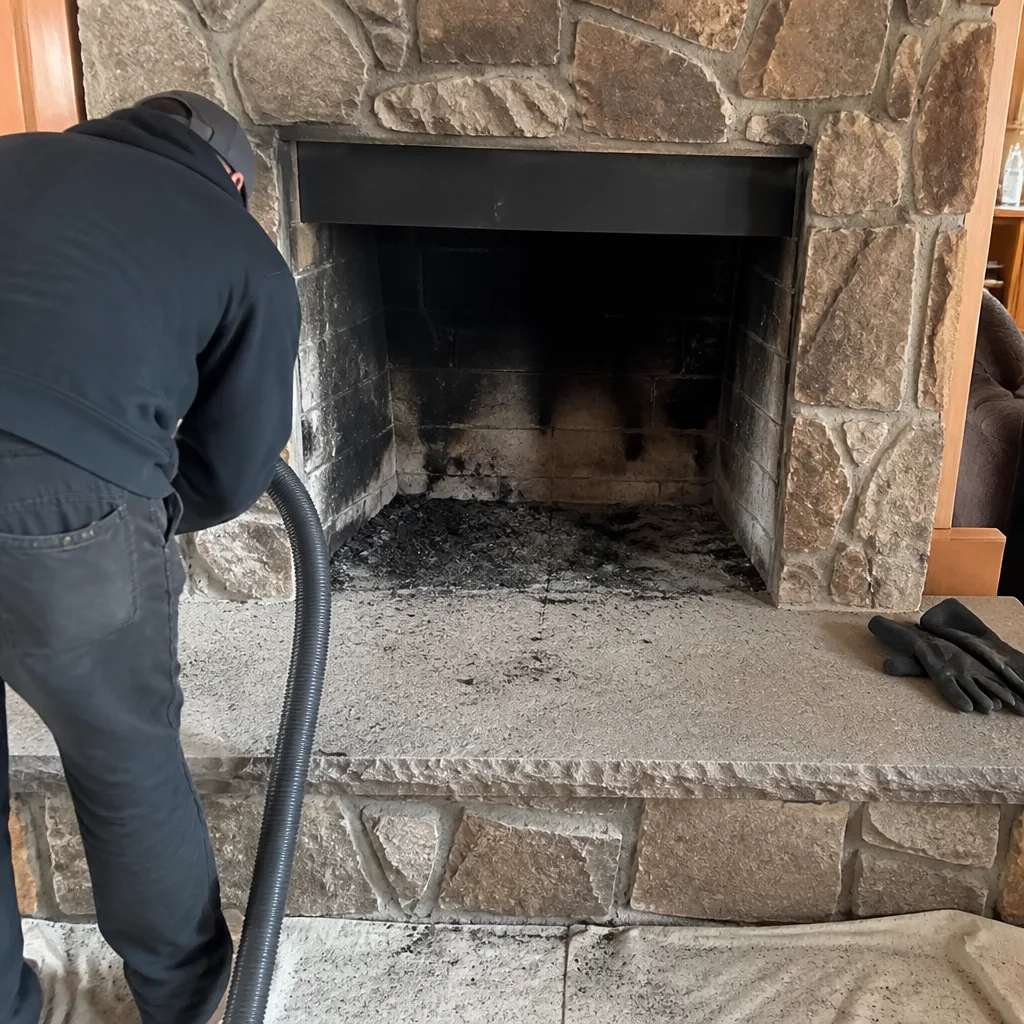 Before
 After
 Before
 After
When to Call a Professional
Call a professional after any chimney fire, before using the fireplace again. Call after a windstorm that displaces a cap or cracks a crown, before the next rain gets into the masonry. Call if a CO alarm sounds, if smoke enters the room, if you smell creosote in warm weather, or if it’s been more than a year since the last sweep. Call before the first cold snap, not after. Chimney Sweep Marysville offers free estimates in Marysville. Call (877) 792-7047. We answer 24/7. Fast dispatch from 7am to 7pm, Sunday through Friday. A call outside dispatch hours is booked into the next opening.
Frequently Asked Questions
Close the damper and air supply first to starve the fire of oxygen, then get everyone out of the house and call 911. Reaching the air controls safely comes before anything else. Do not call a sweep during the fire; call one the next morning to book a post-fire Level II inspection. Call (877) 792-7047 for an exact quote on the inspection.
No. A chimney can look fine from the firebox and still have a cracked or spalled liner behind the flue wall. NFPA 211 calls for a Level II inspection with a camera after any chimney fire, and the fireplace stays cold until that inspection clears it. The camera shows the liner’s full length, and you see the findings in a photo report before anything gets recommended.
Stay off the roof. Cover the flue opening from inside the firebox if you can safely reach it, note the damage from the ground, and book a professional inspection before the next rain or the next fire. An open flue takes in water and gives birds and animals a way in, and a bird nest in a flue is a carbon monoxide risk. We source caps and crown components from Olympia Chimney and Copperfield, so uncommon fits aren’t a reason to delay.
A CO alarm sounds a steady, loud pattern, often with a voice or text identifying carbon monoxide, while a smoke alarm uses the familiar three-beep pattern. A CO event can happen with no fire burning and no smoke visible, which is why a blocked flue from a bird nest or debris is a CO risk even when nothing is lit. If the alarm sounds, get everyone outside and call 911, then book a chimney inspection.
You need a photo sequence of the damage, the fire department report number, and your sweep’s written post-incident report with a liner condition rating. Take wide shots first, then close-ups, and keep any estimate or invoice for the repair or reline. We can work with your insurer on the documentation side, and the camera findings and written report are the parts insurers ask for most.
Sometimes, yes. If the camera shows surface-level glazing and cracking rather than a failed liner, HeatShield ceramic resurfacing can restore the flue without a full reline. If the liner is structurally damaged, a full reline with DuraFlex flexible liner systems is usually the fix. The choice depends on what the camera sees, never on a guess, and nothing gets recommended without evidence you can review.
The Bottom Line
Chimney emergencies in Marysville follow a pattern, and a homeowner who’s thought through the sequence makes better decisions than one who hasn’t. In a chimney fire: close the damper, get out, call 911, then call your sweep for a post-fire inspection before using the fireplace again. In a windstorm: stay off the roof, cover the flue from inside if you can, and book an inspection. In a CO event: leave the house and call 911. Document everything with photos, the fire department report number, and the sweep’s written report. And book the sweep before the first cold snap, not after, so the creosote and the cracked crown are caught before they cause a problem.
Written by the team at Chimney Sweep Marysville.