
Last updated November 25, 2026
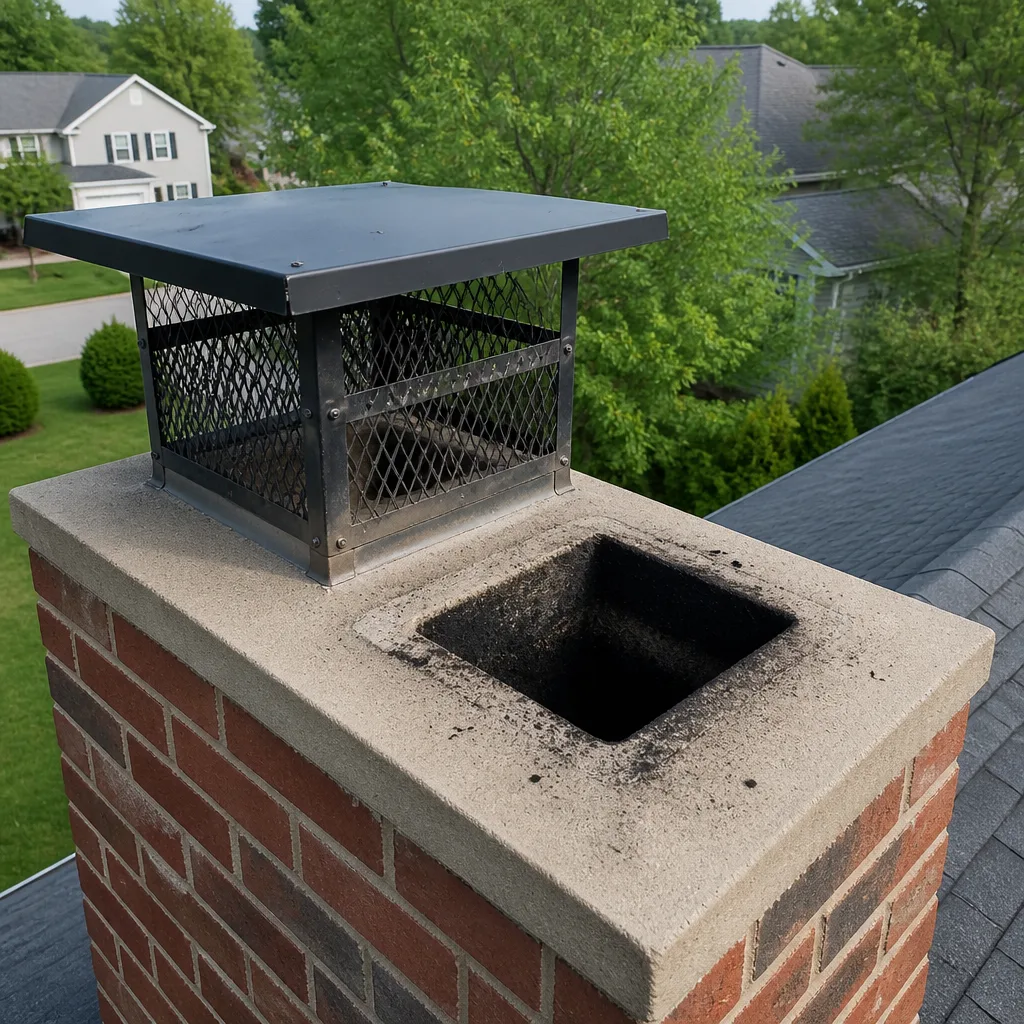 Sweep & inspection
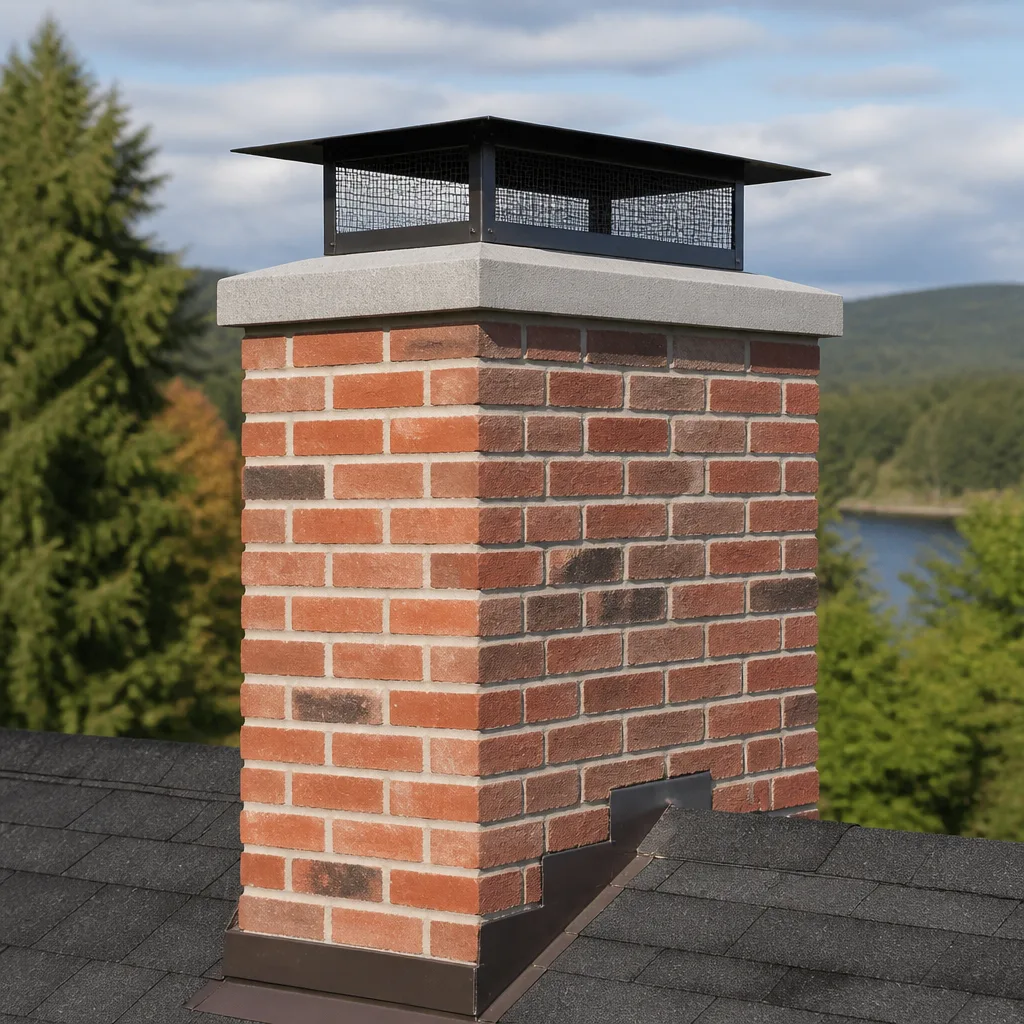 Caps & crowns
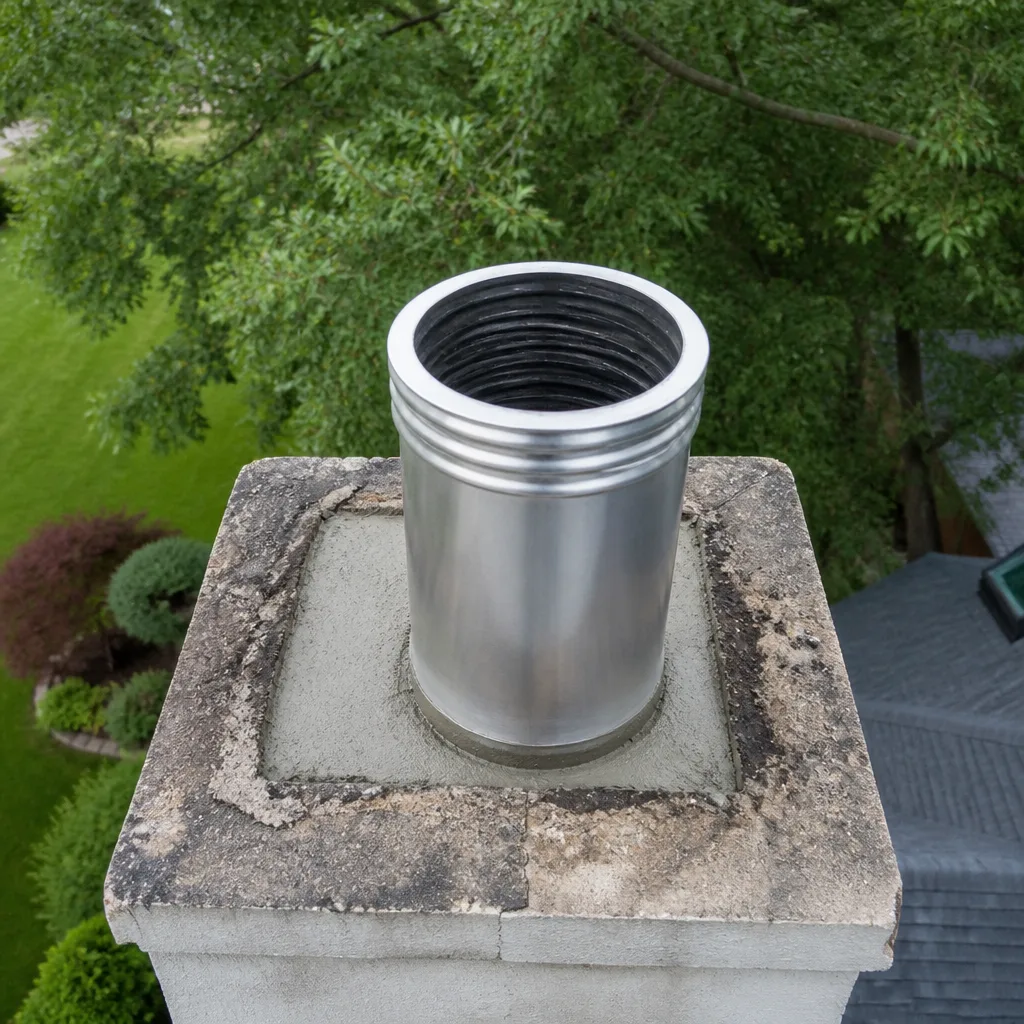 Flue relining
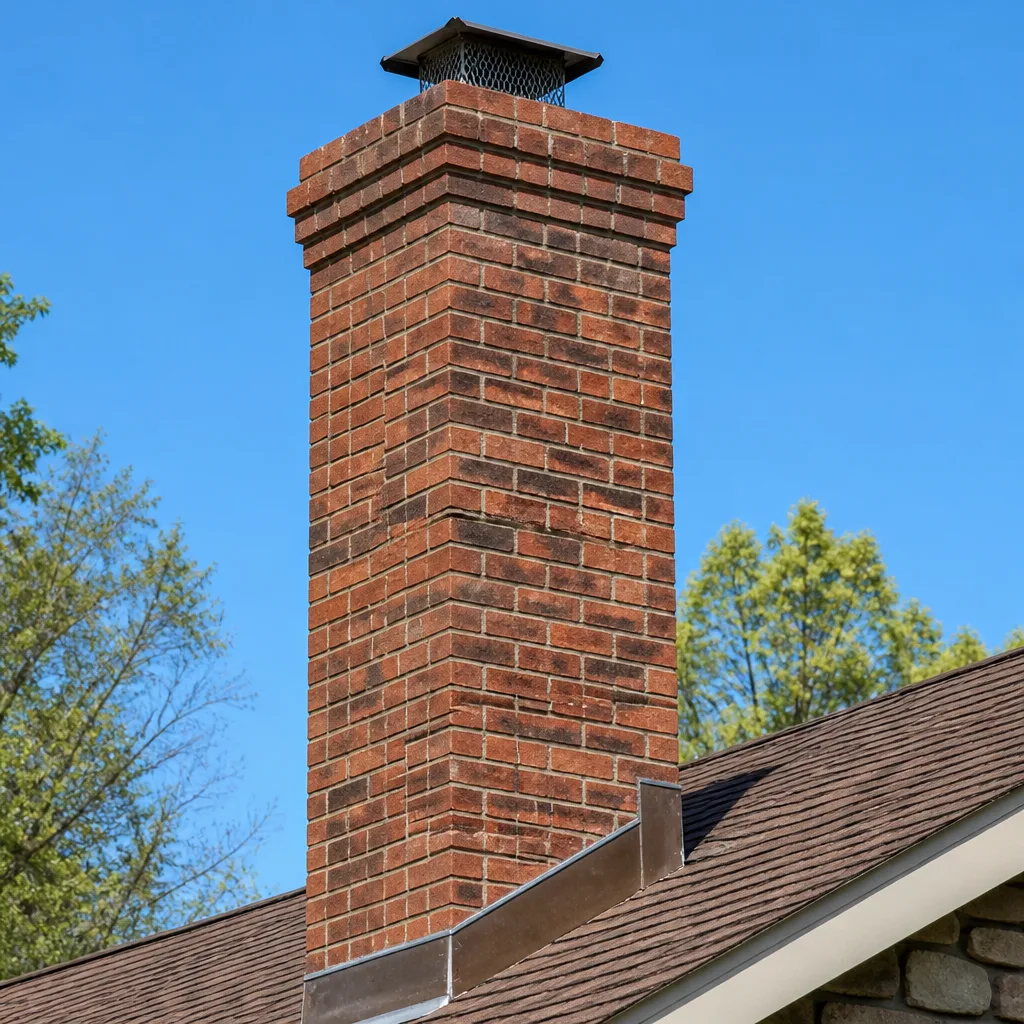 Masonry repair
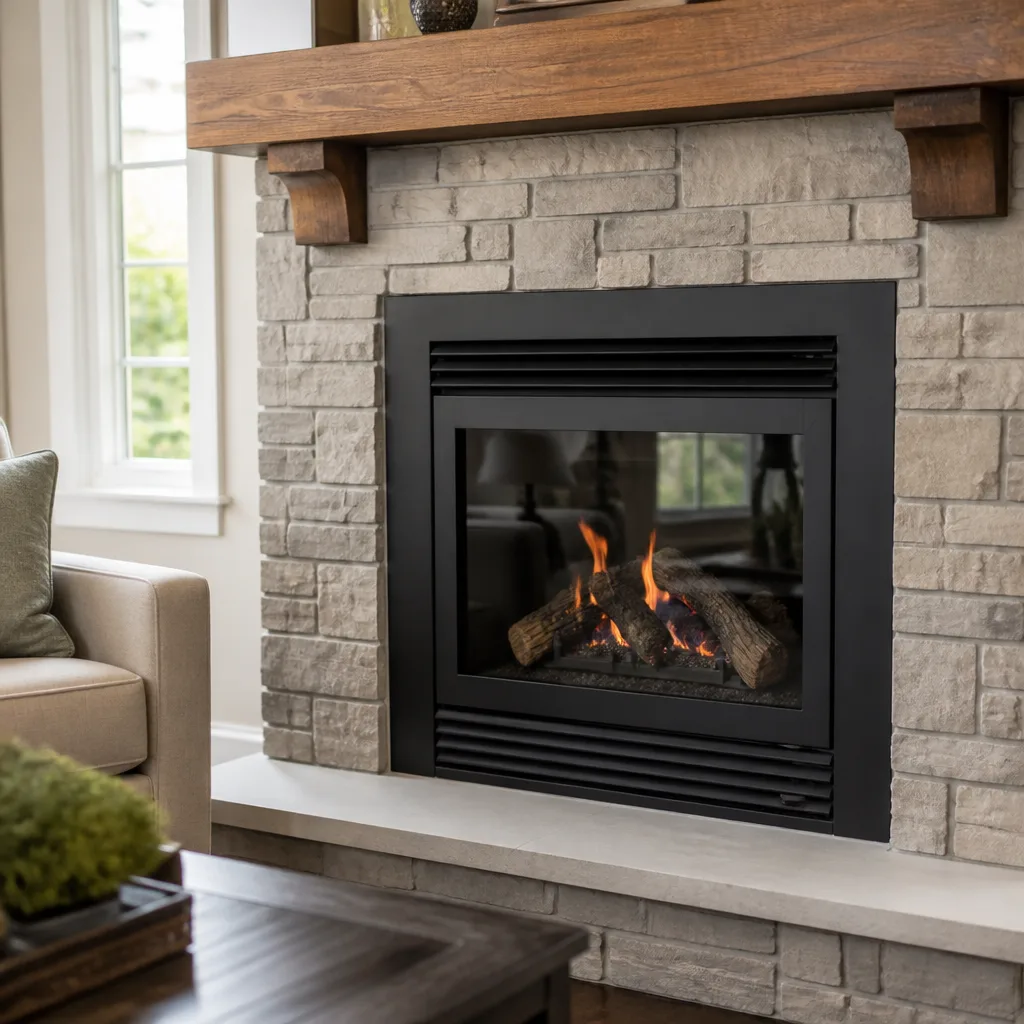 Gas fireplace service
Level 1 sweep and inspection to the NFPA 211 annual standard - flue, crown, cap, and flashing checked and photographed
Chimney sweep logs do not sweep chimneys. They loosen some creosote - which then falls where a brush and vacuum still have to collect it.
Chimney Sweep Troubleshooting in Marysville: Common Problems and How to Fix Them
A smoky firebox isn’t a chimney problem. It’s a symptom report, and most homeowners misread it. The instinct is to book a cleaning, but a cleaning fixes one thing: creosote buildup. If the real cause is negative draft, a degraded flue liner, or a cracked crown, that cleaning does nothing and you’ve spent a service call learning nothing. In our experience the fastest, cheapest path to a working fireplace starts with naming the symptom correctly before anyone picks up a brush. This guide walks through the three root causes behind nearly every chimney problem we troubleshoot in Marysville, how to tell them apart yourself, and when a repair is a real repair and not a sales pitch.
We’re Chimney Sweep Marysville, and we handle the full system: sweeping, inspection, cap and crown work, fireplace repair, and chimney repair. Our technicians have up to 10 years of experience, and we specify professional-trade materials like HeatShield, DuraFlex, Gelco, Olympia Chimney, Famco, and Copperfield because they hold up in this climate. Everything below is written to help you understand what’s happening inside your chimney, whether you call us or not.
Quick Answer
Most chimney problems in Marysville trace back to three root causes: draft failure, liner degradation, and crown cracking. Draft failure shows up as smoke rolling into the room or a fire that won’t draw. Liner degradation shows up as flaking, powdery residue, or a metallic taste in the air near the fireplace. Crown cracking shows up as water staining in the firebox after heavy rain. Naming the symptom correctly means a technician arrives with the right materials for that specific fix instead of making a diagnostic guess.
Styles & brands we work with
- Sweep & inspection
- Caps & crowns
- Flue relining
- Masonry repair
- Gas fireplace service
Table of Contents
- Negative Draft vs. Restricted Draft
- Liner Joint Failure vs. Surface Spalling: The Cardboard Ash Test
- Why Marysville’s Wet Climate Accelerates Crown Deterioration
- When SootEater Rotary Cleaning Resolves a Draft Issue
- When a Troubleshooting Visit Requires a Level 2 CSIA Camera Inspection
- Creosote Stages and What They Mean for Your Firebox
- Treating the Flue, Cap, Crown, and Firebox as One System
- Common Mistakes to Avoid
Negative Draft vs. Restricted Draft: Two Different Problems, Two Different Fixes
Negative draft and restricted draft look similar to a homeowner: smoke in the room, a fire that won’t light cleanly. They’re opposite failures, though. Negative draft means air is pushing down the flue instead of up. Restricted draft means the flue is trying to move exhaust but something is blocking the path. Fixing one when you have the other usually makes the problem worse.
How to Tell Negative Draft
Negative draft announces itself before you ever light a fire. On a cold morning, hold your hand near the open firebox. You’ll feel a steady trickle of cold air spilling into the room. Light a rolled sheet of newspaper and hold it near the damper opening. With negative draft the smoke curls back into the room instead of rising. This happens when the flue is colder than the room, when the house is too tight and the fire is starved for make-up air, or when the top of the flue sits in a pressure zone created by nearby trees or rooflines. Marysville homes set against tall firs often deal with the last one. The fix involves pre-heating the flue, addressing the air supply, or raising the termination height.
How to Tell Restricted Draft
Restricted draft feels different. The fire lights, burns hot, then smoke creeps back. There’s a slow, sluggish quality to it. In our experience this is almost always a physical restriction: a heavy creosote glaze narrowing the flue, a bird nest, a collapsed liner tile, or a damper that doesn’t open fully. Restricted draft requires opening the flue back up before anything else will help.
- Negative draft symptom: cold air spilling into the firebox on a still day, smoke rolls down when you light a test fire
- Restricted draft symptom: fire lights but smokes out after a few minutes, slow to clear, odor lingers
- Negative draft fix: pre-heating, air supply correction, termination height changes
- Restricted draft fix: cleaning, obstruction removal, liner repair
If you’re not sure which one you have, that’s fine. The distinction matters because it changes what a technician brings. A draft assessment visit is different from a sweep. Call (877) 792-7047 and describe what you’re seeing. We answer 24/7. Fast dispatch from 7am to 7pm, Sunday through Friday.
Liner Joint Failure vs. Surface Spalling: The Cardboard Ash Test
A degrading flue liner is one of the most common problems we find in older Marysville homes, but the two main failure modes look alike from the firebox. Joint failure means the joints between clay tiles have opened up. Surface spalling means the tile face itself is flaking. Both shed material into the firebox, so how do you tell them apart without a camera?
The Cardboard Ash Test
- Wait until the fireplace has been cold for at least 24 hours.
- Slide a piece of clean cardboard into the firebox and press it gently against the back wall, just above the damper.
- Remove it and look at what stuck to it.
- Fine, sandy grit with small chip-like flakes suggests surface spalling. The tile face is breaking down.
- Larger, chunkier pieces with defined edges suggest joint failure. Those are pieces of mortar that have fallen out between tiles.
- Powdery soot with no grit is just creosote and doesn’t indicate a liner problem by itself.
The test is rough. It won’t tell you how bad the damage is, only whether there’s a plausible liner issue worth investigating. Do not start pulling at loose material with a tool, because you can dislodge a chunk that was holding its position and make the problem worse. For anything beyond identifying what’s happening, get a trained professional in to look at it properly.
Why the Distinction Matters
Joint failure can sometimes be addressed with HeatShield ceramic resurfacing, which fills and smooths small to moderate gaps and rebuilds the flue’s inner surface. Surface spalling is more serious because the tile substrate is failing. If the spalling has eaten into a large area, or the flue shows multiple cracked or displaced tiles, a full reline with a DuraFlex flexible liner system is usually the right call. That’s the point where knowing the difference saves you real money: a resurfacing quote for a spalled flue is the wrong recommendation, and a full-reline quote for joint failure can be avoided with HeatShield.
A camera inspection makes the diagnosis definitive. Nothing we recommend comes without photo evidence you can see for yourself. If you want to see what’s going on inside your flue, a proper chimney sweep with a camera will show you exactly what the technician sees, from the firebox to the cap.
Why Marysville’s Wet Climate Accelerates Crown Deterioration
The chimney crown is the concrete cap at the top of the chimney stack. It sheds water away from the flue and masonry. In Marysville, where winter rain comes in steady, persistent bands rather than quick storms, the crown is under almost constant water load from October through April. That’s the root of most of the crown problems we find. Hairline cracking is normal aging. Structural splitting is a repair priority.
Hairline Cracking vs. Structural Splitting
- Hairline cracks: fine lines under a quarter inch, usually focused near the flue opening. Common, cosmetic in isolation, but worth sealing.
- Structural splitting: wider gaps, chunks missing, the crown pulling away from the flue tile, or cracks running from the flue edge to the outer rim. Water is already getting behind the crown.
- Crumbling at the edges: the crown has lost its drip edge and water is running back into the brick. This is a resurfacing or replacement job.
What makes crown damage so costly in a wet climate is what follows. Water gets in, freezes overnight during a cold snap, expands, and widens the crack. Repeat that through a Marysville winter and a hairline crack becomes a separated crown in two or three seasons. From there the moisture tracks down the masonry and into the attic, which is a very different repair.
What We Look For
We stabilize crown cracks with a proper crown repair, and we use Famco crown materials and Gelco sealants for the rebuild because they hold up to repeat wet-dry cycling far better than generic patching compound. In several Marysville homes we’ve seen crowns installed with the wrong slope, or flat-topped crowns with no overhang, which is why they fail within a few years no matter what sealant is applied. A crown repair covers the full chimney system properly, not just a paint job over cracks. If you’re seeing water staining in the firebox after a heavy rain, that’s the sign to have the crown looked at.
When SootEater Rotary Cleaning Resolves a Draft Issue a Standard Brush Won’t Touch
A rotary cleaning system like a SootEater handles certain draft problems that a standard brush genuinely cannot. A standard brush is designed for loose, dry creosote and light soot. A rotary head, spun by a flexible rod, applies controlled mechanical action against the flue wall and breaks up glazed, hardened creosote that would otherwise slide off a brush without budging.
When Rotary Cleaning Fits
- Glazed creosote: stage three creosote is shiny, hard, and looks almost like tar. A brush spins past it. A rotary head removes it.
- Offset flues: an older chimney with a lateral jog in the flue (common in Marysville homes where the flue is set off-center from the firebox) needs the flexible reach of a rotary system to clean the transition properly.
- Slow-clearing draft with no visible obstruction: if the flue is restricted by a thin layer of glazed creosote through its full length, a rotary pass restores the flue’s internal diameter and often resolves the draft problem on its own.
- Post-fire cleanup: after a minor chimney fire, rotary cleaning is often the first step before any assessment of liner damage can be made.
When Rotary Cleaning Isn’t the Answer
Rotary cleaning does not fix a draft problem caused by negative pressure, air supply, or an obstruction like a nest or a collapsed tile. It also won’t fix a liner that needs replacement. If a rotary pass is going to be needed, we usually know from the inspection before the cleaning ever starts. That’s part of the reason we treat the inspection and the sweep as one visit.
If a rotary sweep is what your chimney needs, we’ll tell you, and if a standard brush is all that’s required, we’ll tell you that too. Call (877) 792-7047 and describe what you’re seeing. Estimates are free, and the flat-price sweep is agreed before we book.
When a Troubleshooting Visit Requires a Level 2 CSIA Camera Inspection Before Any Repair Quote Is Valid
A Level 2 CSIA inspection is a full video scan of the flue from firebox to cap, combined with a visual inspection of accessible chimney components. It’s the standard for any troubleshooting visit where the problem isn’t visible from the firebox, and it’s what makes a repair quote trustworthy. If a technician quotes a repair without a camera inspection, the quote is a guess about what’s wrong.
When a Level 2 Inspection Is Required
- You’re having a chimney issue you can’t explain: slow draft, lingering odor, water stains, smoke smells in a room that hasn’t had a fire.
- You’ve just moved into a Marysville home and don’t know the chimney’s condition or service history.
- There’s been a chimney fire, even a small one, or a flue fire you suspect.
- Any change has been made to the system: a new cap, liner work, damper work, or a change in the fuel you burn.
- A repair has been quoted and you want the diagnosis verified before committing to it.
- Your fire has changed behavior after a storm, an earthquake, or a long vacancy.
What the Camera Tells Us That a Brush Doesn’t
The camera reaches spaces the eye cannot. It shows joint condition through the full flue, offset transitions, cap attachment, and the base of the flue where it meets the smoke chamber. That’s the difference between quoting a spot repair and quoting a real solution. We treat the camera inspection as the foundation of every repair estimate.
You are entitled to see what we see. Ask for the photo report, ask where the damage starts, ask what the failure mode actually is. If a technician can’t answer that clearly, it’s fair to get a second opinion. We’re happy to be that second opinion at any time.
Creosote Stages and What They Mean for Your Firebox
Creosote builds in stages, and each stage changes both the cleaning method and the safety picture. Knowing where your chimney sits tells you roughly how urgent a sweep actually is.
- Stage 1: soot and light flake. Normal buildup for a wood-burning fireplace used through a Marysville winter. A standard brush handles it.
- Stage 2: crunchy, crusty flake. Still brushable, but heavier and starting to cling. Needs a proper sweep before the next season.
- Stage 3: glazed, tar-like creosote. Hard, shiny, and a chimney fire hazard. Requires rotary cleaning or specialist removal. Do not burn through this stage, and do not add another fire season on top of it.
Creosote forms when smoke cools before it exits. Cool, damp wood, a cold flue, a restricted damper, or a fireplace burning at low output all push creosote to build faster. In Marysville, a chimney that sat unused through the summer tends to have a very cold flue on the first fire of the fall, which drives a heavy early creosote deposit. Give the flue a pre-season inspection before the first fire and you often catch the buildup before it glazes.
We test for creosote stage during every sweep, and it’s one of the first things we tell a homeowner when we hand back the report. If you suspect you’re at stage 2 or stage 3 and haven’t had a sweep in over a year, that’s the visit to book.
Treating the Flue, Cap, Crown, and Firebox as One System
The most expensive chimney problems we see are the ones where one contractor addressed the flue and another addressed the crown and nobody touched the cap. Your chimney works as one system. A degraded cap lets water in, water gets behind the crown, the crown cracks, moisture tracks into the liner, the liner spalls, the firebox rusts, and the fire draws badly. Each symptom is connected to the one above it.
We treat the flue liner, the cap, the crown, and the firebox as one system, not separate tickets. That means one technician inspects, one technician performs the work, and there’s a single point of accountability from the diagnostic visit through the final repair. That’s a different arrangement than a general handyman who can replace the firebrick but won’t climb the roof, or a sweep who can clean the flue but won’t address the crown.
Sources matter here. We draw from Olympia Chimney and Copperfield for components and uncommon fits, which is why a custom cap or a non-standard damper replacement isn’t a reason to delay a job. Famco and Gelco materials cover the concretes and sealants used in crown and masonry repair. HeatShield handles flue resurfacing. DuraFlex flexible liner systems handle a full reline when a resurfacing is no longer appropriate. That’s the roster for a full-system repair, from the cap down to the firebox.
For a chimney repair that runs from the flue down, our chimney repair service covers cap and crown work, liner restoration, and structural repairs in one scope. Fireplace components like the damper, firebox panels, and surround are covered under fireplace repair, so a single technician can resolve the full picture rather than handing you off to a second crew.
Common Mistakes to Avoid
- Booking a cleaning when you have a draft problem. If the fire smokes into the room, a cleaning may do nothing. Describe the symptom and ask for a draft assessment.
- Assuming a smoky fire means you need a new chimney. Negative draft is a fixable pressure problem, not a structural failure. Get a Level 2 inspection before accepting a major repair quote.
- Painting over crown cracks with sealant. Sealant over a structural split holds for one season and hides the growing water damage. The crown needs to shed water, not have it trapped under a coating.
- Burning green or damp firewood in a Marysville winter. Wet wood drives stage 2 and stage 3 creosote buildup faster than anything else. Seasoned wood and a properly warmed flue make a real difference.
- Skipping a sweep because the fire “looks fine.” Stage 3 creosote is invisible from the firebox and is the actual chimney fire risk. The cleaning schedule matters even when the fire behaves.
- Hiring a handyman to do a chimney system repair. A cap replacement is not a general contracting job, and a crown rebuild is not a paint job. Chimney repair is its own trade for a reason.
- Accepting a repair quote that has no camera evidence behind it. If a technician can show you the photos and explain the failure mode, that’s a real diagnosis. If not, ask for one.
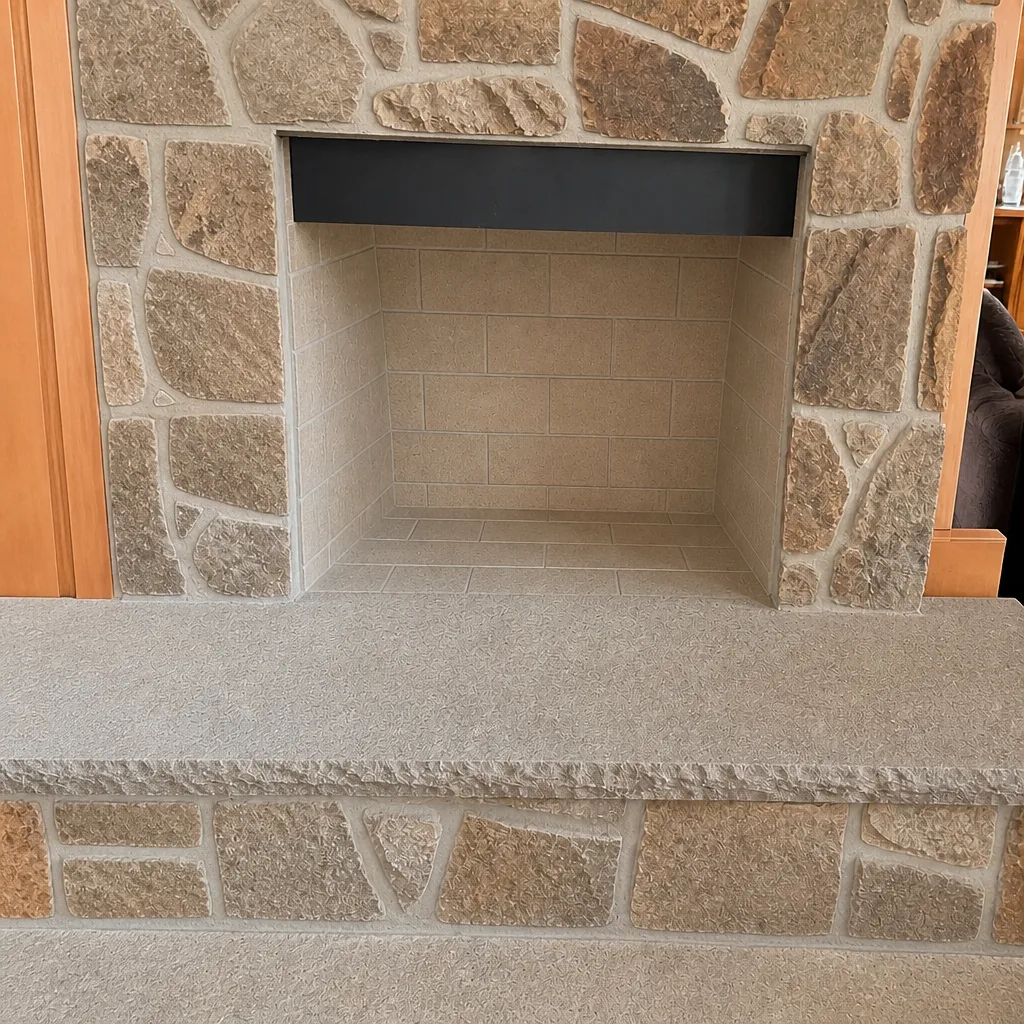
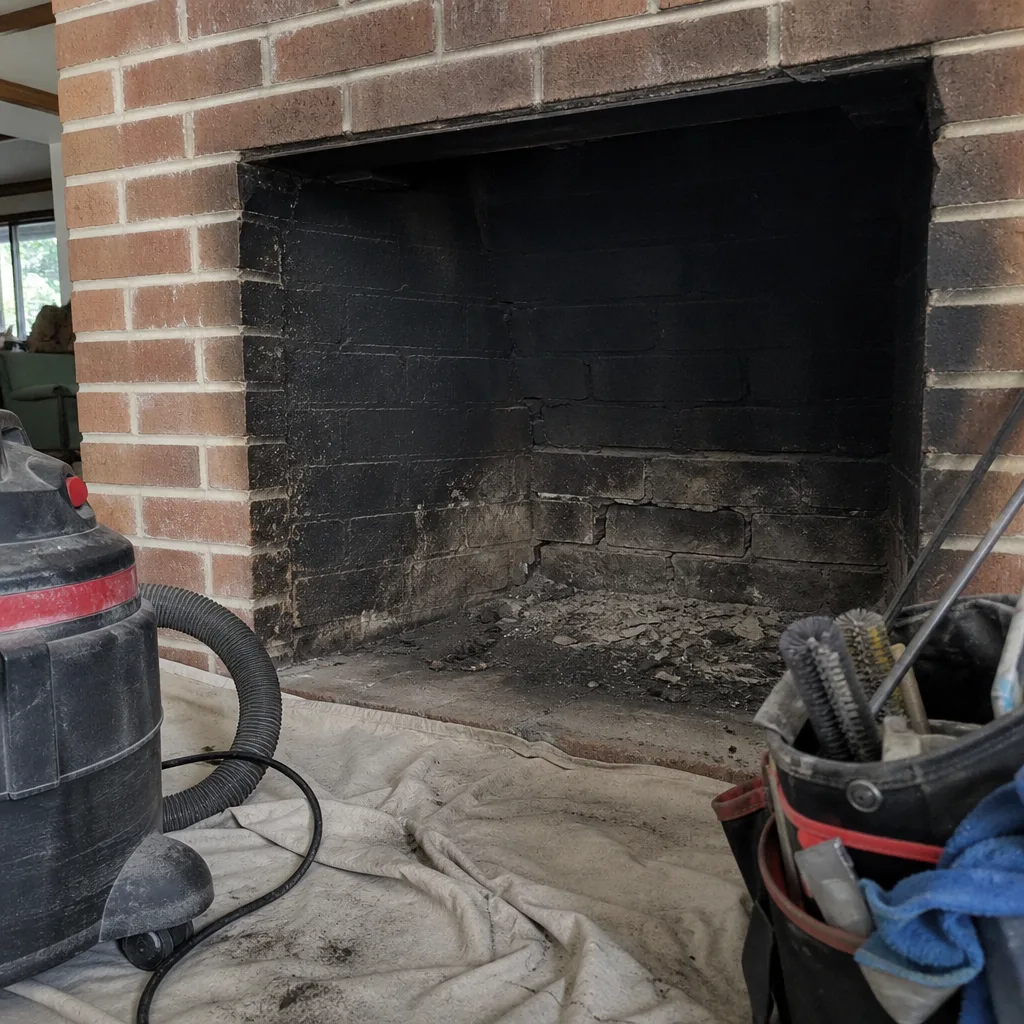
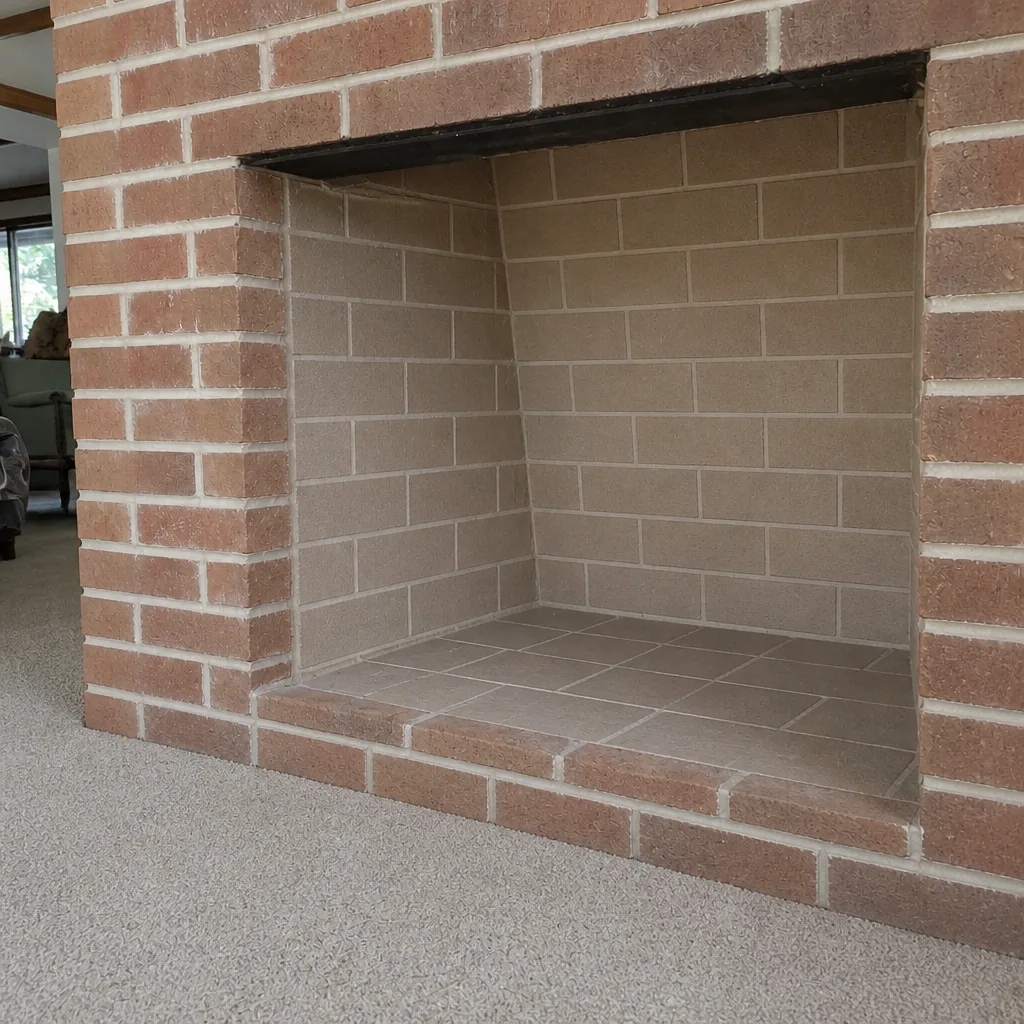
See the difference
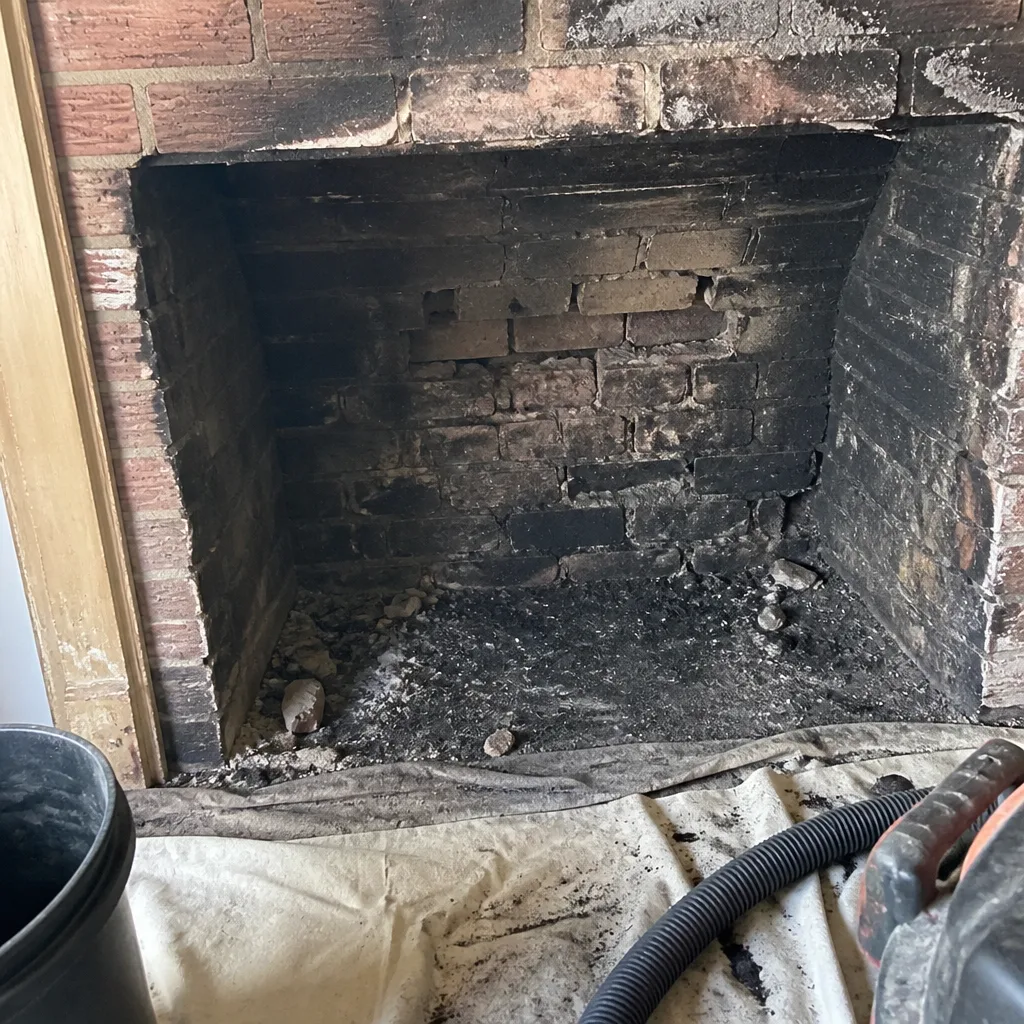 Before
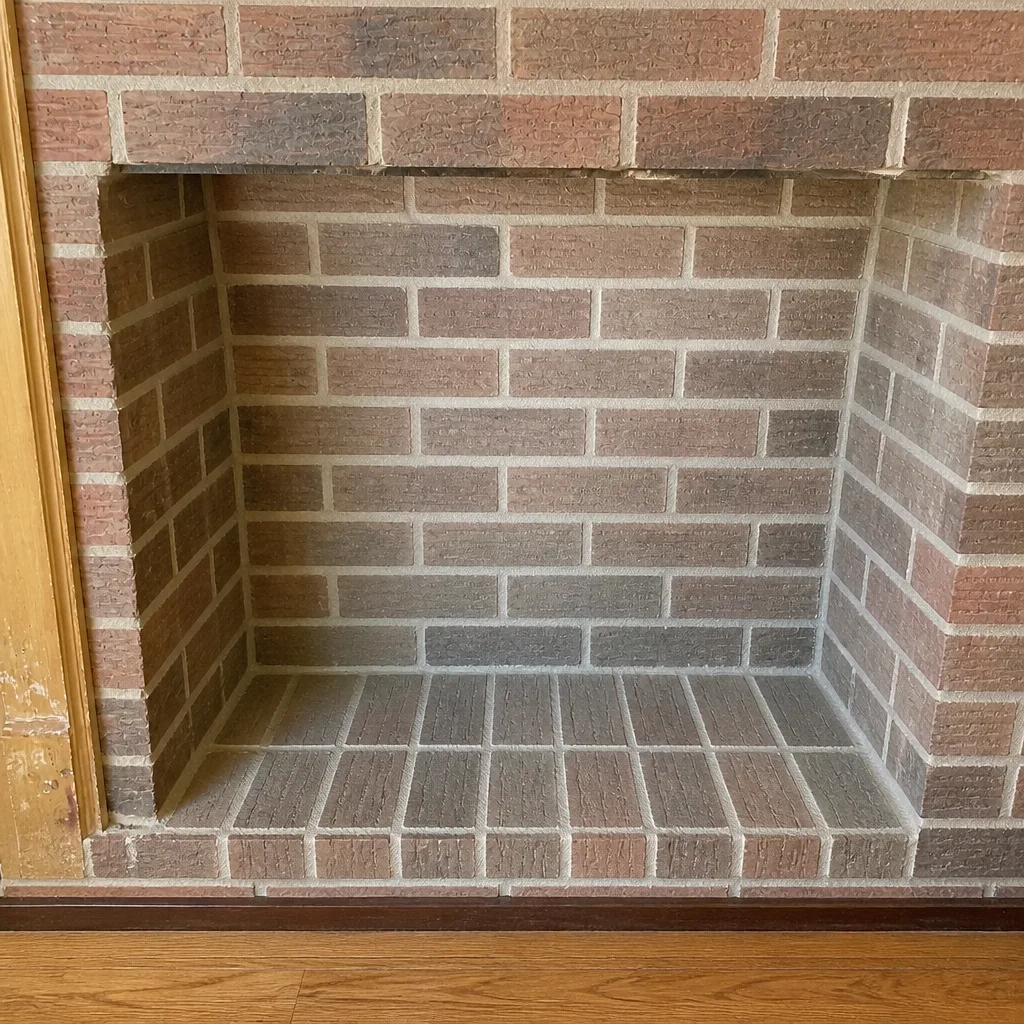 After
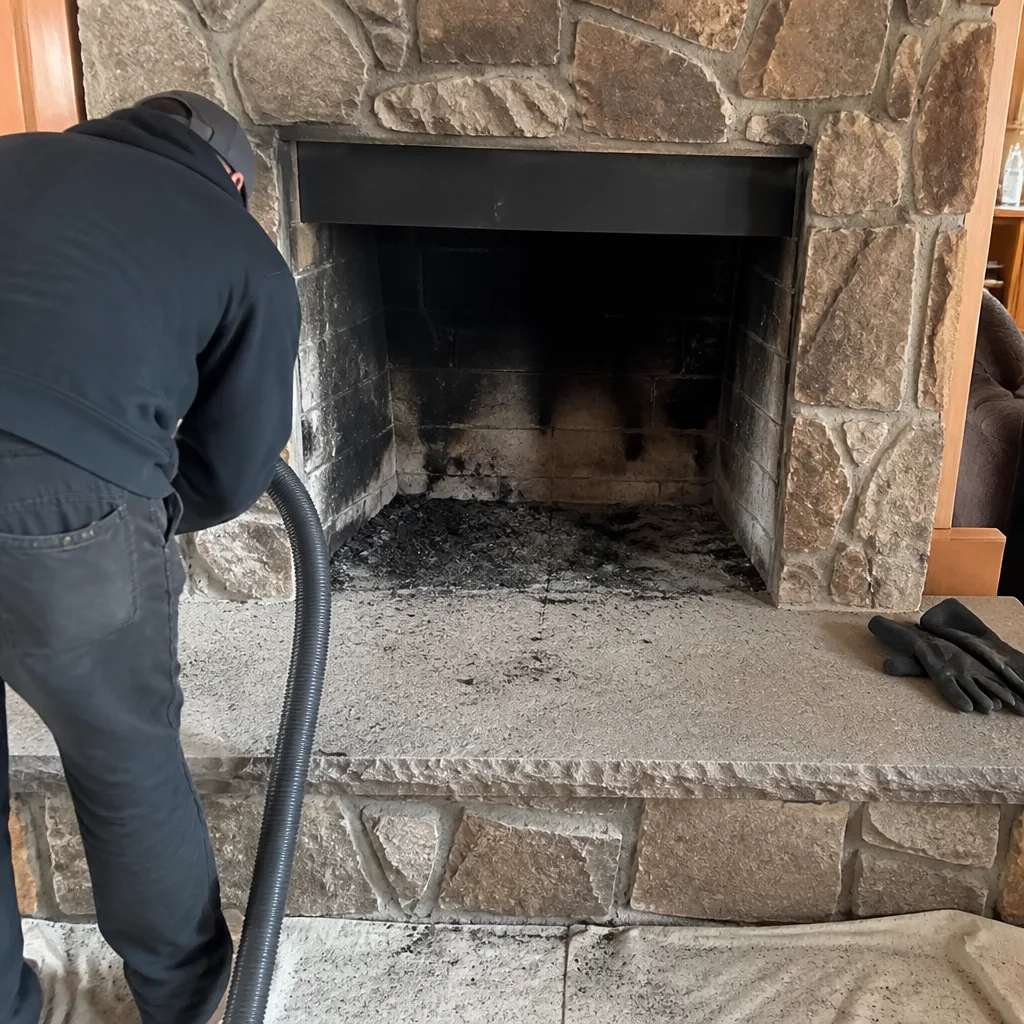 Before
 After
 Before
 After
When to Call a Professional
Call for a professional chimney visit when you notice any of the following: a fire that smokes into the room when you light it, a fire that’s slow to draw even with dry wood, water stains in the firebox after heavy rain, a smell of smoke in a room that hasn’t had a fire, visible cracking or crumbling on the chimney crown, or a chimney that hasn’t been swept in over a year. If you suspect a chimney fire has occurred, even a small one, that’s an immediate call. If you’ve just moved into a Marysville home and don’t know the service history, a Level 2 inspection is the first step before lighting a fire.
Chimney Sweep Marysville offers free estimates in Marysville. Call (877) 792-7047. We answer 24/7. Fast dispatch from 7am to 7pm, Sunday through Friday.
Frequently Asked Questions
A standard chimney sweep in Marysville depends on the flue configuration and how much buildup there is, and the flat price is agreed before we book. A rotary sweep for glazed creosote or an offset flue costs more than a standard brush sweep because it’s a different job with different equipment. Call (877) 792-7047 for a free estimate, because the written estimate sets the final price.
Once a year for a fireplace used regularly through the winter, and twice a year if you burn hard through the full Marysville season or burn any green wood. A pre-season inspection in the fall catches buildup before the first fire, when the flue tends to be cold and drives a heavy early creosote deposit. If you can’t remember the last sweep, that’s the visit to book.
Only if the camera inspection shows liner damage that resurfacing can’t address. Joint failure with the tile faces still intact can sometimes be resurfaced with HeatShield, which extends the life of the liner without a full reline. Surface spalling, displaced tiles, or a cracked flue through a large area usually needs a DuraFlex flexible liner system. Nothing is recommended without camera evidence you can see for yourself, and if the damage can wait safely, we’ll tell you that too.
Creosote builds faster than most homeowners expect, and a flue that sitting through a Marysville winter without cleaning will often hit stage 3 glazed creosote by the second season. Stage 3 creosote is the fuel source for a chimney fire, and it doesn’t vent on its own. Skipping one year is low risk if the previous sweep was clean; skipping two or three is where the risk climbs fast. Call (877) 792-7047 if you’re overdue.
Yes, in almost every case. A smoky fire is usually negative draft, restricted draft, or a crown problem, and each has a specific fix that doesn’t involve rebuilding the chimney. The exception is a collapsed liner or a structurally failed flue, which the camera inspection will show. Call for a draft assessment before accepting any repair quote.
A sweep cleans the flue. An inspection looks at the whole system with a camera and produces a photo report, and a Level 2 inspection is required for any troubleshooting visit where the problem isn’t obvious from the firebox. A repair visit fixes what the inspection found. In our case the technician who inspects is the same specialist who performs the repair, so it’s one visit from diagnosis to fix.
The Bottom Line
Most chimney problems in Marysville fall into three categories: draft failure, liner degradation, and crown cracking. Name your symptom correctly and the fix gets faster and cheaper, because the technician arrives with the right materials instead of making a diagnostic guess. A smoky fire that isn’t caused by a cleaning problem wastes a sweep call. A crown crack that isn’t sealed becomes a full crown rebuild. A glazed flue that isn’t removed becomes a chimney fire. Get the inspection first, watch the camera, and only accept a repair when the failure mode is shown to you clearly. Contact us for a free estimate whenever you’re ready. Call (877) 792-7047. We answer 24/7. Fast dispatch from 7am to 7pm, Sunday through Friday.
Written by the team at Chimney Sweep Marysville.