
Last updated November 25, 2026
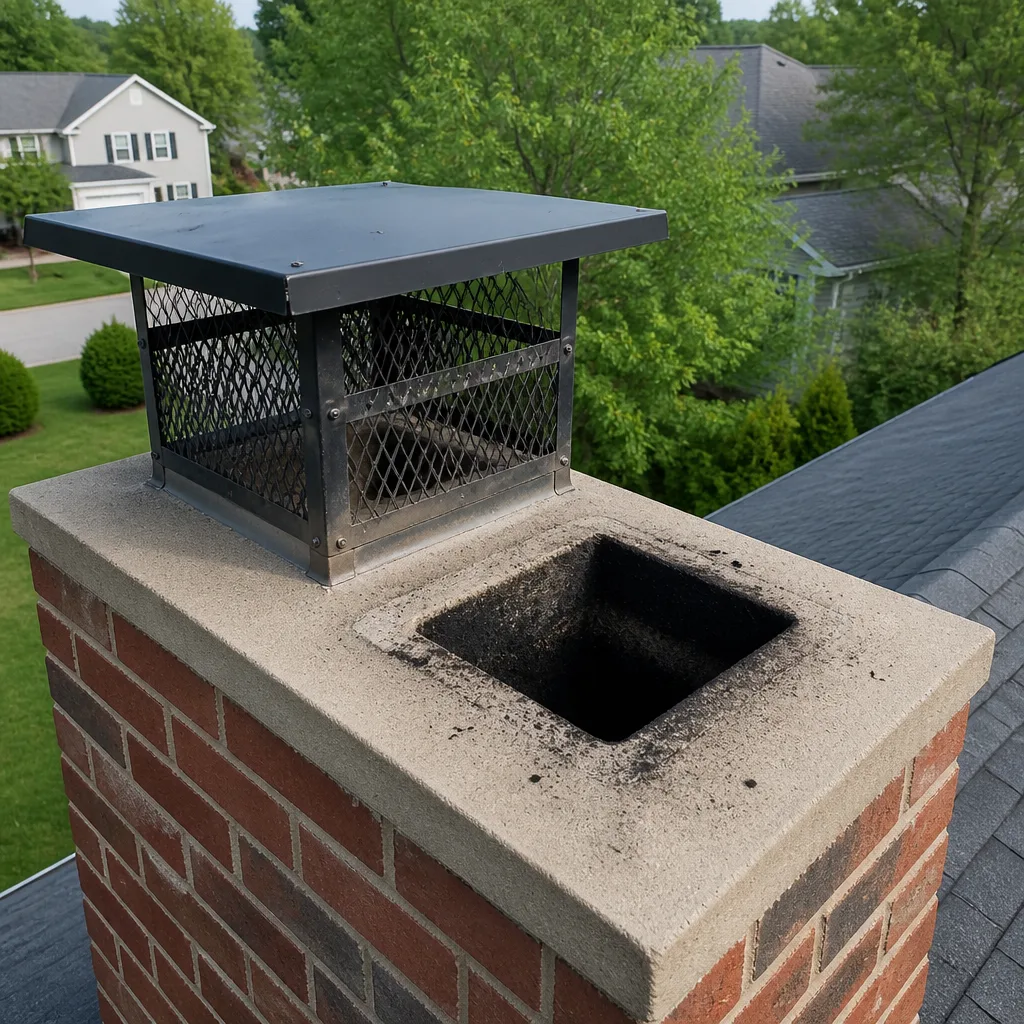 Sweep & inspection
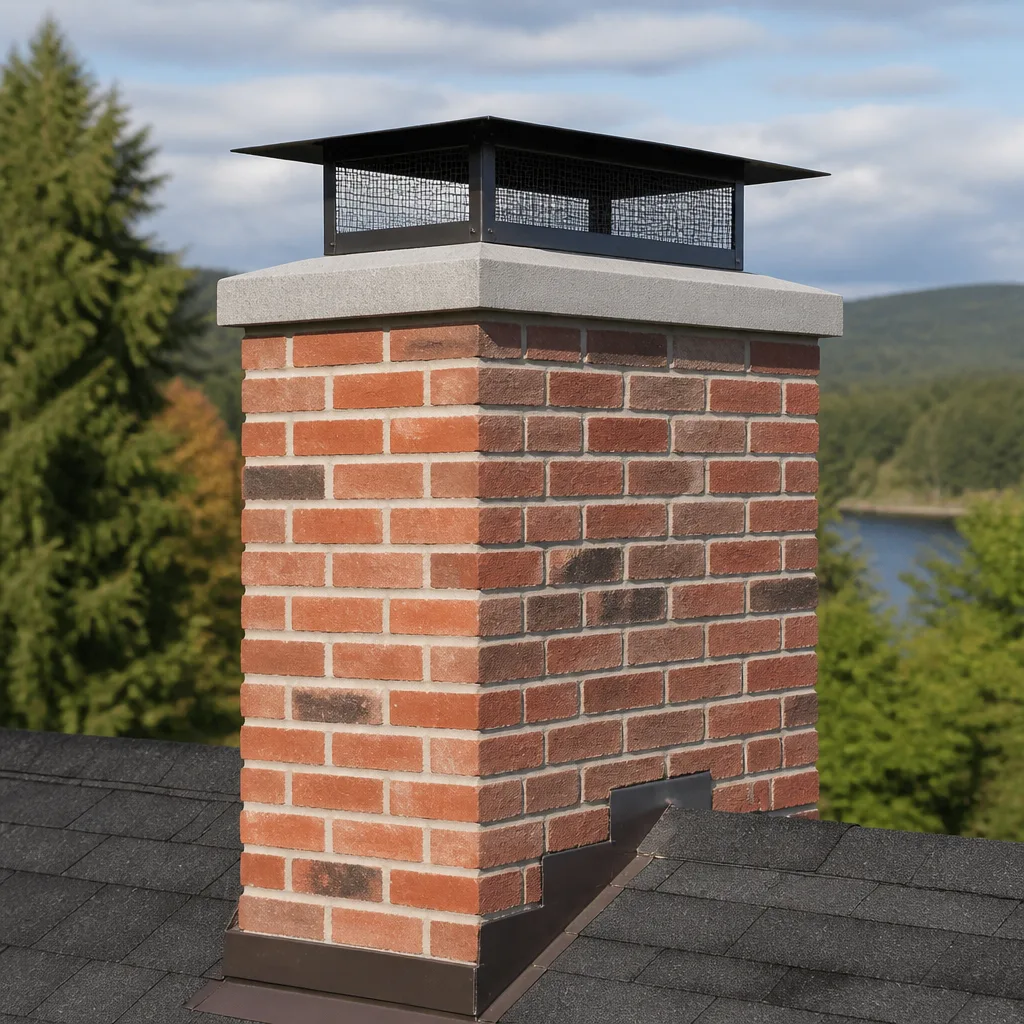 Caps & crowns
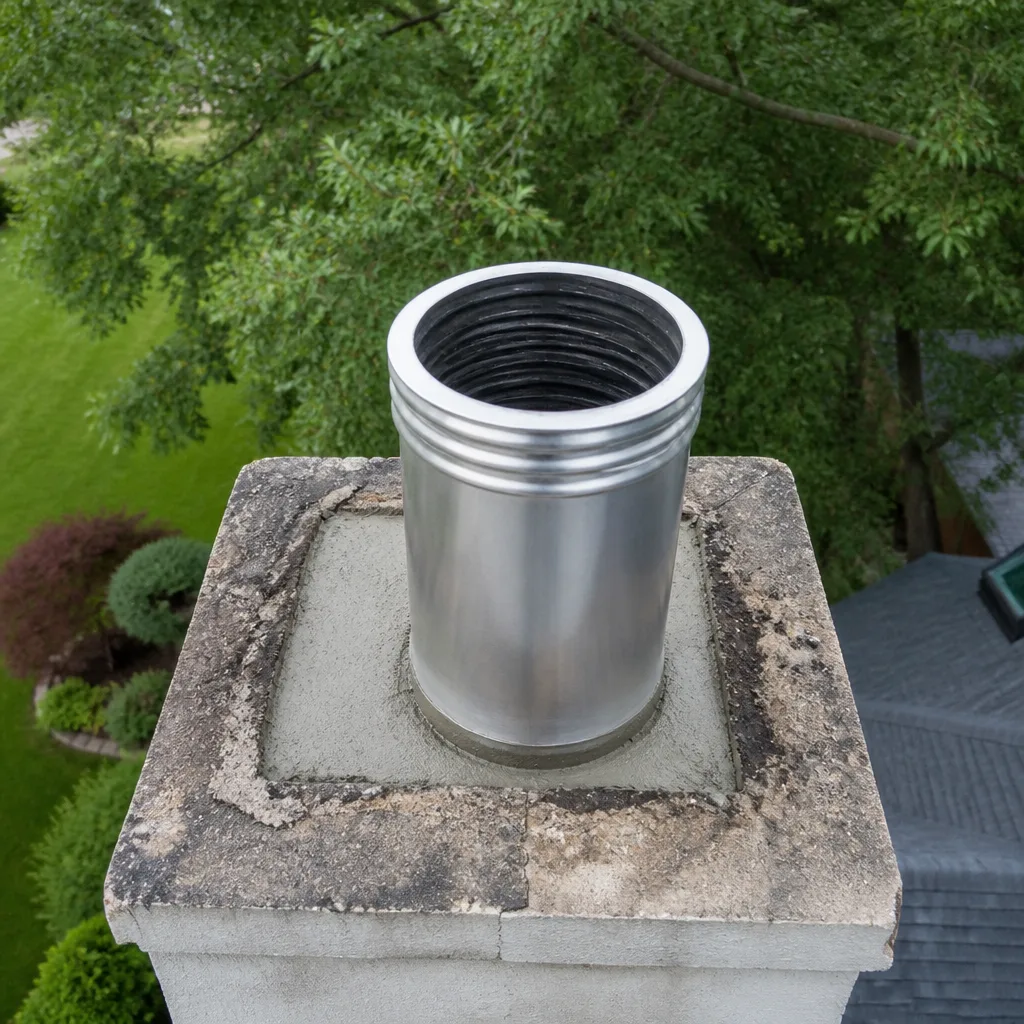 Flue relining
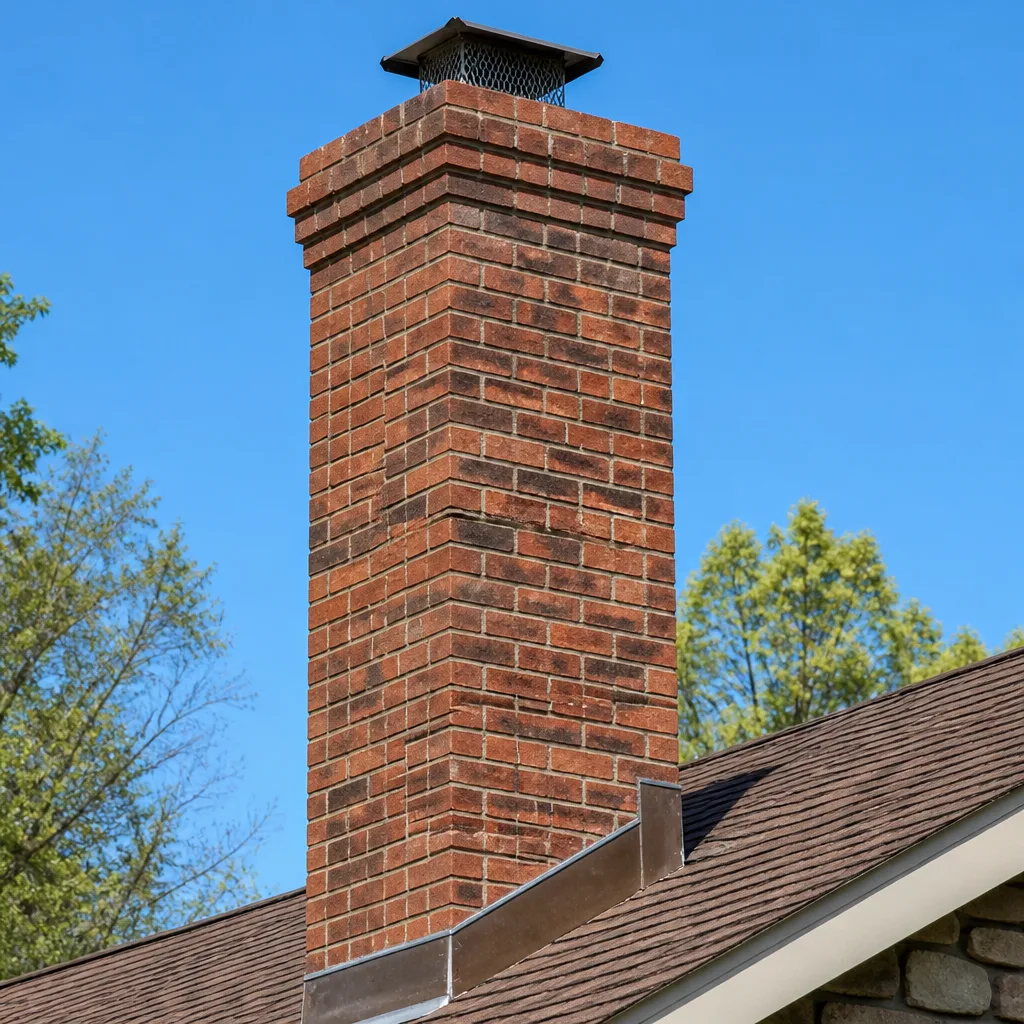 Masonry repair
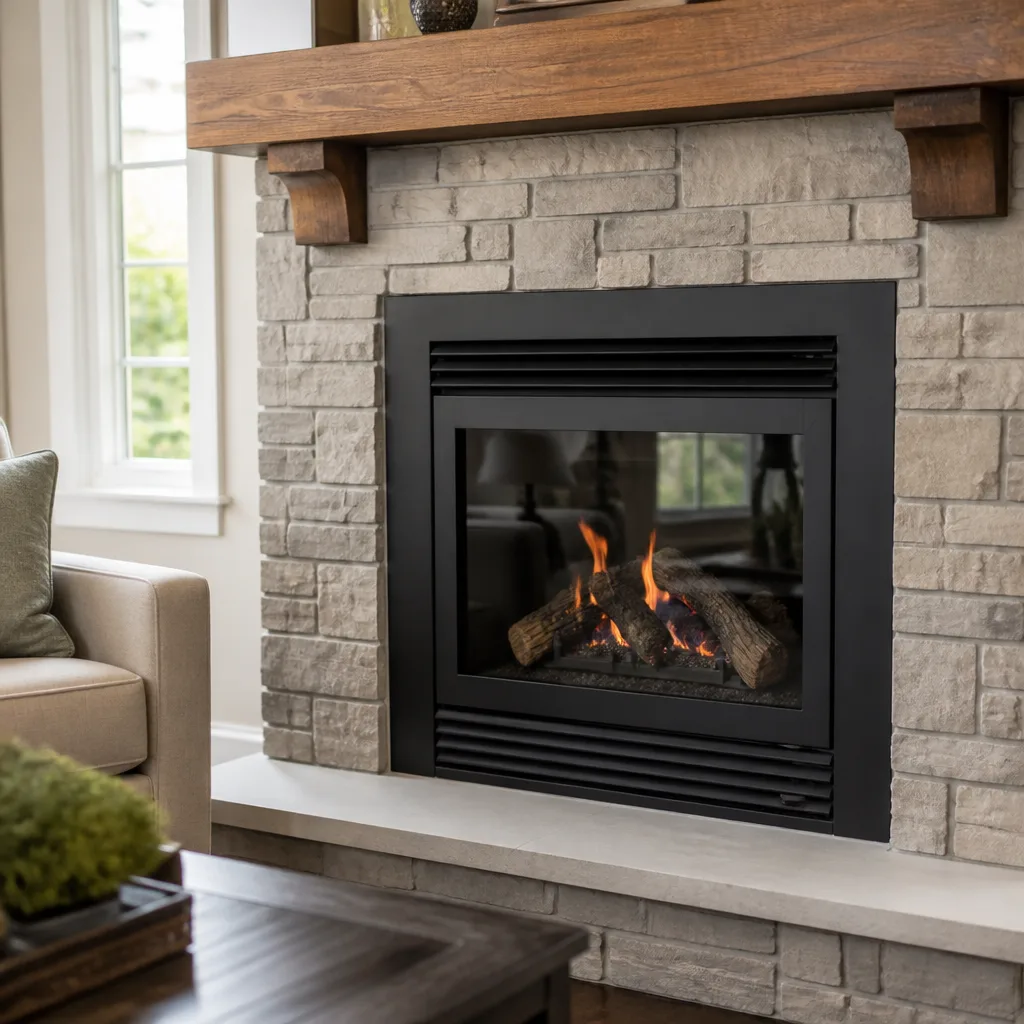 Gas fireplace service
Level 1 sweep and inspection to the NFPA 211 annual standard - flue, crown, cap, and flashing checked and photographed
Chimney sweep logs do not sweep chimneys. They loosen some creosote - which then falls where a brush and vacuum still have to collect it.
Choosing the Right Chimney Cleaning Brand: A Buyer’s Guide for Marysville
Most homeowners never think about chimney products until the day a technician hands them a work order with a brand name on it. There are only a handful of product brands that certified chimney professionals consistently specify for liner repair and crown restoration work, and knowing which ones matter is the difference between a repair that lasts and one that fails in a few seasons. If a contractor can’t name the product they’re installing in your Marysville home, that’s a gap worth asking about before work begins. This guide walks you through the brand landscape for liners, sealants, crowns, caps, and inspection cameras, so you can ask informed questions instead of accepting vague assurances.
Quick Answer
The chimney products worth asking about in Marysville are the ones spec’d by professional-trade suppliers: HeatShield and ThermoKrete for liner sealing, CrownCoat for crown restoration, Gelco, Dura-Vent, and Olympia Chimney for caps, Rutland and Anti-Creo-Soot for creosote treatment, and DuraFlex for flexible relining. When a contractor can name the product going into your flue and explain why it fits your specific defect, you’re dealing with a chimney specialist. When they can’t, you’re dealing with someone guessing.
Styles & brands we work with
- Sweep & inspection
- Caps & crowns
- Flue relining
- Masonry repair
- Gas fireplace service
Table of Contents
- Why Chimney Product Brands Matter to Marysville Homeowners
- Liner Repair Products: HeatShield vs. ThermoKrete
- Crown and Cap Products for Western Washington Weather
- Chimney Caps: Gelco, Dura-Vent, and Olympia Chimney Supply
- Creosote Removers: Rutland vs. Anti-Creo-Soot
- Video Inspection Cameras: Professional vs. Consumer Grade
- Questions Every Marysville Homeowner Should Ask
- When to Call a Professional
Why Chimney Product Brands Matter to Marysville Homeowners
A chimney sweep who only carries a brush and a shop vac has no stake in what material goes into your flue after the sweep. But the moment the conversation shifts from cleaning to repair – and it usually does, eventually – brand knowledge becomes the whole game. Marysville sits in a climate that tests chimney materials hard. Fall rains arrive early, winter brings repeated freeze-thaw cycles, and spring stays damp well into May. Crowns crack. Caps corrode. Mortar joints soften. When those failures get patched with whatever was on hand, they come back in two or three seasons.
Professional-trade brands exist for a reason. They’re tested against the specific failure modes that a certified inspector sees on a regular basis: hairline cracks in clay tiles, spalling flue walls, elastomeric crowns that need to flex and seal. A supply-house substitute may look the same on the shelf, but it wasn’t engineered for the same service life. In our experience, the biggest gap between a specialist and a generalist isn’t tools, it’s which products they choose by default.
There’s a second reason brands matter. Chimney repairs are rarely one-and-done. A crown repair today may reveal a soft joint tomorrow, or a cap that needs replacing after a windstorm. When we work with suppliers like Olympia Chimney and Copperfield, uncommon components and custom-fit caps are within reach rather than a reason to delay the job. That matters in Marysville, where older housing stock means flue configurations are often non-standard.
The four pillars of a chimney system – flue liner, crown, cap, and firebox – are handled together as a system, not separate tickets. You can see what a sweep actually looks like on our chimney sweep page. The point for this guide is narrower: know the products before you sign the estimate.
Liner Repair Products: HeatShield vs. ThermoKrete
HeatShield Cerfractory Flue Sealant and ThermoKrete are both designed to repair damaged liners from the inside without a full reline, but they aren’t interchangeable. HeatShield is a ceramic-cement compound applied by a trained technician using a custom-fitted foam applicator, and it fills and seals cracks, gaps, and misaligned joints in the liner walls. ThermoKrete is a spray-applied refractory coating, best suited to liners that are structurally sound but need thermal protection and a smooth interior. Choosing between them depends on the defect profile the camera shows.
When HeatShield is the right choice
- Hairline cracks in clay tile that haven’t yet separated
- Gaps at the joints between tile sections
- Small spalled areas where the tile surface has flaked
- Liner walls that are still holding structure but no longer gas-tight
- Flues that need a code-compliant smooth interior without a full reline
When ThermoKrete makes more sense
- A liner that’s already smooth and intact but needs thermal insulation
- Applications where the coating will be specified as a barrier rather than a structural repair
- Refractory surfaces that benefit from a spray application rather than a troweled-in-place method
HeatShield application requires product-specific training and a custom applicator sized to your exact flue dimensions. That’s why not every chimney sweep offers it – the equipment and training aren’t cheap, and a company that hasn’t made that investment can’t fake it. If a contractor tells you they can “seal” a cracked liner without explaining which method and which product they’ll use, ask directly. HeatShield resurfacing can extend the life of a damaged liner without a full reline, and understanding when it applies is the difference between a repair measured in thousands and one measured in hundreds.
For reference, when a liner is too far gone for either method, a flexible reline using a DuraFlex system is often the next step. DuraFlex is a specification-grade product that handles offset and irregular flue configurations common in older Marysville homes. You can read more about structural liner work on our chimney repair page.
Crown and Cap Products for Western Washington Weather
The chimney crown is the concrete or mortar slab that sheds water off the top of the chimney. When it cracks, water gets into the chimney structure and starts a slow chain of damage: freeze-thaw spalling in winter, soft mortar joints in spring, rusted damper assemblies in summer. In Marysville’s climate, the crown is the single most failure-prone component of the whole system, and it’s the component most often repaired with the wrong material.
Standard hydraulic cement is the traditional crown material. It’s strong, it’s rated for exterior use, and it’s what most chimneys were originally built with. But it’s also rigid: it doesn’t flex when the chimney expands and contracts through freeze-thaw cycles, so a cement crown that isn’t perfectly sloped and sealed will crack along the same lines it always did. That’s why specification-grade repair often uses an elastomeric sealer instead.
CrownCoat is a flexible elastomeric coating that bonds to the existing crown, bridges cracks, and moves with the chimney rather than fighting it. It’s designed as a repair and protectant, not a replacement for a structurally failed crown – if the crown itself is crumbling, it needs rebuilding first. But for crowns that are solid with surface cracking or minor spalling, CrownCoat adds years of service life in a climate where the crown takes the worst of every winter. We specify it because Western Washington’s wet, freeze-thaw-heavy pattern is exactly what it was engineered for. A rigid cement patch may look fine in August and be cracked open by February.
How to tell whether you need a crown repair or a crown rebuild
- Inspect the crown surface: hairline and surface cracks are usually repairable, deep structural cracks are not.
- Check the slope: a crown that ponds water is already failing, no matter how good the surface looks.
- Look for spalling and loose material: crumbling concrete means the crown needs rebuilding before any sealer goes on.
- Check the flue-to-crown joint: a gap here is common and often repairable with the right sealant.
- Confirm the crown isn’t holding water against the flue tile, which accelerates freeze-thaw damage.
Understanding how the crown fits into the full system matters, and it’s covered in more detail on our fireplace repair page when the firebox side is also in play.
Chimney Caps: Gelco, Dura-Vent, and Olympia Chimney Supply
Three cap brands come up routinely in a chimney specialist’s world: Gelco, Dura-Vent, and Olympia Chimney Supply. All three make chimney caps, but the differences in construction matter more in Marysville than in a dry climate, because our winters are wet and our summers are damp. A cap that rusts through in a few seasons does more harm than good – it lets water in and blocks the inspection view.
Stainless vs. galvanized construction
Stainless steel is the specification-grade choice for Western Washington. It resists corrosion from rain, chimney exhaust, and the acidic byproducts of combustion. Galvanized steel is cheaper upfront but corrodes far faster here, especially on the underside where moisture lingers. A galvanized cap that’s been on the chimney for a handful of seasons usually shows rust staining and pinholes – and by then it’s already failing at its job.
Gelco is a professional-trade cap brand known for stainless and powder-coated stainless fabrication with a range of bracket and screen options. Olympia Chimney Supply is a full-line supplier that extends beyond caps to liners, dampers, and accessories, which is why we use them – uncommon sizes and custom-fit configurations are within reach rather than a reason to delay. Dura-Vent is best known in the trade for its venting systems, and their cap line covers the standard configurations most Marysville chimneys need.
What to look for in a chimney cap
- Stainless construction, ideally with a lifetime-rated screen mesh
- Correct sizing for the flue tile, not a “close enough” fit from a hardware store
- Proper standoff so the cap doesn’t sit tight against the crown and trap moisture
- Removable screen for cleaning and inspection access
- Secure mounting that won’t lift in wind
The cap is one of the cheapest components to get right and one of the most expensive to get wrong. Improperly sized or poorly mounted caps let water in, block airflow, and hide problems during inspection. A good cap is doing quiet work year after year, and you’ll never think about it again.
Creosote Removers: Rutland vs. Anti-Creo-Soot
Creosote is the tar-like residue that builds up on flue walls as wood smoke cools. It comes in three stages, from light soot to glazed, tar-like deposits that are the hardest to remove and the most flammable. Chemical creosote removers are designed to convert stage-two and stage-three creosote into a form that brushes off more easily. They are not a substitute for a sweep. They’re a supporting tool between sweeps, and a good technician will tell you that plainly.
Rutland Liquid Creosote Remover
Rutland’s liquid formula is applied directly to the fire, usually in a measured dose per fire over a series of burns. It works by reacting with the creosote deposits in the flue and loosening them, so the next sweep removes more than it would have without treatment. It’s widely used in the trade because it’s simple to apply, works with normal burning routines, and is easy to explain to homeowners.
Anti-Creo-Soot (ACS)
ACS is a powder formula, typically applied to a hot fire, that produces a vapor which travels up the flue and reacts with creosote deposits. It’s often specified for heavier buildup or when the burn pattern has been long and slow. The application method is different from a liquid, and some homeowners find the powder easier to work into their routine.
What these products can’t do
- They cannot replace a mechanical sweep – the deposits still need to be brushed off.
- They cannot fix a cracked flue tile, a failed crown, or a liner that’s no longer gas-tight.
- They cannot clear a completely blocked flue – that requires a physical sweep.
- They cannot substitute for proper burn habits, which are the single biggest factor in creosote buildup.
In our experience, homeowners in Marysville ask about creosote removers most in late winter, after a long stretch of burning. Used well, they extend the interval between full sweeps and keep deposits from hardening into glazed stage-three. Used as a substitute for a sweep, they’re a delay tactic that can let a real hazard build up. If a technician tells you that a chemical treatment is enough without a mechanical sweep, that’s a red flag.
Video Inspection Cameras: Professional vs. Consumer Grade
Every chimney inspection at the level that matters – the level where real defects get found – involves a camera run up the flue. The brand of camera matters less than what it can actually see. Consumer-grade cameras (including the kind a hardware store sells for a few hundred dollars) miss hairline cracks in clay tile that a professional-grade camera picks up clearly. That difference is exactly where liner failures hide.
The professional brands that show up on a serious inspection report include Wohler, Schonsteinfeger, and RIDGID. These are inspection-grade systems designed for the lighting, resolution, and maneuverability a chimney flue requires. In practice, the difference comes down to a few things:
- Camera head diameter small enough to navigate an offset flue without scratching the liner
- Resolution capable of identifying a hairline crack rather than a blur that could be almost anything
- Adjustable lighting that doesn’t wash out the entire image at close range
- Recording that lets you see the footage for yourself, not just the technician’s summary
- Rigid rod construction strong enough to push through a full flue run
If a technician runs a phone camera up the flue or hands you an inspection report with no photos, ask for the footage. A professional-grade camera inspection should produce a visual record you can review, and it should be specific enough that a defect is obvious. That’s how you avoid being told you need a repair you can’t verify – the evidence is right in front of you.
The full inspection process is part of what our Chimney Sweep Marysville page covers. But the core rule is simple: nothing gets recommended without a camera image that shows it clearly.
Questions Every Marysville Homeowner Should Ask
Armed with the brand landscape, you’re in a position to ask better questions than the average homeowner. Here’s a short list that will tell you quickly whether you’re dealing with a specialist or a generalist.
- Which product are you planning to use for this repair, and why that one? A specialist will name a brand and explain the fit. A generalist will give a general answer.
- Can I see the camera footage of the defect? A professional inspection should produce a record you can review.
- Is my liner a candidate for HeatShield resurfacing, or does it need a full reline? If they don’t know what HeatShield is, they don’t do liner restoration.
- What is the crown material, and how will it handle freeze-thaw? This is the single most consequential question in Marysville.
- What brand and metal is the cap you’re recommending? Stainless matters here; galvanized corrodes fast.
- Is the fix urgent, or can it wait? A good technician will tell you plainly when work can safely wait a season.
- Will the person who inspects be the person who does the repair? Single-point accountability is the difference between one visit and three.
None of these questions is unfair to a contractor. All of them reward a real specialist.
Common Mistakes to Avoid
- Accepting a repair without knowing the product. If the estimate says “seal the liner” and nothing more, ask which brand and which method. “Seal” can mean three different repairs.
- Assuming galvanized caps are fine because they look the same. They look identical on day one. In Western Washington’s wet climate, stainless is the spec that survives.
- Treating a chemical creosote remover as a substitute for a sweep. Removers loosen deposits; they don’t remove them. A physical sweep follows every time.
- Letting a crown crack get patched with hydraulic cement and called done. Rigid cement doesn’t move with the chimney. An elastomeric repair is the durable fix for a crown that’s still structural.
- Trusting a phone-camera inspection. Consumer cameras miss hairline cracks. Ask for professional-grade footage you can review.
- Hiring a generalist who “also does chimneys.” A handyman can run a brush; a specialist knows liner products, crown materials, and cap metallurgy.
- Skipping the annual sweep when the weather turns. In Marysville, fall is the right time to book before burning season starts, not after the first cold snap.
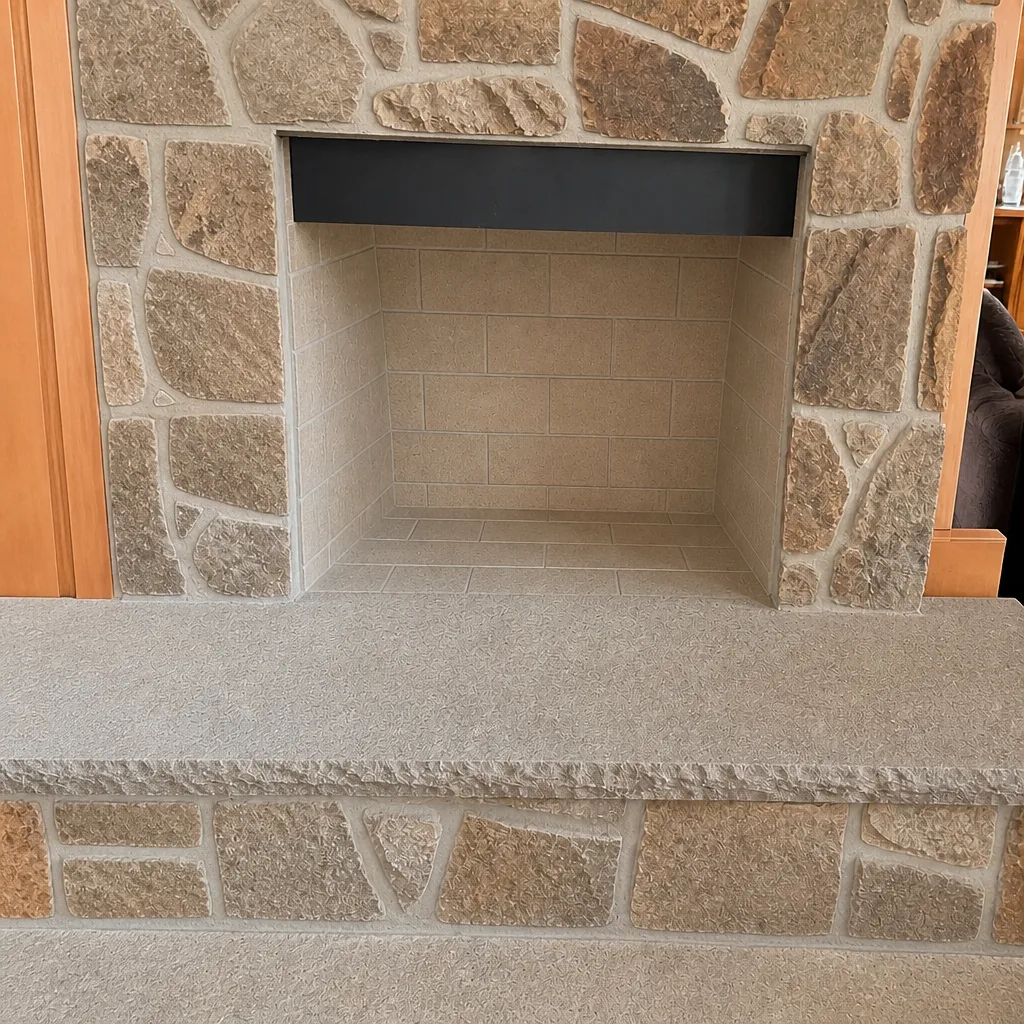
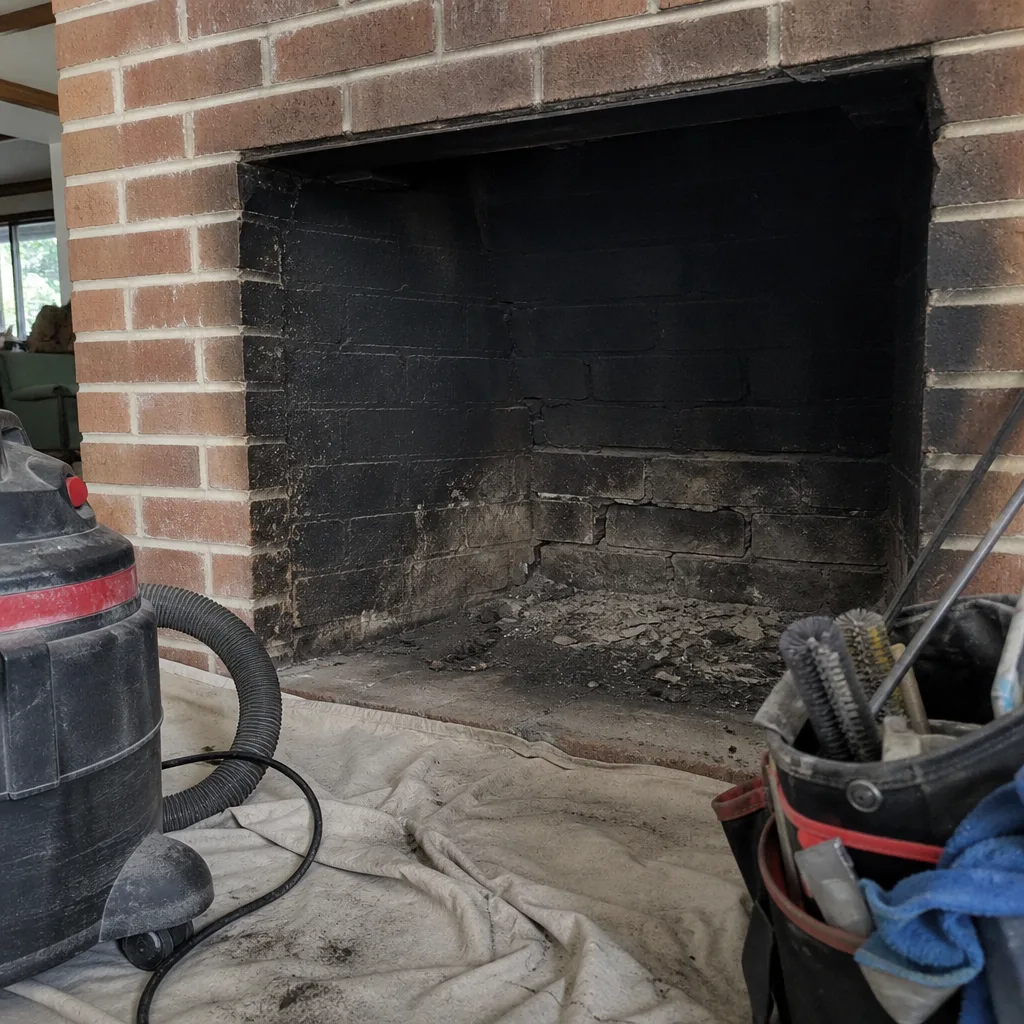
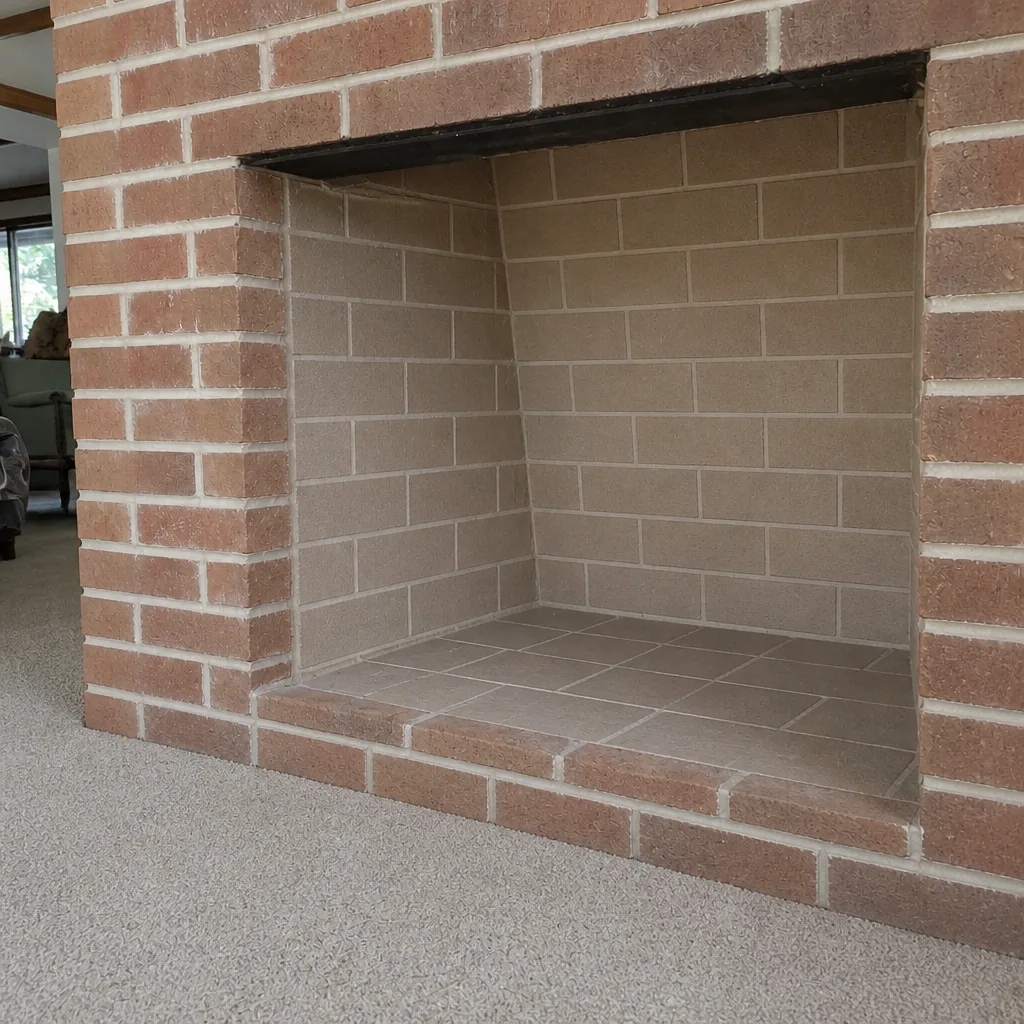
See the difference
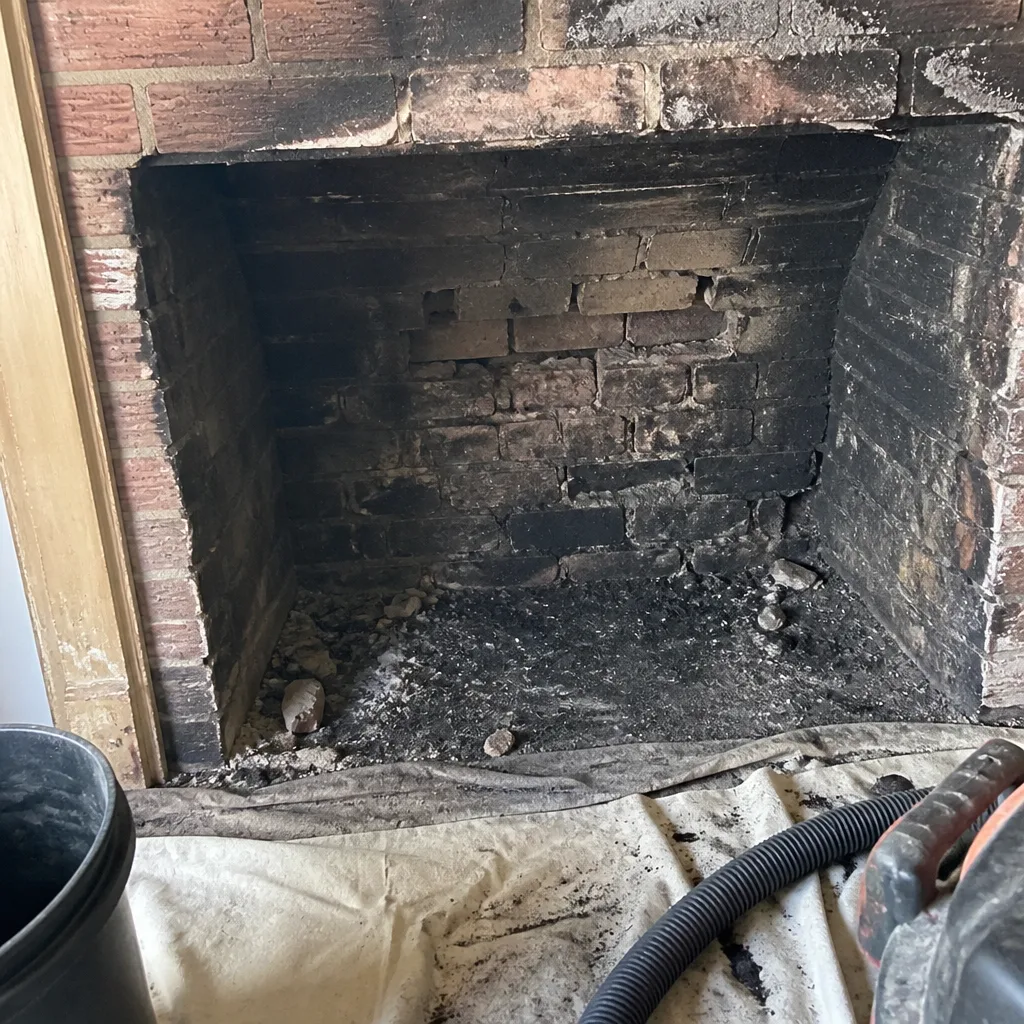 Before
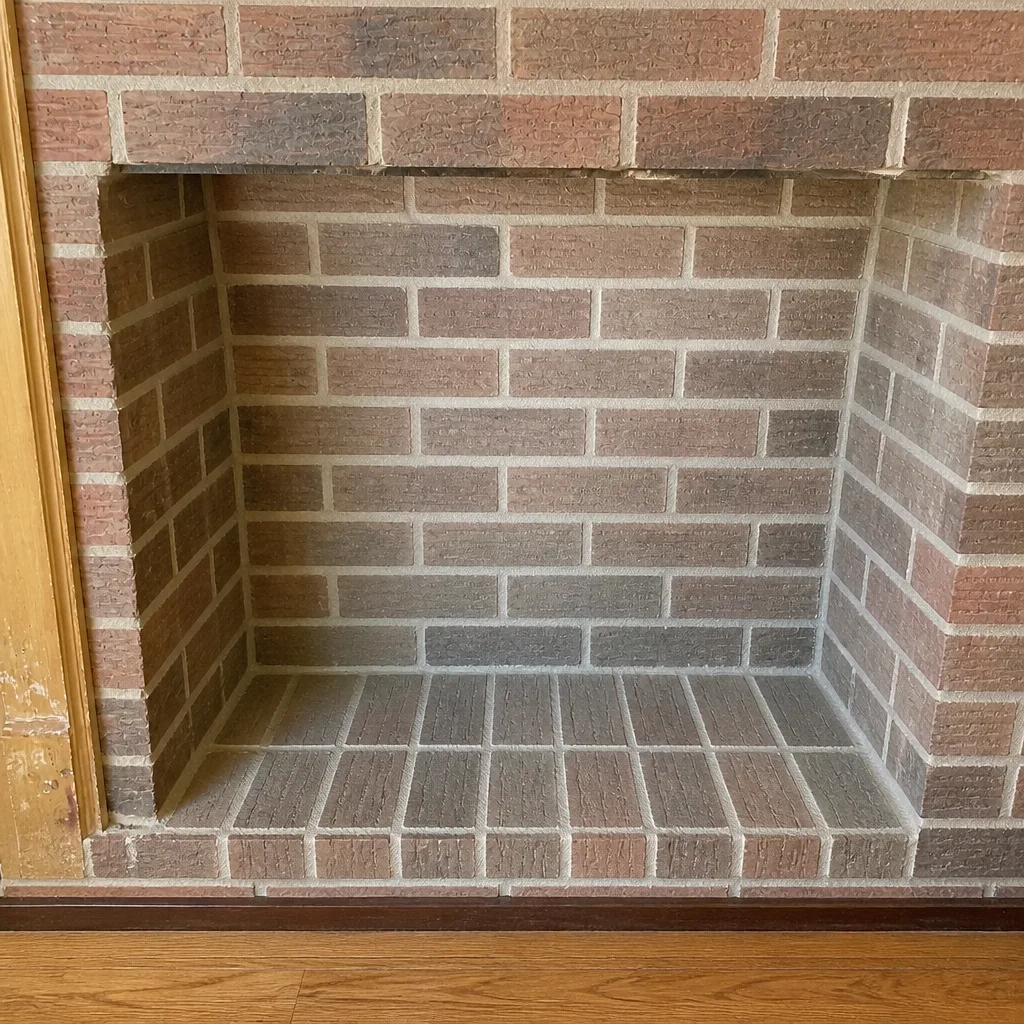 After
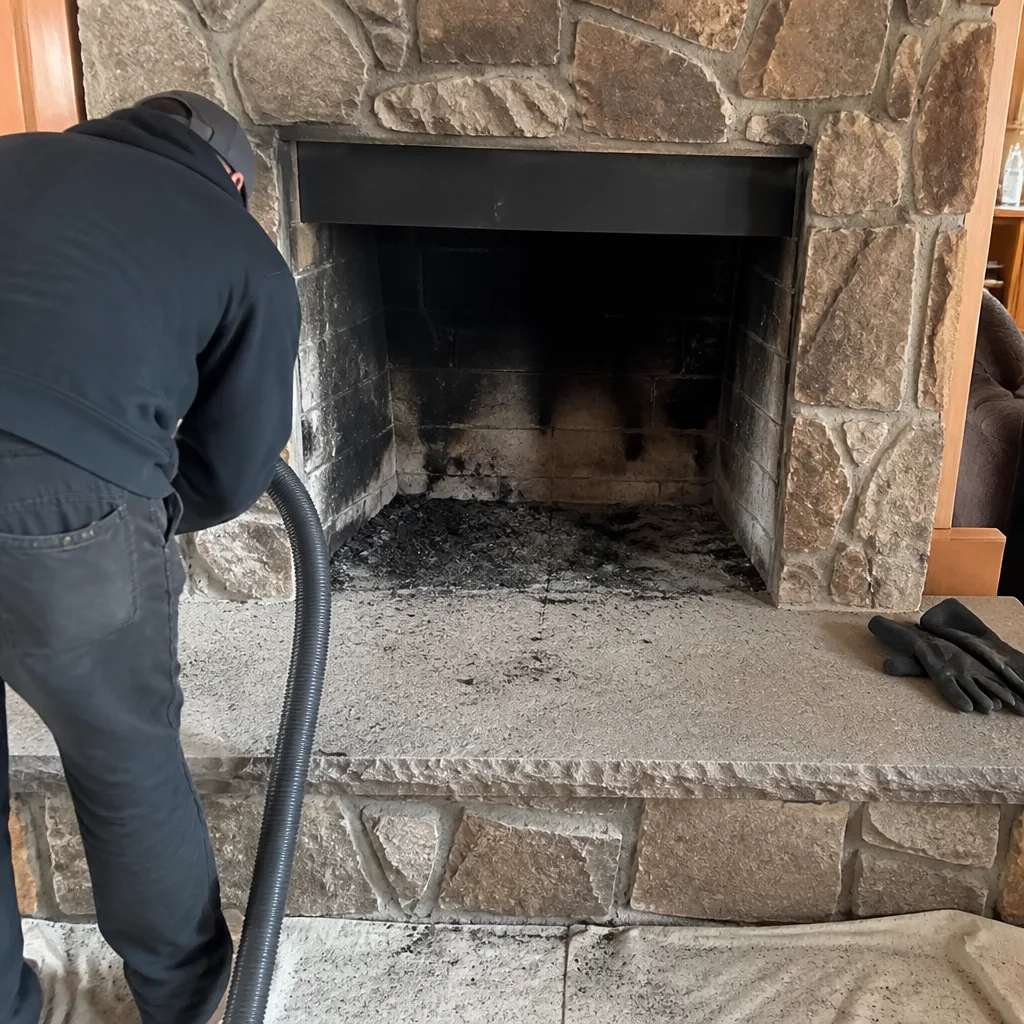 Before
 After
 Before
 After
When to Call a Professional
Not every chimney issue needs a call today. But some do, and the line is clearer than most homeowners assume. Call a professional when you see rusted metal in the firebox, when the damper won’t close or open smoothly, when you notice water staining on the ceiling near the chimney, when you smell smoke inside the house during a burn, or when the cap is visibly damaged or missing. Call when the chimney hasn’t been swept in a full season and you burn regularly. Call when the crown shows visible cracks. Call when a home inspector flagged anything on the flue.
Cracks in the liner, corroded caps, water intrusion at the crown, and unusual smoke patterns all warrant a professional look. High-tension components of the chimney system – structural liner work, gas appliance connections, and anything involving the chase or chimney exterior at height – should only be handled by a trained technician. Don’t attempt those repairs yourself.
Chimney Sweep Marysville offers free estimates in Marysville – call (877) 792-7047. We answer 24/7. Fast dispatch from 7am to 7pm, Sunday through Friday.
Frequently Asked Questions
They matter because different products are engineered for different failure modes. A HeatShield resurfacing job and a ThermoKrete coating job solve different problems, and using one where the other belongs produces a repair that looks finished but doesn’t hold. Same rule for CrownCoat versus standard hydraulic cement, or stainless versus galvanized caps. When a technician can name the product and explain the fit, you’re getting a considered repair rather than a generic one.
HeatShield is a ceramic-cement flue sealant applied by a trained technician to repair cracked or misaligned clay liners from the inside, without a full reline. It’s available in Marysville through specialists who’ve invested in the product-specific training and applicator tooling the process requires. If a chimney company can’t explain which liner defect profile HeatShield is appropriate for, they don’t do HeatShield work.
Stainless steel resists corrosion from rain, chimney exhaust, and combustion byproducts far better than galvanized in Western Washington’s wet climate. Galvanized caps corrode faster here, especially on the underside where moisture lingers, and a rusted-through cap lets water in while hiding the problem from inspection. Gelco, Dura-Vent, and Olympia Chimney all make stainless caps sized to the flue tile, which is what we specify.
No. Chemical creosote removers like Rutland Liquid Creosote Remover and Anti-Creo-Soot are supporting tools between sweeps – they loosen deposits so the next brush removes more. They cannot replace a mechanical sweep, and they can’t fix a cracked tile, a failed crown, or a damaged liner. If a contractor tells you a chemical treatment is a substitute for a sweep, that’s a red flag.
A professional-grade inspection system from brands like Wohler, Schonsteinfeger, or RIDGID, with the resolution and lighting to identify hairline cracks in clay tile. Consumer cameras – including phone cameras and hardware-store borescopes – miss exactly the defects that matter. A real inspection produces footage you can review yourself, and any recommended repair should be visible in that footage.
Yes. Call (877) 792-7047 for a free estimate. We answer 24/7, with fast dispatch from 7am to 7pm, Sunday through Friday. The written estimate sets the price per job, so there’s no surprise on the invoice, and you’ll see the camera evidence behind every recommendation before work begins.
The Bottom Line
The chimney brand landscape isn’t complicated once you know it: HeatShield and ThermoKrete for liners, CrownCoat for crowns, Gelco, Dura-Vent, and Olympia Chimney for caps, Rutland and Anti-Creo-Soot for creosote, DuraFlex for flexible relining, and professional-grade cameras from Wohler, Schonsteinfeger, and RIDGID for the inspection that drives everything. The point of learning these names isn’t to shop products yourself – it’s to hold a contractor to a standard. A specialist can explain which product fits your specific flue defect and why. A generalist can’t. In Marysville, where the freeze-thaw cycle tests every crown and every cap, that difference shows up in how long a repair lasts.
None of this means every chimney needs work done. A good technician will tell you plainly when a repair can wait. But when a repair is needed, the brand behind it tells you a lot about the company doing it. Our technicians have up to 10 years of experience with the specification-grade materials we specify – DuraFlex, HeatShield, Gelco, Olympia Chimney, Famco, and Copperfield – because our credibility rests on the product names as much as the work.
Call (877) 792-7047 for a free estimate. We answer 24/7. Fast dispatch from 7am to 7pm, Sunday through Friday. Whether you’re booking a routine sweep, a crown repair, or a liner restoration, the same standard applies: the technician who inspects is the same specialist who performs the repair, and nothing gets recommended without camera evidence you can see for yourself.
Written by the team at Chimney Sweep Marysville.